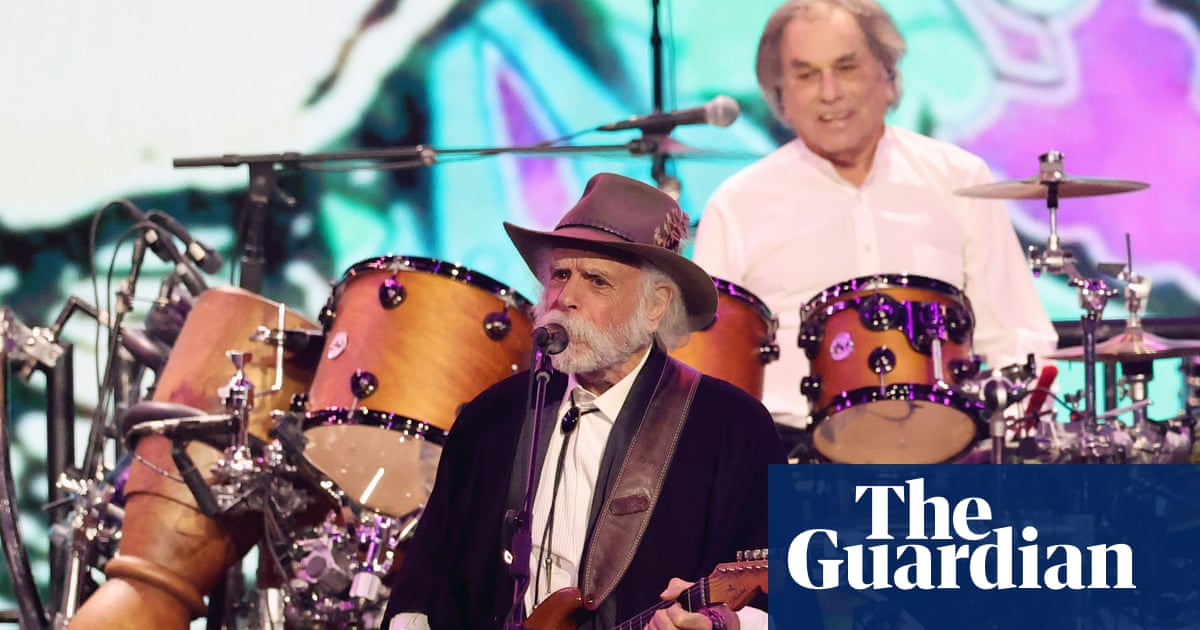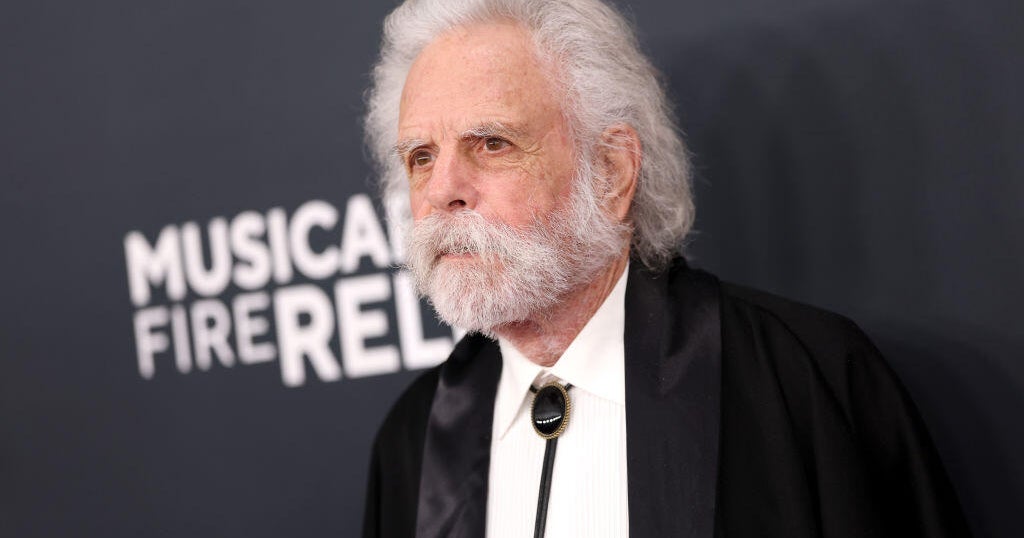
Bob Weir, founding guitarist, singer, and songwriter of the Grateful Dead, has died at 78 after a battle with cancer and underlying lung issues, according to statements from his family. Coverage notes that he co-founded the band in the mid-1960s San Francisco scene with Jerry Garcia after they met in 1963, becoming an essential architect of the group’s sound through his rhythm guitar work, genre-blending songwriting, and lead vocals on numerous classics; his death leaves Bill Kreutzmann as the only surviving original member of the band.
Liberal-leaning outlets emphasize agreed context that Weir and the Grateful Dead helped define the psychedelic rock era, reshaped American music over six decades, and cultivated a unique touring culture and fan community. Across this coverage, he is portrayed as a central figure in a broader countercultural movement whose influence extended far beyond record sales into live improvisation, jam-band culture, and a lasting, multi-generational musical legacy through projects like Dead & Company and ongoing tribute performances.
Areas of disagreement
Cultural framing. Liberal-aligned coverage portrays Weir as a pillar of 1960s counterculture and a progressive folk hero whose music embodied experimentation, community, and resistance to mainstream norms, while conservative outlets (where they appear) tend to frame him more cautiously as an important but niche rock figure emerging from a turbulent era. Liberal sources celebrate the “last actual hippie” image and lean into themes of social liberation and communal values, whereas conservative sources are more likely to bracket that ethos as historically specific and separate it from contemporary politics. Where liberals connect his legacy to ongoing progressive cultural currents, conservatives tend to situate him within a classic-rock pantheon without endorsing the broader countercultural agenda.
Legacy and social impact. Liberal reporting stresses Weir’s role in building inclusive, improvisational spaces that fostered noncommercial artistic expression and tight-knit fan communities, sometimes linking this to modern ideas of community organizing and alternative economies. Conservative coverage, when it addresses impact, is more inclined to emphasize his technical musicianship, touring innovation, and influence on the music business rather than his contribution to social change. Thus liberals cast his legacy as both musical and socio-political, while conservatives tend to treat the social aspects as colorful background rather than a core part of his enduring importance.
Personal narrative and values. Liberal-leaning outlets highlight his generosity, collaborative spirit, and endurance after the deaths of bandmates as emblematic of a humane, communal ethos tied to the hippie movement. Conservative sources are likelier to frame his story through a lens of individual perseverance, professionalism, and work ethic, downplaying overt ideological readings of his lifestyle or the Deadhead scene. In this way, liberals see his personal arc as an expression of collective values, while conservatives interpret it more as an example of personal success within the arts.
In summary, liberal coverage tends to present Bob Weir as a transformative cultural and countercultural icon whose music and community-building advanced broader progressive values, while conservative coverage tends to situate him as a significant but more narrowly musical figure, emphasizing artistry and historical interest over ongoing ideological relevance.
Story coverage