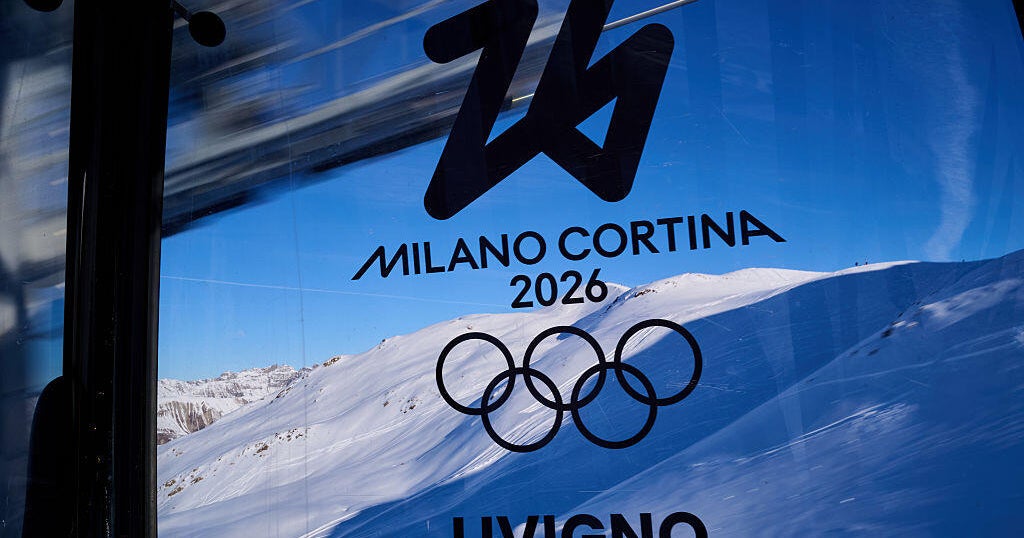
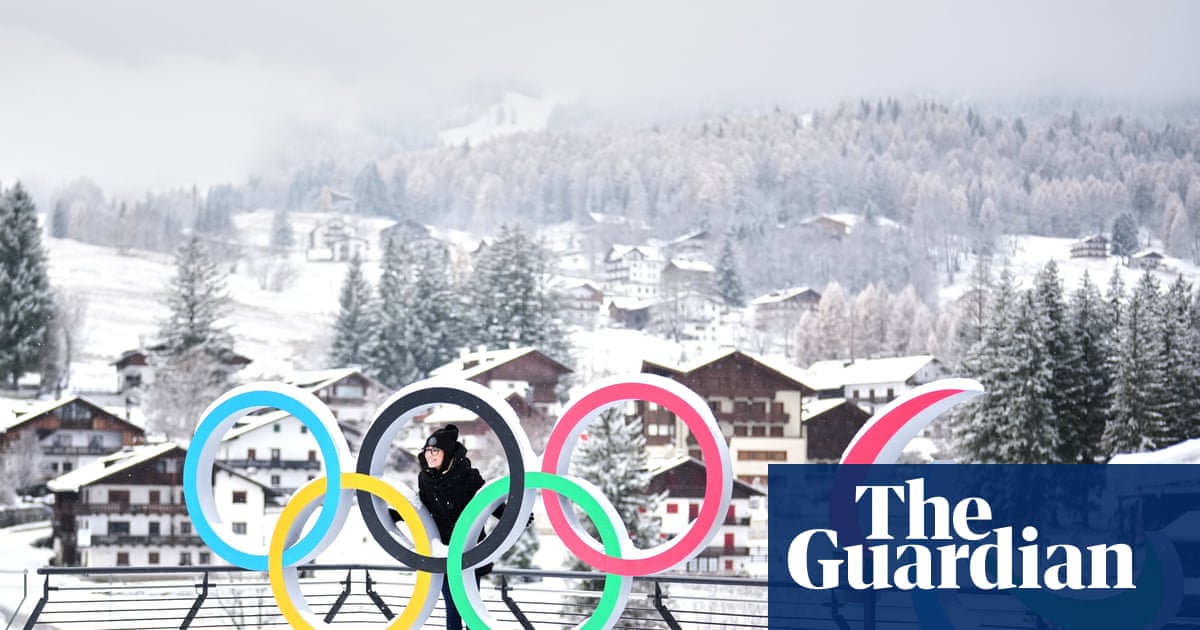
A 55-year-old security guard died during an overnight shift at or near a construction site linked to preparations for the 2026 Winter Olympics in Cortina d’Ampezzo, Italy, in early January, when temperatures reportedly fell to around -12°C (10.4°F). Liberal-aligned outlets agree that the death occurred in sub-freezing conditions while the man was on duty, that the shift was overnight and exposed to extreme cold, and that Italy’s infrastructure minister has publicly called for a full investigation into the circumstances, including employer responsibility and adherence to safety rules. These reports also note that the site in question is associated with Olympic-related building activity, though they emphasize that it was not directly managed by the state-controlled company charged with official Olympic infrastructure projects. Across the shared factual coverage, the key uncontested elements are the worker’s role as a guard, the freezing weather conditions, the location in Cortina connected to the upcoming Winter Games, and the initiation of a formal governmental inquiry.
Liberal coverage further agrees on a broader context of concern over worker safety in major international sporting-event construction projects, pointing to Italy’s infrastructure ministry and other public institutions as responsible for clarifying chains of accountability and regulatory oversight. These outlets situate the death within a wider pattern of scrutiny over labor standards, emergency preparedness, and cold-weather protections for outdoor and overnight workers, especially at sites rushed to meet Olympic deadlines. They also underscore longstanding debates in Italy about the safety culture in construction and security contracting, including subcontracting arrangements that may dilute accountability between the state, main contractors, and private site operators. All sides of mainstream reporting, where available, acknowledge that the official investigation is at an early stage and that authorities have not yet released definitive findings on medical cause of death, potential negligence, or specific regulatory breaches, while recognizing the incident as a serious test of both Italy’s labor protections and the governance of Olympic infrastructure projects.
Areas of disagreement
Framing of the tragedy. Liberal-aligned sources portray the guard’s death primarily as a workplace safety failure linked to systemic issues in how Olympic-related construction and security work is organized, emphasizing the extreme cold, long overnight shift, and possible lack of protective measures. In the absence of explicit conservative reporting, one would expect right-leaning outlets to frame the story more as an isolated tragic incident, stressing individual circumstances or health factors and cautioning against prematurely tying the case to wider structural critiques of the Olympics or national labor policy.
Responsibility and blame. Liberal coverage highlights questions about employer responsibility, subcontracting chains, and government oversight, pressing the infrastructure ministry and Olympic organizers to explain who set working conditions and how safety rules were enforced. By contrast, a typical conservative narrative would likely focus on the fact that the site was not managed by the main state infrastructure company, using this distinction to narrow institutional blame and to argue against broad indictments of the overall Olympic project or government policy.
Policy implications and reforms. Liberal outlets tend to leverage the incident to call for tighter labor protections, stronger enforcement in extreme-weather work, and more transparency around private security and construction contracts tied to mega-events. Conservative sources, if following common patterns, would be more inclined to resist sweeping regulatory responses, warning that new mandates or heightened scrutiny could slow Olympic preparations, increase costs, or unfairly burden businesses that have not been shown to violate existing rules.
Impact on the Olympic project. Liberal-leaning reporting is likely to connect the death to reputational risks for the 2026 Winter Olympics, arguing that the Games should not proceed on the backs of under-protected workers and that organizers must prioritize safety over deadlines. Anticipated conservative coverage would more often stress the importance of keeping the broader Olympic timeline on track, treating the case as a matter for targeted investigation and remediation rather than a reason to broadly question the legitimacy or management of the event itself.
In summary, liberal coverage tends to treat the guard’s death as evidence of systemic labor and safety shortcomings surrounding Olympic construction and as a prompt for stronger regulation and accountability, while conservative coverage tends to be expected to frame it as an unfortunate but discrete incident, emphasizing due process, limited institutional blame, and the need to protect the overall Olympic project from broad political fallout.