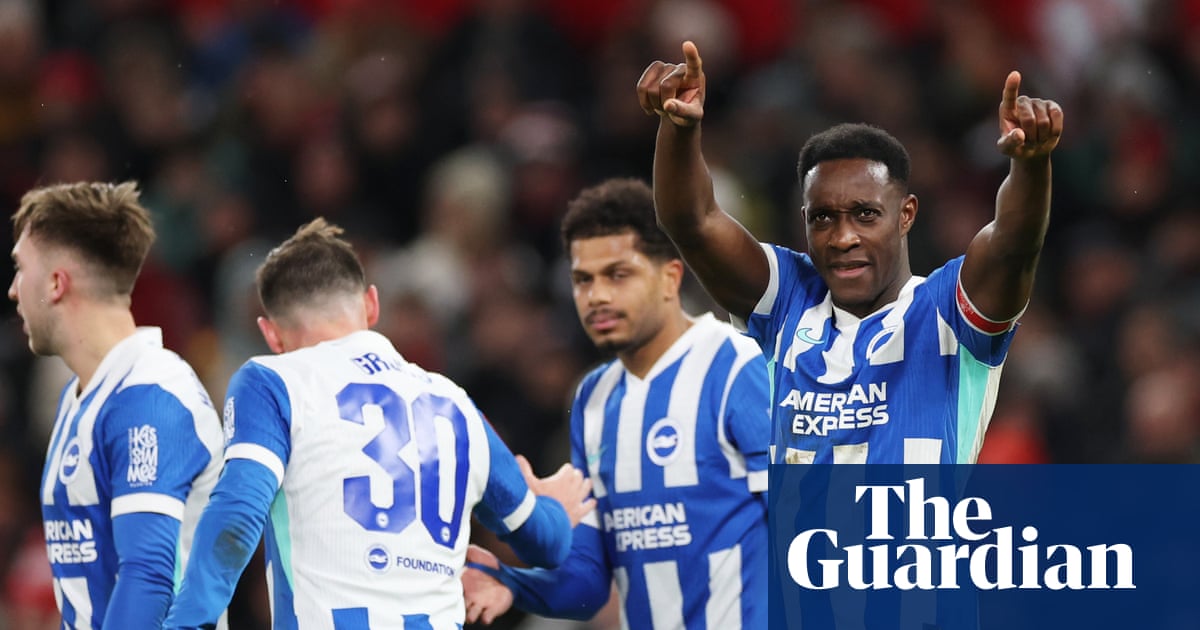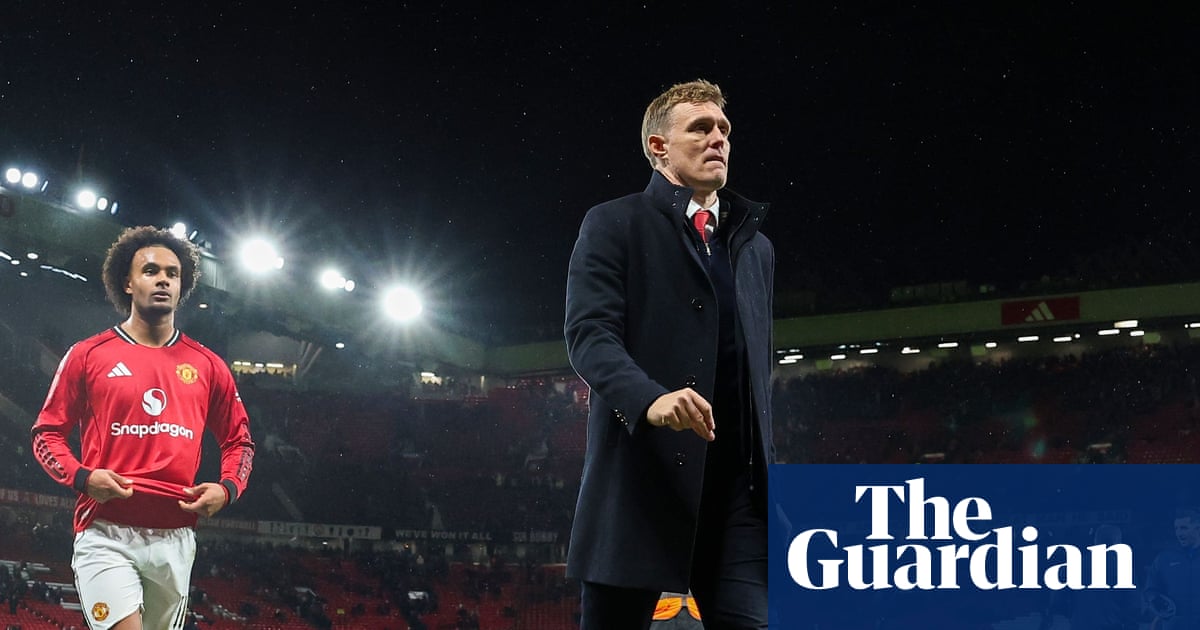
Manchester United were knocked out of the FA Cup by Brighton in a 2-1 defeat, with former United forward Danny Welbeck heavily involved and widely described as shining in the tie. The loss, which followed a draw between the sides in the Premier League, ensured United’s earliest combined exit from the FA Cup and League Cup since the 1981–82 season and left them facing their lowest total number of games in a campaign since before the First World War. Darren Fletcher, serving as interim manager, admitted he was in the dark about his future, with an announcement over the permanent or next interim appointment expected within about 72 hours.
Coverage converges on the broader context of a historically poor season, with the club’s performance metrics and early cup exits treated as evidence of a deep slump at one of England’s biggest institutions. Reports agree that United’s focus must now shift toward salvaging their league campaign and attempting to secure a Champions League place, even as questions hang over the dugout. There is shared emphasis on player fragility and the need for greater resilience and character, as well as acknowledgment that ongoing managerial uncertainty and the looming choice between candidates such as Ole Gunnar Solskjær and Michael Carrick form a crucial backdrop to the club’s current crisis.
Areas of disagreement
Responsibility and blame. Liberal-aligned coverage tends to place more responsibility on the club’s hierarchy and structural mismanagement, arguing that years of poor planning and constant turnover in the dugout have produced a brittle squad and left Fletcher in an impossible position. Conservative-leaning outlets are more likely to stress individual accountability, faulting players for lacking professionalism and mental toughness on the day, and questioning Fletcher’s in-game decisions more sharply. Where liberal sources frame fragility as a symptom of systemic rot, conservative sources frame it as a failing of attitude and leadership in the dressing room.
Meaning of the defeat. Liberal sources portray the Brighton loss as another data point in a long-running decline, using historical comparisons about fewest games since 1914–15 to emphasize institutional decay and the need for deep reform. Conservative coverage, while acknowledging the historical low, may characterize the result more as a stinging but still potentially corrective shock, arguing that big clubs periodically endure bad seasons without it signaling permanent decline. Thus liberals fold the match into a narrative of structural crisis, while conservatives often stress cyclical underperformance and the possibility of a quicker turnaround.
Managerial succession and solutions. Liberal-aligned reporting typically treats the search for a new manager, including the consideration of Solskjær and Carrick, as secondary to overhauling recruitment, football operations, and dressing-room culture, warning that simply changing the coach will not fix deeper flaws. Conservative sources are more inclined to focus on who should take charge next and to debate which candidate can impose discipline, clear tactics, and higher standards most effectively and immediately. As a result, liberals talk about governance and long-term planning, whereas conservatives center the discussion on managerial authority and short- to medium-term results.
Player characterization and mentality. Liberal coverage echoes Fletcher’s description of the players as fragile but tends to contextualize this in terms of a squad unsettled by constant churn, inconsistent messaging, and public scrutiny, suggesting their confidence is a casualty of wider mismanagement. Conservative outlets, by contrast, underline that a club of United’s stature should attract and demand mentally robust players, and argue that those who cannot perform under pressure should be replaced regardless of systemic issues. Liberals therefore see fragility as partly created by the environment, while conservatives present it primarily as a personal and professional shortcoming.
In summary, liberal coverage tends to embed the Brighton defeat in a story of long-term institutional decline and mismanagement at Manchester United, while conservative coverage tends to emphasize personal accountability, managerial authority, and the possibility of a quicker reset through tougher standards and different leadership.