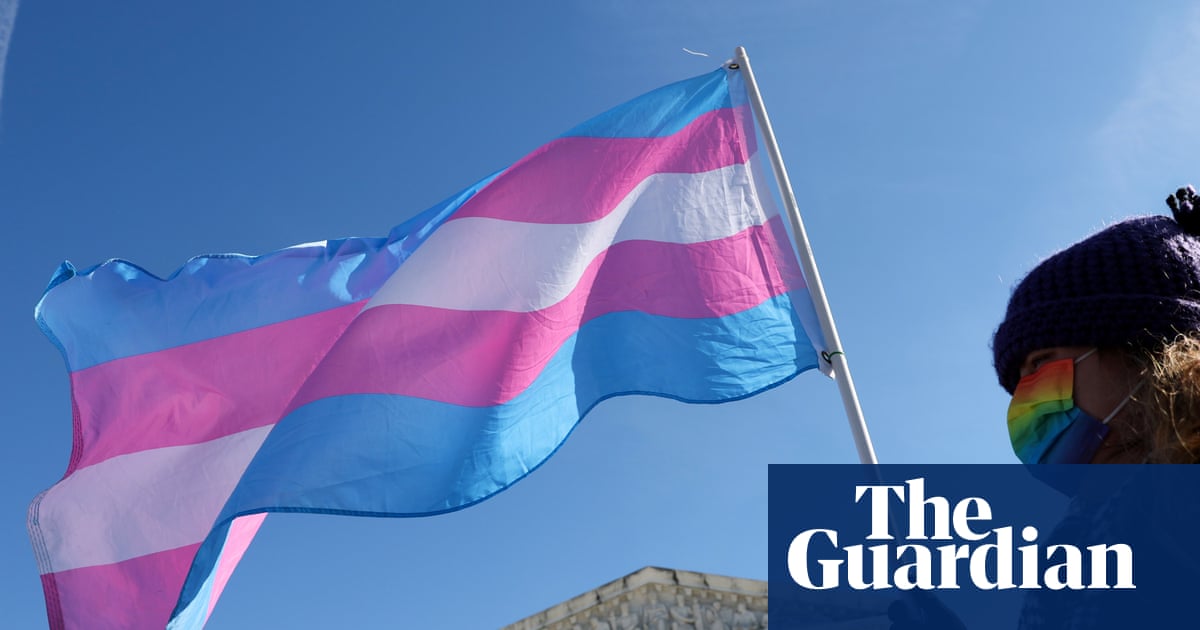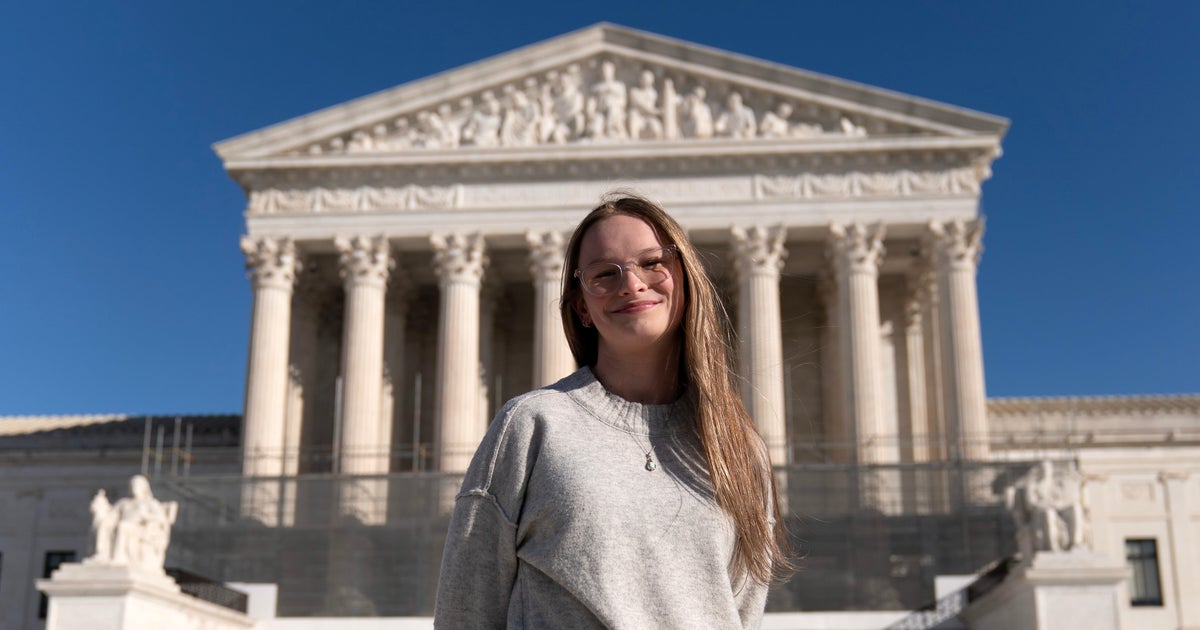


The Supreme Court has heard oral arguments in two consolidated cases challenging laws in West Virginia and Idaho that bar transgender girls and women from competing on girls' and women's sports teams designated by biological sex. The cases, brought by transgender athletes including Lindsay Hecox and Becky Pepper-Jackson, argue that these bans violate the Constitution’s Equal Protection Clause and Title IX, while the states defend the laws as necessary to protect competitive fairness and safety in female sports. Coverage on both sides agrees that several conservative justices signaled skepticism toward the challengers’ arguments and that the Court appears, at least preliminarily, more sympathetic to the states’ positions. Both liberal and conservative outlets also concur that the outcome will have broad implications for school athletics policies nationwide and for how Title IX applies to transgender students.
Across the spectrum, outlets describe the dispute as part of a long‑running national debate over transgender participation in sports and the meaning of sex-based protections in education. Both liberal and conservative sources note that Republican-led states have passed a wave of similar sports bans in recent years, framing them as efforts to define eligibility based on biological sex rather than gender identity. Reporting also agrees that federal civil rights law—particularly Title IX—and constitutional equal protection doctrine provide the legal framework the justices must interpret. Coverage from both sides highlights that advocacy groups, lawmakers, and activists from opposing perspectives rallied outside the Court, underscoring how institutional decisions by the Supreme Court will shape future legislative and regulatory reforms on transgender rights and women’s sports.
Areas of disagreement
Fairness versus discrimination framing. Liberal-aligned coverage emphasizes that the bans single out transgender girls for exclusion and thus operate as discrimination based on sex and transgender status, foregrounding the plaintiffs’ argument that existing girls’ teams can fairly include trans athletes under tailored rules. Conservative coverage, by contrast, centers on the idea that allowing transgender girls—described as biological males—to compete undermines fairness and opportunities for cisgender girls and women, casting the laws as protective rather than punitive. Liberal outlets tend to highlight the limited number of affected athletes and question whether broad categorical bans are necessary, while conservative outlets portray the issue as a looming structural threat to women’s sports even if current numbers are relatively small.
Characterization of the justices and legal strength. Liberal coverage often portrays the conservative justices as skeptical of gender identity claims and inclined to read Title IX narrowly, sometimes suggesting ideological hostility to transgender rights, while presenting the challengers’ legal theories as grounded in modern understandings of sex discrimination. Conservative coverage instead casts justices like Alito and Gorsuch as asking incisive, common-sense questions that expose perceived logical gaps in the pro-trans-athlete position, and depicts liberal justices—particularly Ketanji Brown Jackson—as offering muddled or over-theorized defenses of inclusion. Where liberal outlets frame the Court as potentially rolling back civil-rights protections, conservative outlets frame it as restoring clarity to sex-based law and resisting what they see as activist reinterpretations of Title IX.
Portrayal of institutions and actors. Liberal-oriented reporting generally presents the transgender athletes, their lawyers, and supportive civil-rights groups as seeking equal access to established educational institutions and sports programs, stressing their personal stories and the harms of exclusion. Conservative reporting tends to foreground Republican state officials, such as state attorneys general and lawmakers, as champions of female athletes and guardians of institutional fairness, while depicting national LGBTQ and civil-rights organizations as part of a broader ideological campaign. Liberal sources more often portray the states’ expert claims about biology and safety as overstated or pretextual, while conservative sources treat those claims as settled or obvious premises driving responsible policymaking.
Public opinion and political stakes. Liberal coverage situates the cases within a broader struggle over transgender rights, warning that an adverse ruling could embolden further restrictions in education, healthcare, and public life, and highlighting diverse public support for trans inclusion in some contexts. Conservative coverage links the litigation to wider political battles over what they call gender ideology in schools and sports, arguing that voters largely back clear sex-separated categories and that the Court could help cement that preference in law. Liberal outlets tend to stress the risk of stigmatization and marginalization for a vulnerable minority, whereas conservative outlets stress the mobilizing power of the issue among parents and women’s sports proponents, framing the case as a political and cultural inflection point.
In summary, liberal coverage tends to frame the cases as a test of whether constitutional and civil-rights guarantees will extend fully to transgender students and allow nuanced inclusion in girls’ sports, while conservative coverage tends to frame them as a necessary correction to protect the integrity of sex-based categories and the future of women’s athletics from what they depict as overreach in the name of gender identity.
Story coverage