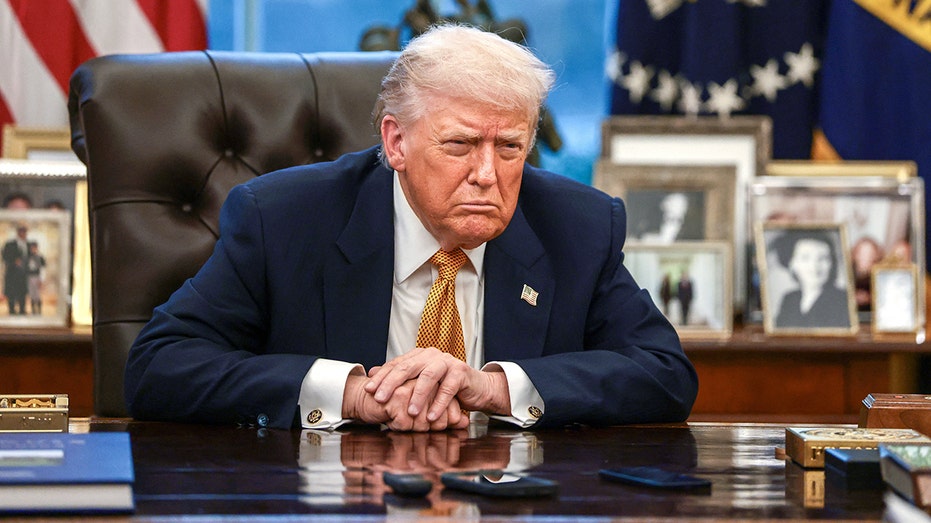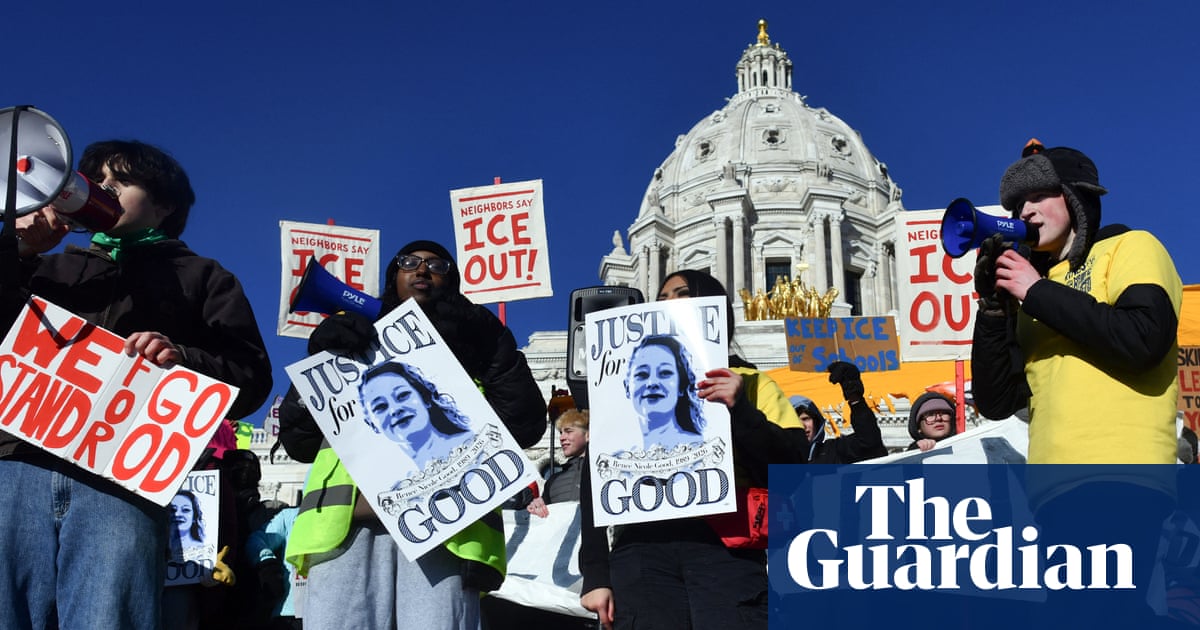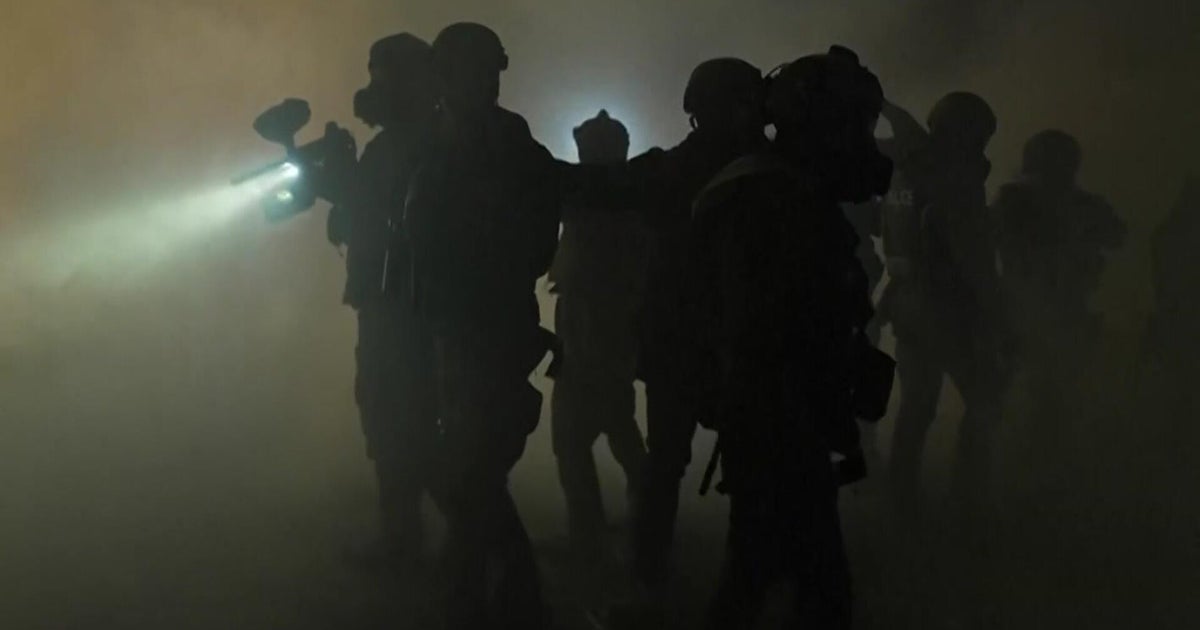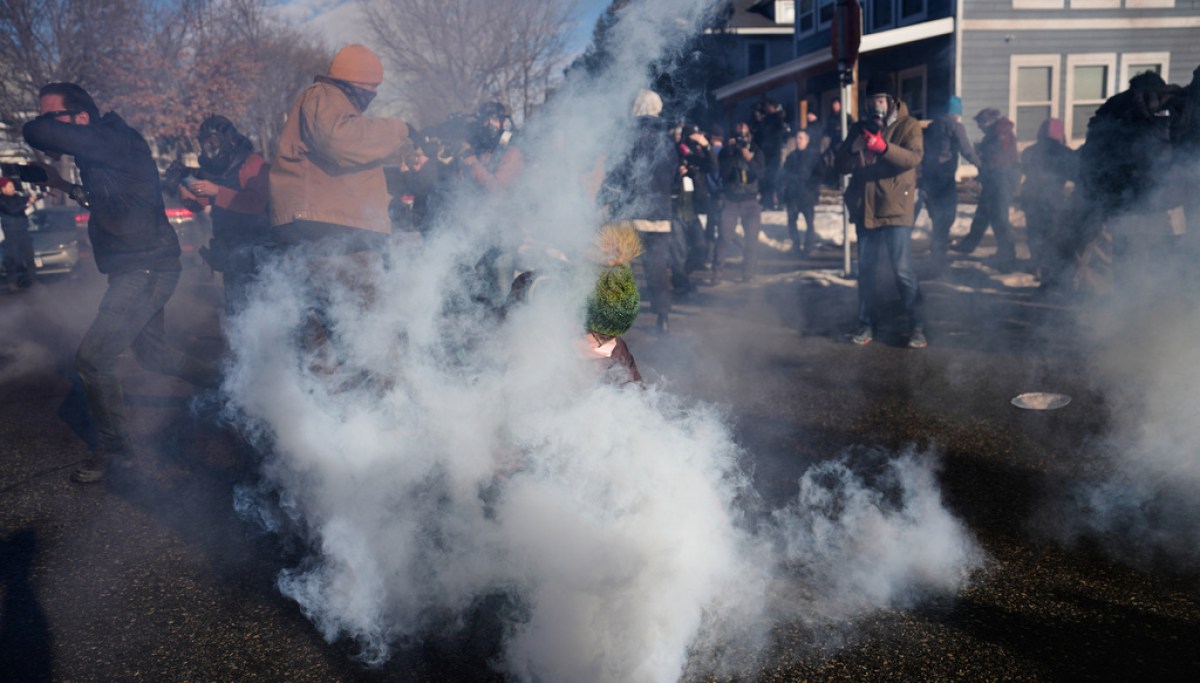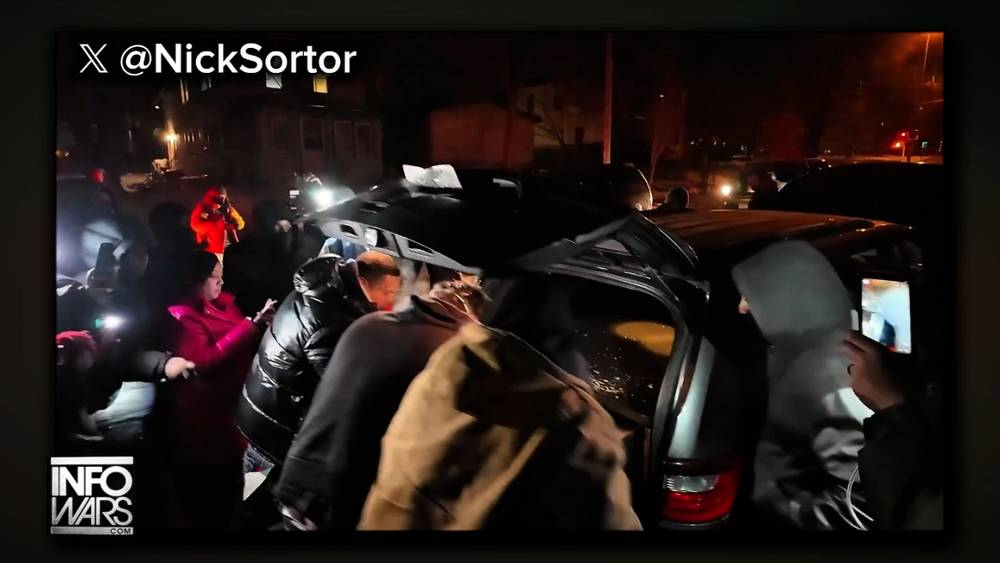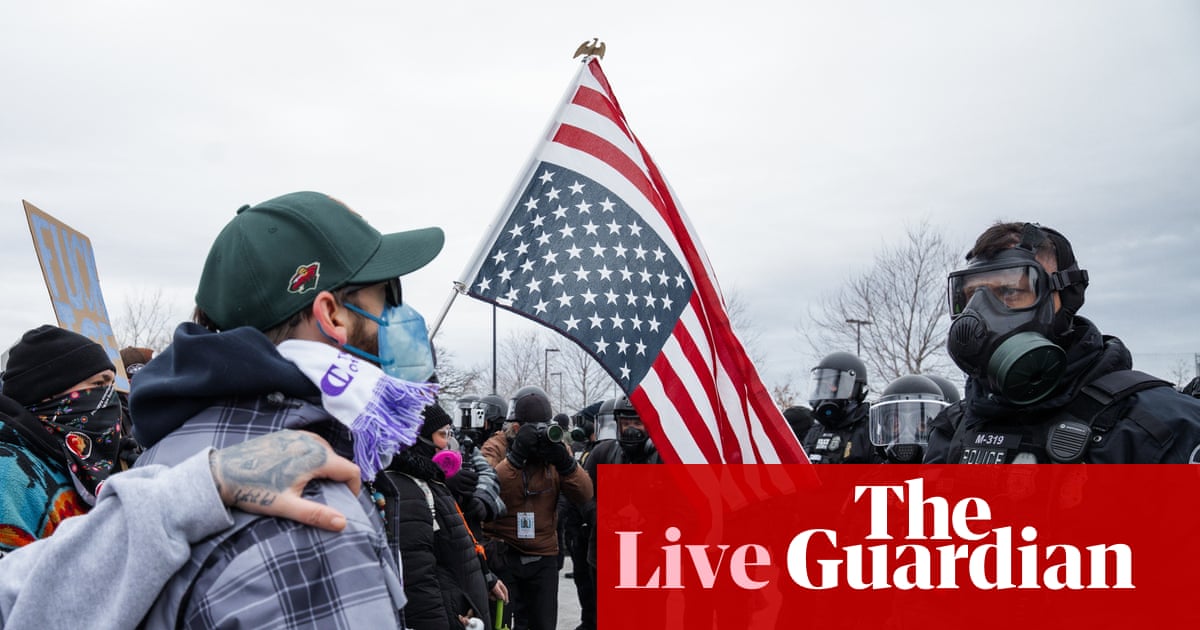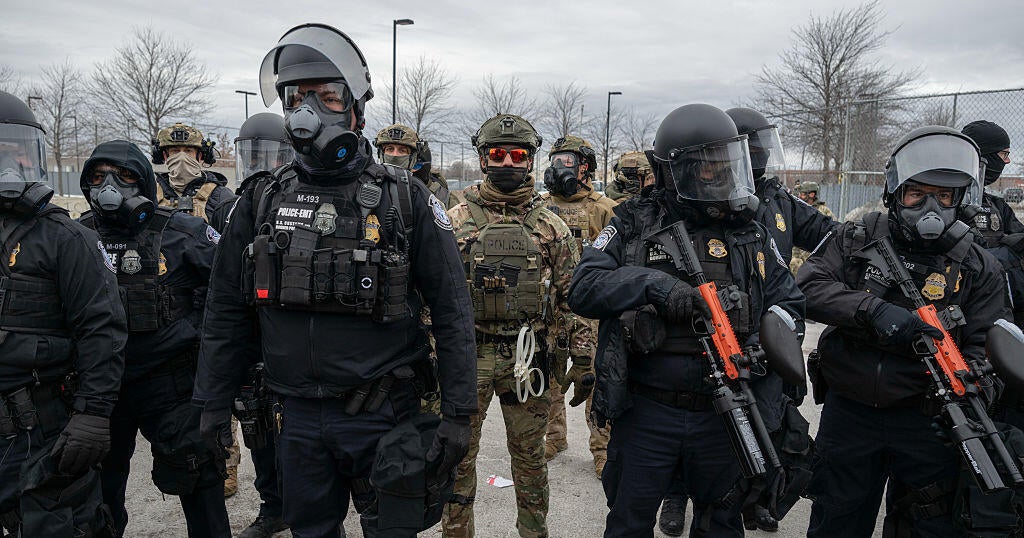



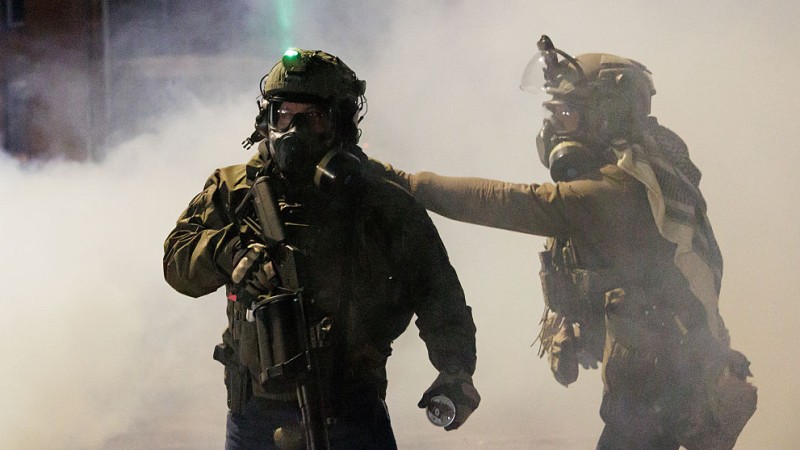
President Donald Trump has repeatedly threatened to invoke the Insurrection Act in Minnesota, specifically targeting protests in Minneapolis against Immigration and Customs Enforcement operations after at least one ICE-related shooting left a migrant and a federal officer hospitalized. Both liberal and conservative sources agree that the threat, publicly reiterated around mid-January 2026, would allow deployment of active-duty military or federalized National Guard troops to quell unrest surrounding immigration raids and clashes between protesters and federal agents. Coverage across the spectrum notes that demonstrations intensified after disputed shootings by ICE officers, that federal officials claim at least one shooting was in self-defense, and that local Democratic leaders, including Governor Tim Walz and Minneapolis officials, have urged peaceful protest while clashing with the White House over responsibility for escalating tensions. Outlets on both sides also acknowledge that federal vehicles and equipment have been damaged or destroyed in some incidents, that legal challenges and political backlash have followed Trump’s statements, and that he has at times suggested he might not need to formally invoke the Act if order is restored.
Liberal and conservative coverage concur that the Insurrection Act is a rarely used, centuries-old law granting presidents broad authority to deploy the U.S. military domestically in cases of insurrection, unrest, or interference with federal law, with past invocations during the Civil Rights movement and the 1992 Los Angeles riots. Both describe the Minnesota situation as part of a broader national conflict over immigration enforcement, with protesters denouncing ICE raids and alleged brutality while federal agencies insist they are enforcing immigration law amid rising resistance. Across outlets, the standoff is framed as a test of federal versus state power, with Democratic state and local officials resisting an expanded federal security footprint, and as an episode in Trump’s wider first-year-back agenda focused on aggressive immigration crackdowns. There is shared recognition that public opinion is sharply divided, that the legal threshold and prudence of invoking the Insurrection Act are under active debate, and that the mere threat of using it has heightened political and social tensions in Minnesota.
Areas of disagreement
Nature of the protests and violence. Liberal-aligned outlets largely describe the Minneapolis events as protests against ICE shootings and harsh immigration crackdowns, emphasizing peaceful demonstrators, community anger, and isolated or disputed incidents of violence. Conservative outlets portray them as leftist mobs or rioters attacking ICE and Border Patrol agents, highlighting accounts of hijacked DHS vehicles, looted or destroyed federal property, and repeated assaults that impede operations. While liberal coverage acknowledges property damage and confrontations, it tends to frame them as reactive and limited, whereas conservative coverage treats the unrest as organized, escalating violence that verges on insurrection.
Characterization of Trump’s motives. Liberal sources present Trump’s threats to invoke the Insurrection Act as part of a broader campaign of retribution and intimidation against immigrants, political opponents, and Democratic state leaders, often linking it to his low poll numbers and hardline immigration agenda. Conservative outlets instead cast his stance as a necessary assertion of federal authority to protect agents and restore law and order when local Democratic officials allegedly refuse to act. Where liberal coverage stresses the dangers of authoritarian overreach and domestic militarization, conservative coverage stresses presidential duty and resolve in the face of what they call Democratic permissiveness toward anti-ICE violence.
Role and responsibility of Democrats and local officials. Liberal reporting highlights Governor Walz and other Democrats calling for calm and peaceful protest, portraying them as trying to de-escalate while condemning both ICE brutality and Trump’s threats. Conservative outlets often argue that Democratic rhetoric against ICE has emboldened protesters and undercut respect for federal law, accusing state and local leaders of effectively allowing or even encouraging attacks on agents by failing to crack down. In liberal narratives, Democrats are defending civil liberties and resisting federal overreach, while in conservative narratives they are shirking responsibility and scapegoating federal officers.
Legality and appropriateness of using the Insurrection Act. Liberal coverage focuses on how extraordinary and controversial domestic troop deployment would be in this context, raising constitutional concerns, civil liberties risks, and the potential chilling effect on dissent, and frequently suggesting the legal threshold for insurrection is not met. Conservative coverage acknowledges that the power is extraordinary but emphasizes that attacks on federal agents and interference with immigration enforcement could justify its use, often framing deployment as a last-resort but legitimate tool. Liberals tend to emphasize judicial scrutiny, historical restraint, and alternative remedies, while conservatives emphasize the president’s broad statutory authority and the urgency of stopping violence.
In summary, liberal coverage tends to frame Trump’s Insurrection Act threats as authoritarian overreach aimed at suppressing largely legitimate protest against abusive immigration enforcement, while conservative coverage tends to depict them as a justified response to violent leftist riots and Democratic unwillingness to protect federal agents and uphold the rule of law.