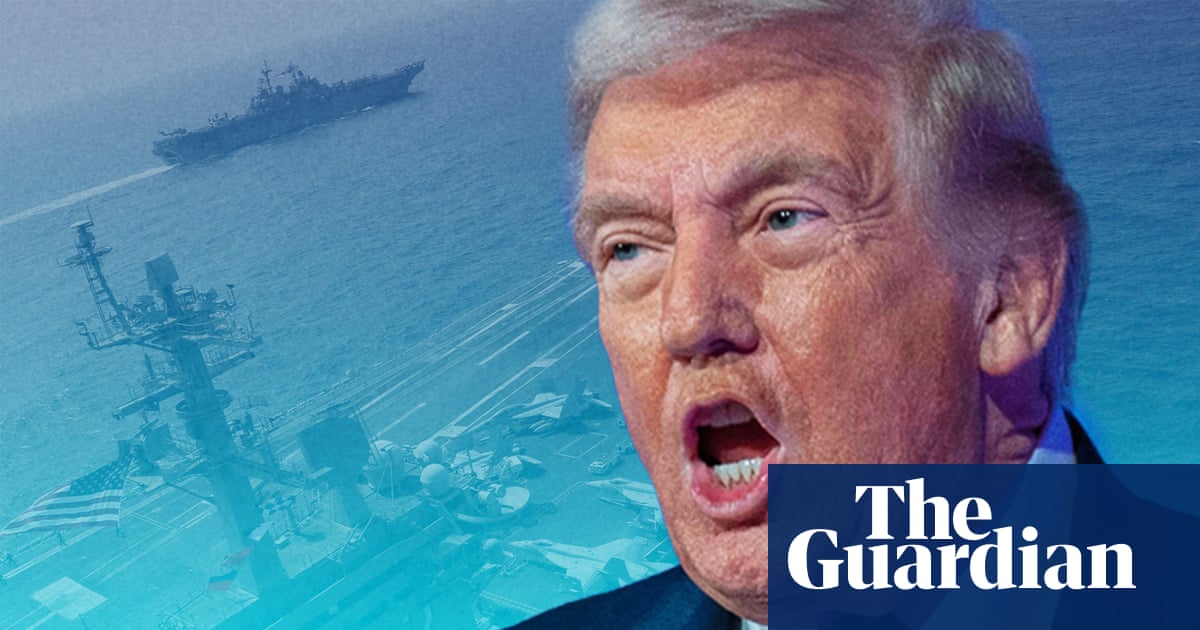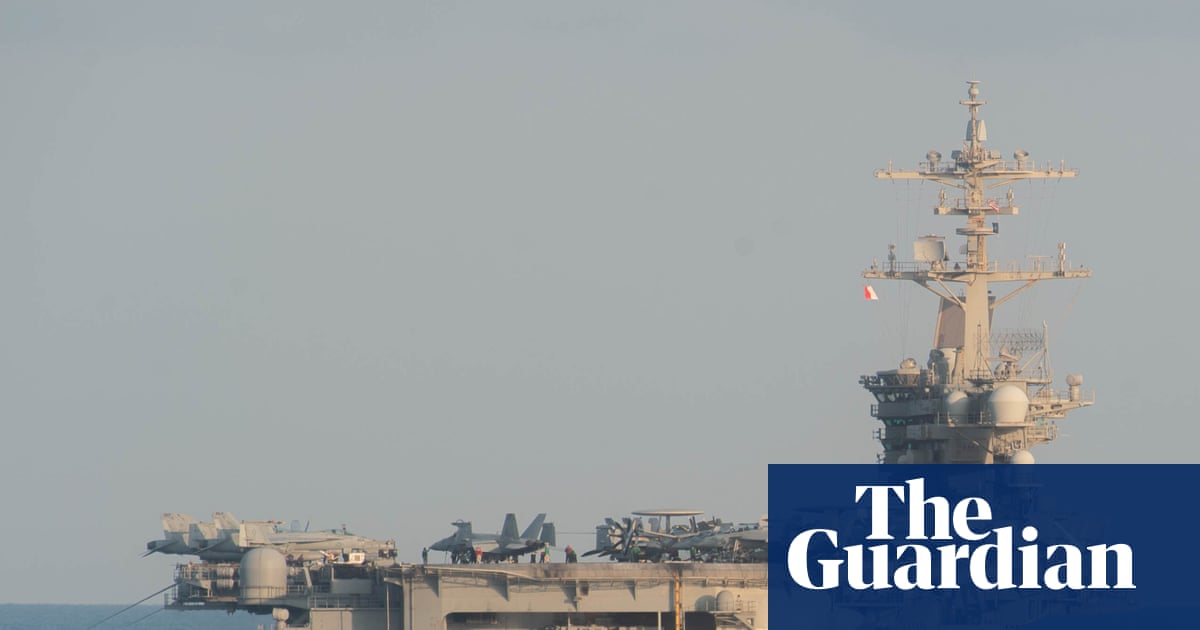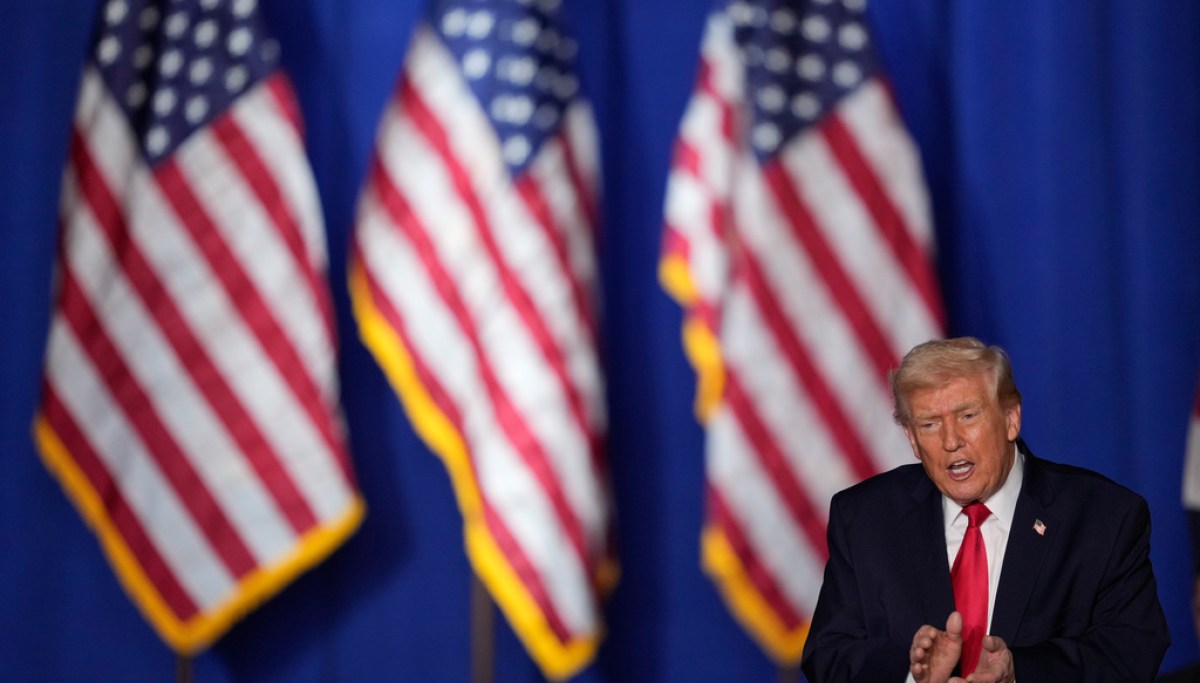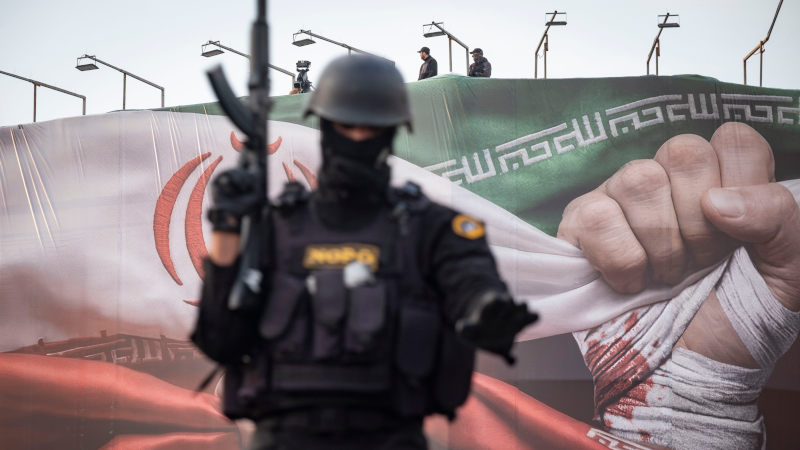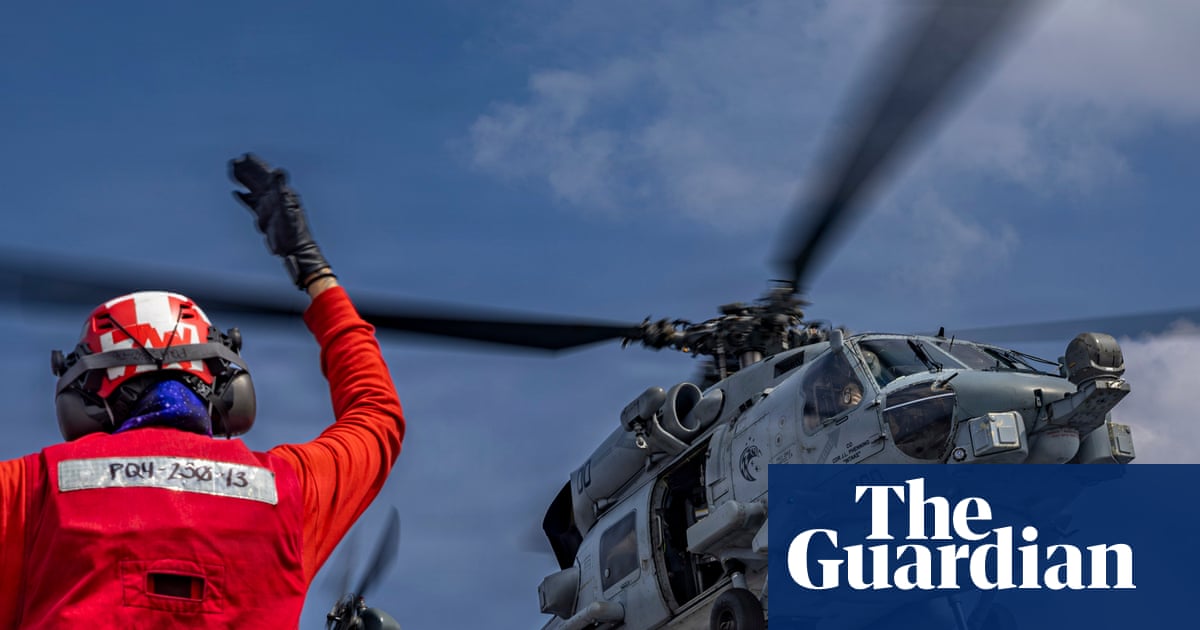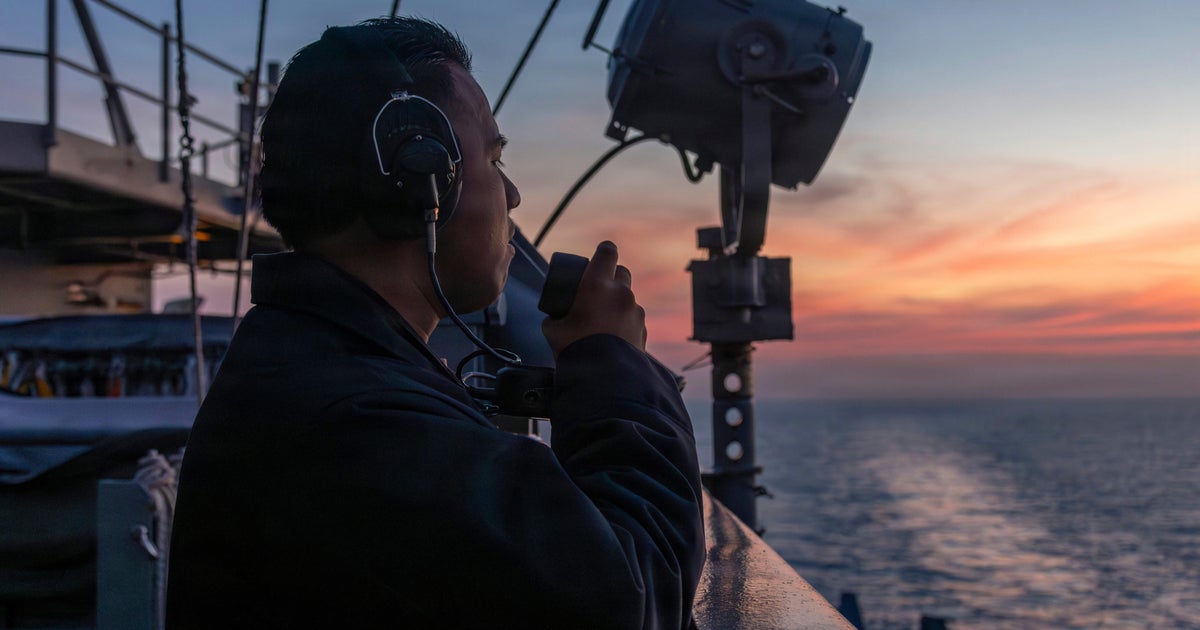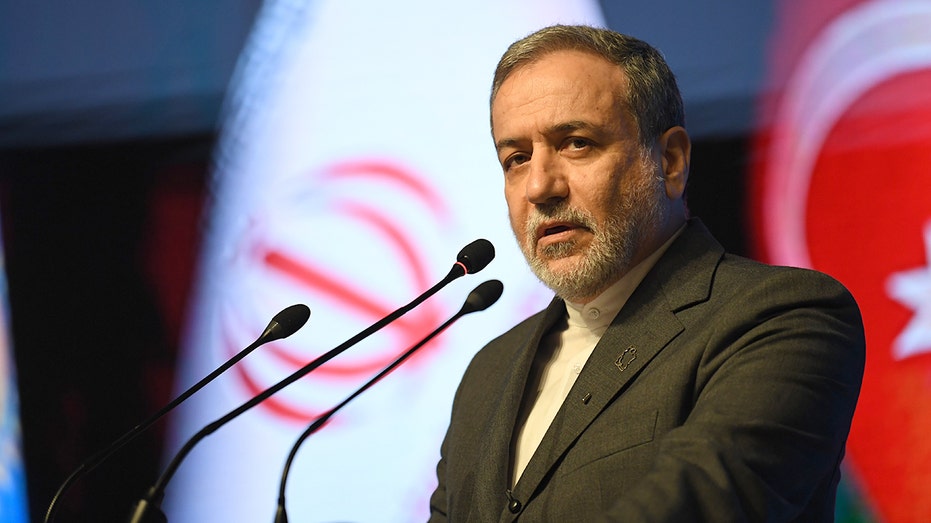
Liberal and conservative outlets broadly agree that military tensions between the United States and Iran have sharply escalated following President Trump’s public warning that “time is running out” for a new nuclear deal and his references to a “massive” U.S. naval armada moving toward the region. Both sides report the deployment and patrolling of the USS Abraham Lincoln carrier strike group and associated U.S. assets in the broader Middle East, along with Iranian officials’ repeated vows of severe retaliation and assertions that their forces have their “finger on the trigger” in anticipation of possible U.S. or Israeli attacks. Coverage on both sides notes that the current standoff comes after Iran’s suppression of large-scale domestic protests, heightened threats from Iran-aligned militias in Iraq and Yemen, and concerns that any miscalculation could lead to rapid escalation. They also concur that international intermediaries are attempting to head off direct conflict as markets, especially oil, react nervously to the risk of war and potential disruption in key chokepoints like the Strait of Hormuz.
Across outlets, there is shared acknowledgment that the confrontation is rooted in long-running disputes over Iran’s nuclear program, ballistic missile development, and regional influence through proxy militias, alongside U.S. efforts to constrain these activities via pressure and sanctions. Both liberal and conservative coverage recognize that Trump is seeking a more expansive agreement than past arrangements by tying nuclear limits to Iran’s regional behavior, while Iranian officials publicly insist they want peaceful nuclear technology, no nuclear weapons, and security guarantees against regime change. Reports from both sides also agree that Iranian leaders frame U.S. moves as part of a pattern of “blundering into wars,” while the U.S. frames its pressure campaign as a response to Tehran’s internal repression and external aggression. There is further consensus that the presence of powerful institutions—such as the U.S. military, the Islamic Revolutionary Guard Corps, and regional militias—creates a volatile environment in which diplomatic and economic tools are tightly intertwined with military signaling.
Areas of disagreement
Responsibility and blame. Liberal-aligned coverage emphasizes U.S. escalation, portraying Trump’s threats, carrier deployments, and talk of regime change as primary drivers of the current crisis, and highlighting Iranian fears of an externally imposed overthrow. Conservative outlets instead foreground Iran’s culpability, stressing its violent suppression of protests, sponsorship of militias in Iraq and Yemen, and bellicose rhetoric as justification for U.S. deterrent moves. While liberal sources frame Iran’s warnings as largely reactive to U.S. pressure, conservative reports frame them as confirmation of an already aggressive posture that necessitates a strong American response.
Nature of U.S. strategy. Liberal sources tend to cast the U.S. buildup as a risky and potentially reckless gambit, raising the specter that Trump may be edging toward an unnecessary war under the banner of a tougher nuclear and regional deal. Conservative coverage describes the same deployments as prudent leverage designed to coerce Tehran back to negotiations, often presenting Trump’s fluctuating tone—threats paired with offers to “come to the table”—as calculated pressure rather than impulsive saber-rattling. Where liberal outlets stress the danger of miscalculation and question the coherence of Trump’s approach, conservative outlets highlight its perceived strength and deterrent value.
Characterization of Iran and domestic politics. Liberal coverage devotes more attention to the risks faced by ordinary Iranians, the decline in Iran’s stock market, and the unpopularity of foreign-imposed regime change, framing Tehran’s leadership as repressive yet warning that external military action could worsen internal repression and instability. Conservative outlets focus more on Iran’s leadership as a hostile actor, frequently linking its clampdown on protests to alleged U.S.- and Israeli-instigated unrest and using that narrative to justify viewing the regime as irredeemably adversarial. As a result, liberal reporting tends to separate sympathy for the Iranian people from support for military pressure, whereas conservative reporting more often fuses solidarity with protesters to arguments for maintaining or escalating U.S. force posture.
Risk and economic fallout. Liberal sources highlight the broader global and humanitarian risks of a U.S.-Iran clash, treating surging oil prices and market jitters as evidence that military escalation would be costly far beyond the region and undercutting the case for force. Conservative outlets mention oil price spikes but typically in the context of illustrating how seriously markets take Trump’s threats, sometimes implying that this economic reaction enhances the credibility of U.S. deterrence. Thus, liberals frame economic volatility as a warning sign arguing for urgent de-escalation, while conservatives more often present it as collateral pressure consistent with a hardline stance.
In summary, liberal coverage tends to frame U.S. actions as the main source of escalation, emphasize risks of war and regime-change dynamics, and spotlight humanitarian and economic costs, while conservative coverage tends to foreground Iranian aggression and repression, portray U.S. military moves as necessary deterrence to force negotiations, and treat economic and regional fallout as secondary to confronting Tehran’s behavior.
Story coverage