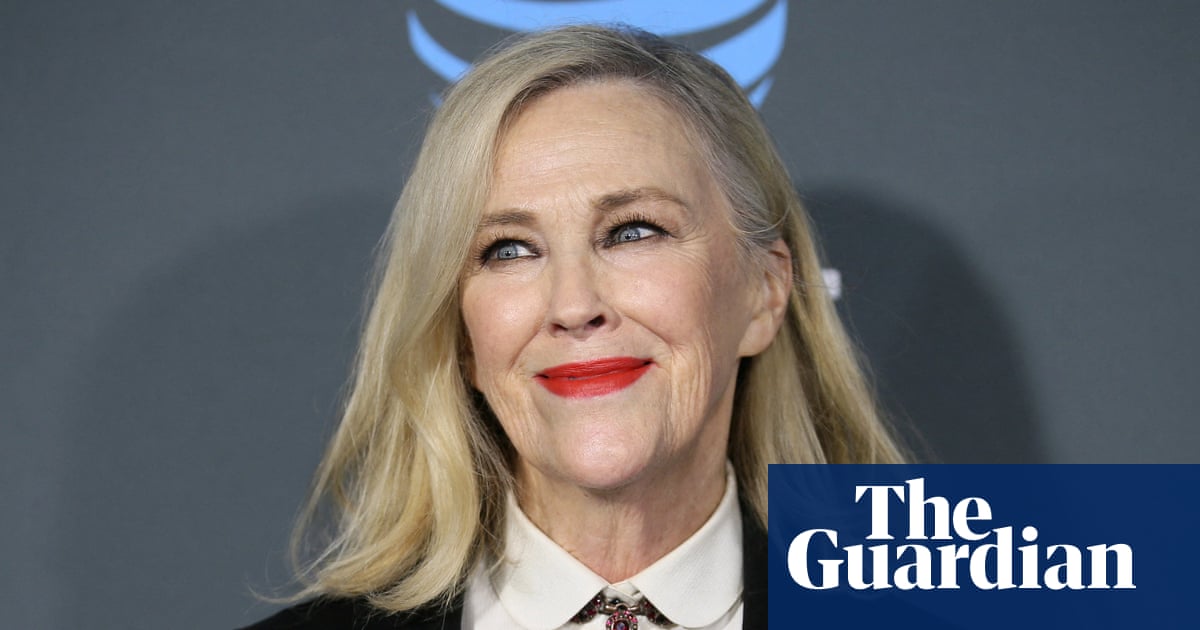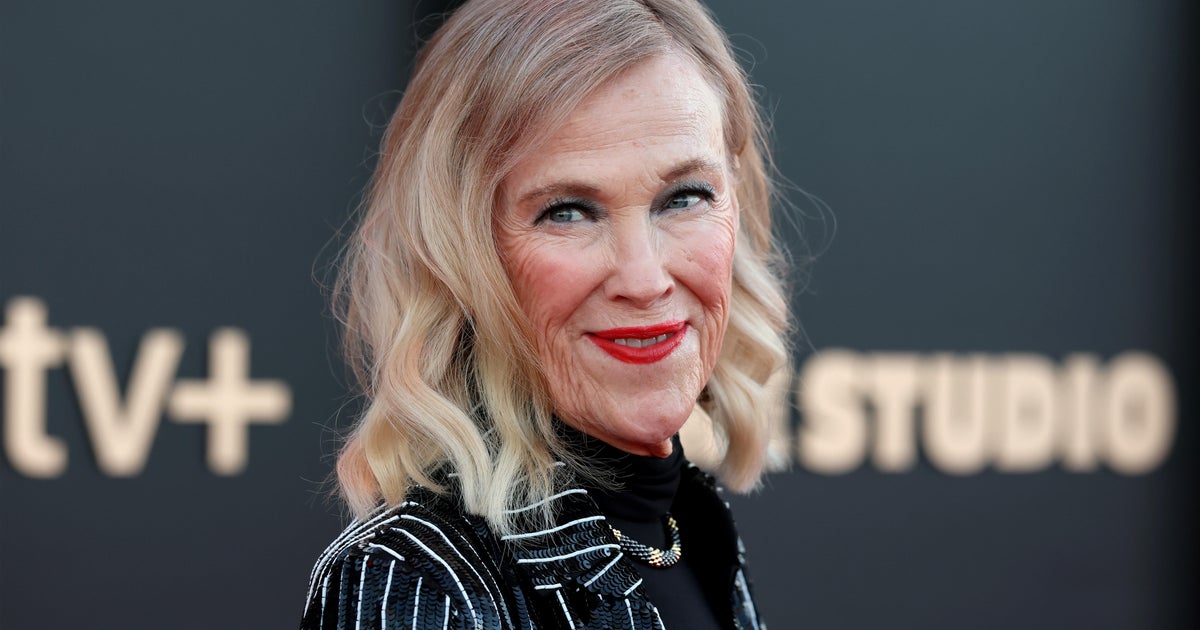


Catherine O’Hara, the Canadian-born actress and comedian best known to mass audiences for her roles in Home Alone, Beetlejuice, and Schitt’s Creek, has been reported dead at the age of 71 in her Los Angeles home after a brief illness. Both liberal- and conservative-leaning outlets agree on the core facts: her age, place of death, the brief nature of the illness, and that her representatives confirmed the news, as well as her status as a preeminent comic performer whose death prompted an immediate wave of tributes from colleagues, collaborators, and fans.
Coverage across the spectrum also converges on a shared narrative of her career: she emerged from Canadian sketch comedy in the 1970s, built a decades-long body of work in film and television, and in later years experienced a celebrated resurgence through Schitt’s Creek, for which she won an Emmy. Both liberal and conservative sources highlight her versatility in comedy and drama, her collaborations with figures like Christopher Guest and Tim Burton, and the broad cultural reach of her characters, portraying her as a cross-generational, cross-border figure whose work shaped modern screen comedy.
Areas of disagreement
Emphasis of legacy. Liberal-aligned outlets devote more space to O’Hara’s artistic evolution, cataloguing a wide range of projects from SCTV and mockumentaries to newer series, and explicitly stressing her creative risk-taking and character complexity. Conservative sources, while admiring, focus more tightly on her status as a beloved Hollywood comedy icon and the emotional reactions from fellow celebrities, giving less granular attention to the arc of her career.
Cultural framing. Liberal sources tend to situate O’Hara within broader conversations about Canadian cultural exports, women in comedy, and the maturation of television storytelling, using her career to illustrate institutional shifts in the industry. Conservative sources frame her more as a universally cherished entertainer whose appeal cut across politics and demographics, generally avoiding extended cultural or political interpretation and keeping the focus on personal admiration and nostalgia.
Tributes and institutions. Liberal coverage more often highlights statements from Canadian political leaders, arts institutions, and critics, treating her death as a national-cultural moment as well as an entertainment story. Conservative coverage concentrates on comments from fellow actors, directors, and entertainment personalities, foregrounding Hollywood’s internal response rather than national or institutional reactions.
Depth and tone. Liberal outlets typically run longer, more reflective pieces that mix obituary detail with critical appreciation, sometimes dissecting specific performances and the craft behind them. Conservative outlets adopt a shorter, newsier tone that centers on the breaking-news aspect and the emotional weight of mourning, offering less analytical depth but a more straightforward remembrance.
In summary, liberal coverage tends to present Catherine O’Hara’s death as both a personal loss and a culturally significant moment, embedding her story in broader artistic and institutional contexts, while conservative coverage tends to emphasize her as a cherished comedy star and focus on the immediate, emotional tributes from her peers and fans.
Story coverage