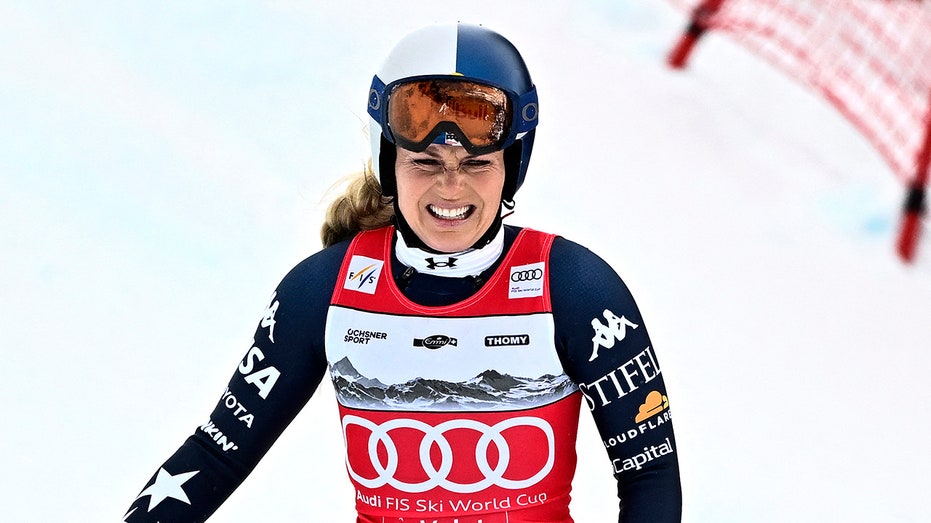

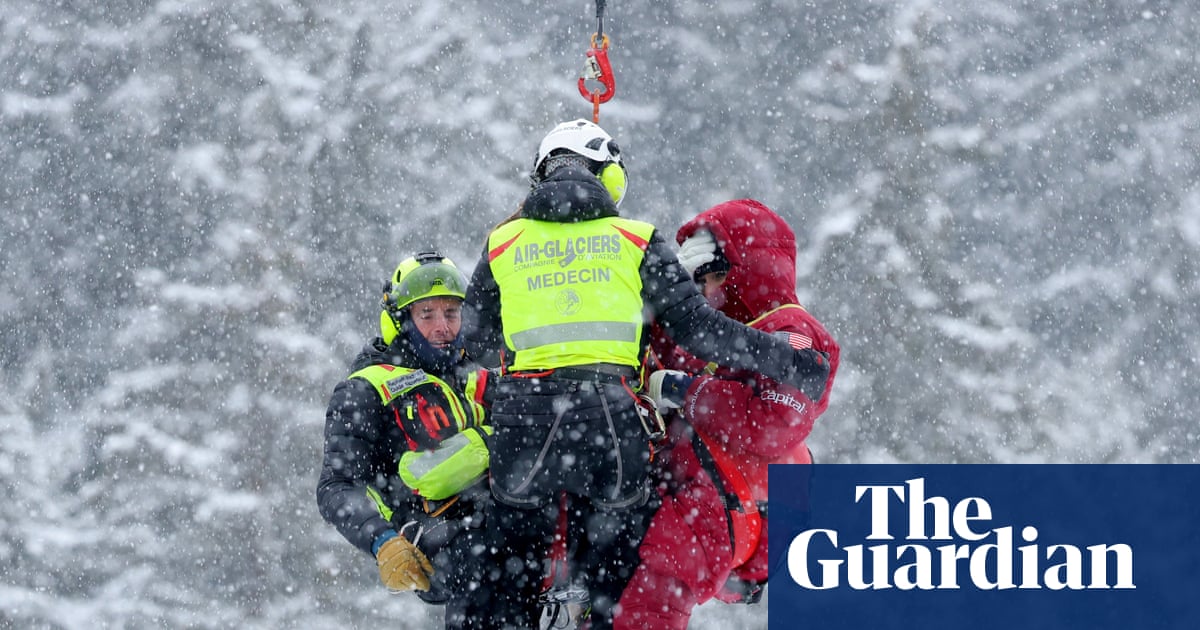
US skier Lindsey Vonn crashed during a World Cup downhill race in Crans-Montana, Switzerland, in what was her final downhill before the Milano Cortina Winter Olympics. On a jump she lost control, slid into the safety nets, injured her left knee, and was airlifted from the course for medical evaluation, prompting officials to call off the rest of the race amid worsening weather conditions. Across both liberal and conservative outlets, coverage emphasizes that the full extent of the knee injury is not yet clear, that the crash occurred roughly a week before the Games, and that Vonn’s participation in the Olympic downhill, super-G, and combined events is now in serious doubt.
Both sides highlight Vonn’s status as a high-profile American skiing star attempting a late-career Olympic run, and they reference her long history of significant injuries and dramatic comebacks. Outlets agree that her crash represents a major potential blow to the U.S. team and to Olympic viewership, and they note statements from Vonn and her coach that she is undergoing further tests while still aiming to compete in Milan-Cortina if medically possible. Coverage from both perspectives situates the incident within the broader risks of elite alpine skiing and the high-stakes lead-up to the Winter Games, while also underscoring that final medical decisions and Olympic roster implications remain pending.
Areas of disagreement
Tone and framing of the incident. Liberal-aligned coverage tends to describe the crash in straightforward, sports-reporting language, emphasizing the sequence of events, the race being abandoned, and the implications for Olympic scheduling. Conservative outlets are more likely to use charged descriptors like "terrifying" and to foreground the drama of Vonn’s airlift and visible pain. While liberals frame the story as a significant but expected risk in high-speed skiing, conservatives cast it more as a shocking, high-drama episode that could derail a major comeback narrative.
Emphasis on comeback narrative. Liberal sources frame Vonn’s reaction in terms of resilience and focus, quoting her insistence that her Olympic dream is not over and placing this within a broader pattern of managing injuries throughout her career. Conservative coverage leans harder into the idea of an "Olympic comeback in jeopardy," spotlighting the uncertainty around whether her return to the sport might end abruptly. Both note her history of comebacks, but liberals use it mainly to suggest a plausible return, whereas conservatives use it to heighten the sense that this may be a last, possibly doomed attempt.
Risk and institutional context. Liberal outlets more often highlight structural factors such as course conditions, deteriorating weather that led to the race being abandoned, and the institutional processes for medical evaluation and Olympic selection. Conservative coverage mentions these elements but tends to gloss over procedural details in favor of focusing on the personal stakes for Vonn. As a result, liberals present the crash partly as an example of how ski federations and organizers balance safety and competition, while conservatives present it more as an individual athlete’s tragic misfortune.
Implications for the Olympics and fans. Liberal coverage stresses the impact on the U.S. team’s medal prospects and the logistical uncertainty about which events Vonn might still enter if cleared. Conservative coverage leans into the disappointment for fans and the potential loss of a marquee American star whose presence boosts ratings and patriotic interest in the Games. Where liberals focus on lineup decisions and recovery timelines, conservatives focus more on the emotional and symbolic blow to viewers hoping for a triumphant return.
In summary, liberal coverage tends to present the crash in measured, procedural terms focused on injury management, institutional context, and Vonn’s stated determination to continue, while conservative coverage tends to heighten the drama, spotlight the jeopardized comeback narrative, and foreground the emotional stakes for both Vonn and her Olympic audience.