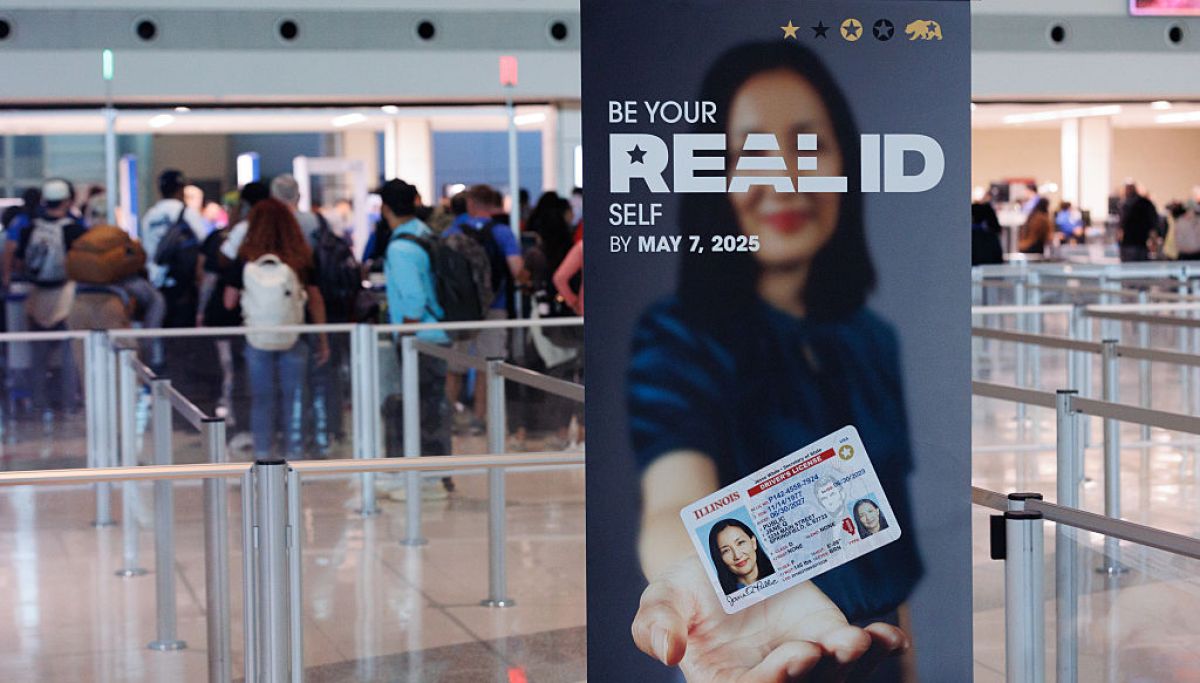



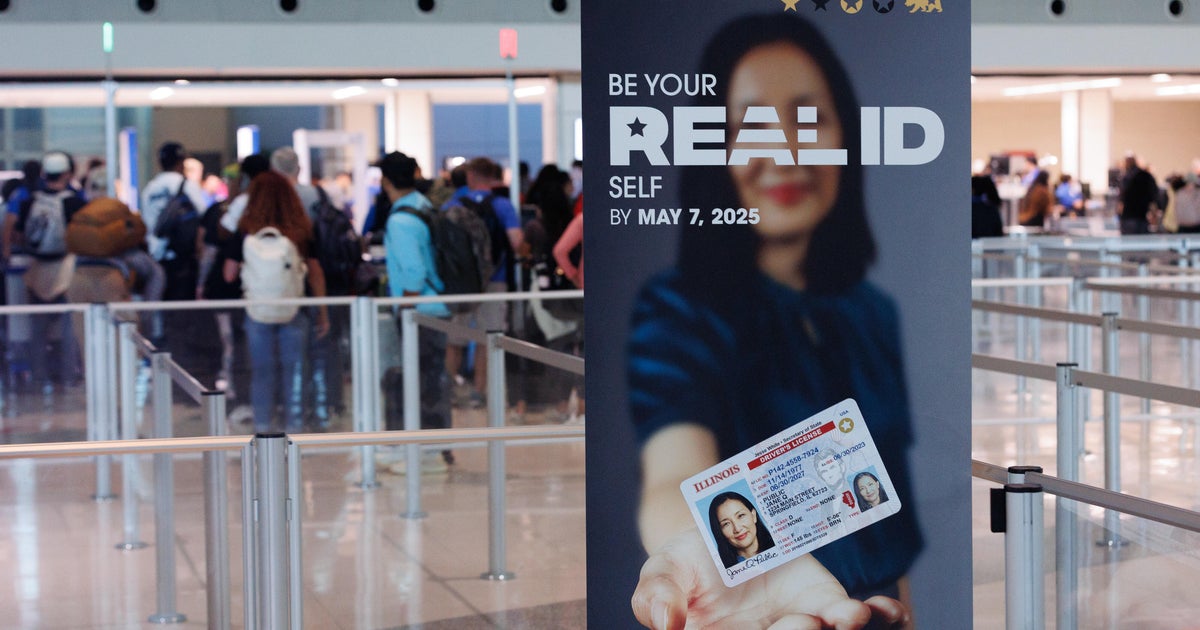
Starting February 1, the Transportation Security Administration will begin charging a $45 fee to airline passengers aged 18 and older who arrive at airport security without a REAL ID-compliant driver’s license or another acceptable form of identification, such as a U.S. passport. Both liberal- and conservative-aligned outlets agree that the fee is tied to use of TSA’s ConfirmID system, which allows travelers who lack compliant ID to undergo additional identity verification instead of being turned away, and that the payment covers a limited travel window of about 10 days, potentially requiring multiple fees for separate trips. Coverage across the spectrum also agrees that this is a nationwide rollout linked to longstanding REAL ID enforcement deadlines, that the policy applies only to aviation security checkpoints, and that in all cases presenting an acceptable ID remains the preferred, fee-free option.
Outlets across both ideological camps situate the fee within the broader, post-9/11 security architecture created by the REAL ID Act and managed by the Department of Homeland Security through TSA. They concur that ConfirmID functions as an optional fallback mechanism designed to maintain the flow of air travel while tightening identity verification standards at checkpoints, and that the change reflects the government’s effort to finally enforce ID requirements that have been delayed several times. Both sides describe the program as part of a broader modernization of airport security infrastructure, emphasizing continuity with previous identification rules rather than a wholly new mandate, and note that state motor vehicle agencies and federal agencies have been urging residents for years to upgrade to compliant IDs to avoid confusion and extra costs at airports.
Areas of disagreement
Framing of the fee. Liberal-aligned coverage generally presents the $45 ConfirmID charge as an optional service fee or convenience charge that allows unprepared travelers to complete their trip, emphasizing that it is a fallback rather than a punishment. Conservative-aligned outlets are more likely to describe it as a fine or penalty for non-compliance with REAL ID standards, framing it as a cost imposed on those who have ignored long-standing federal requirements. The result is that liberal reporting tends to soften the policy’s tone as customer-oriented, while conservative reporting sharpens it as an enforcement measure.
Responsibility and blame. Liberal sources tend to foreground bureaucratic complexity, shifting state rollout schedules, and public confusion as reasons many travelers still lack REAL ID-compliant documents, implicitly diffusing blame among agencies and policy design. Conservative sources more often stress individual responsibility, arguing that travelers have had ample warning and time to obtain compliant IDs, and that those who show up unprepared should bear the added cost. This difference leads liberal coverage to emphasize the need for clearer public communication and support, while conservative outlets use the story to underscore personal accountability and adherence to federal standards.
Cost burden and fairness. Liberal-leaning coverage highlights consumer impacts, noting that frequent travelers or those on multi-leg or longer-than-10-day trips may face repeated $45 charges, and questioning the equity of imposing additional costs on lower-income passengers or those facing documentation hurdles. Conservative coverage, by contrast, tends to endorse the shift of verification costs from general taxpayers to the specific individuals who have not complied with ID rules, casting the policy as a fair user-pays model. This leads liberals to frame the fee as a potential financial barrier or regressive burden, while conservatives frame it as a justifiable consequence tied to non-compliance.
Characterization of the policy’s intent. Liberal sources typically cast ConfirmID as a pragmatic compromise that balances security with travel continuity, portraying TSA as trying to avoid chaotic scenes of passengers being turned away at checkpoints when strict REAL ID enforcement begins. Conservative sources more frequently connect the change to tightening security and restoring seriousness to a post-9/11 law that has been delayed, suggesting the program reflects overdue rigor rather than mere customer service. In doing so, liberal coverage leans toward describing an operational solution to a policy rollout problem, whereas conservative coverage leans toward describing an enforcement tool meant to reinforce federal authority and national security priorities.
In summary, liberal coverage tends to portray the $45 ConfirmID fee as a customer-oriented, optional fallback shaped by bureaucratic complexity and equity concerns, while conservative coverage tends to frame it as a justified penalty that rightly shifts costs to non-compliant travelers and reinforces long-delayed federal security standards.