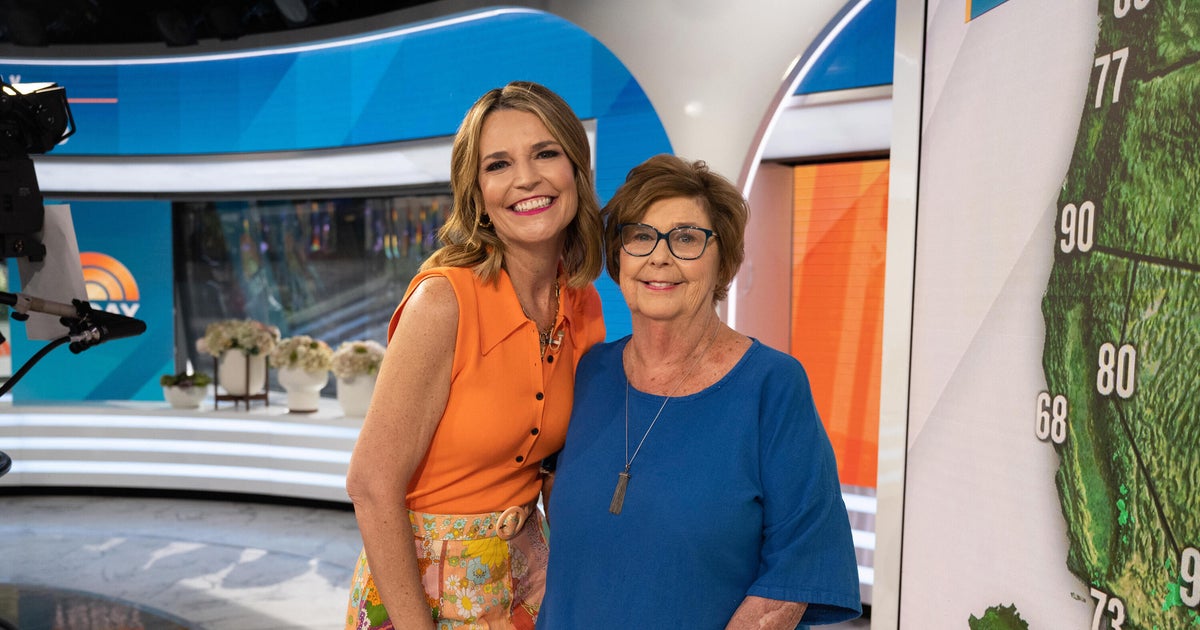
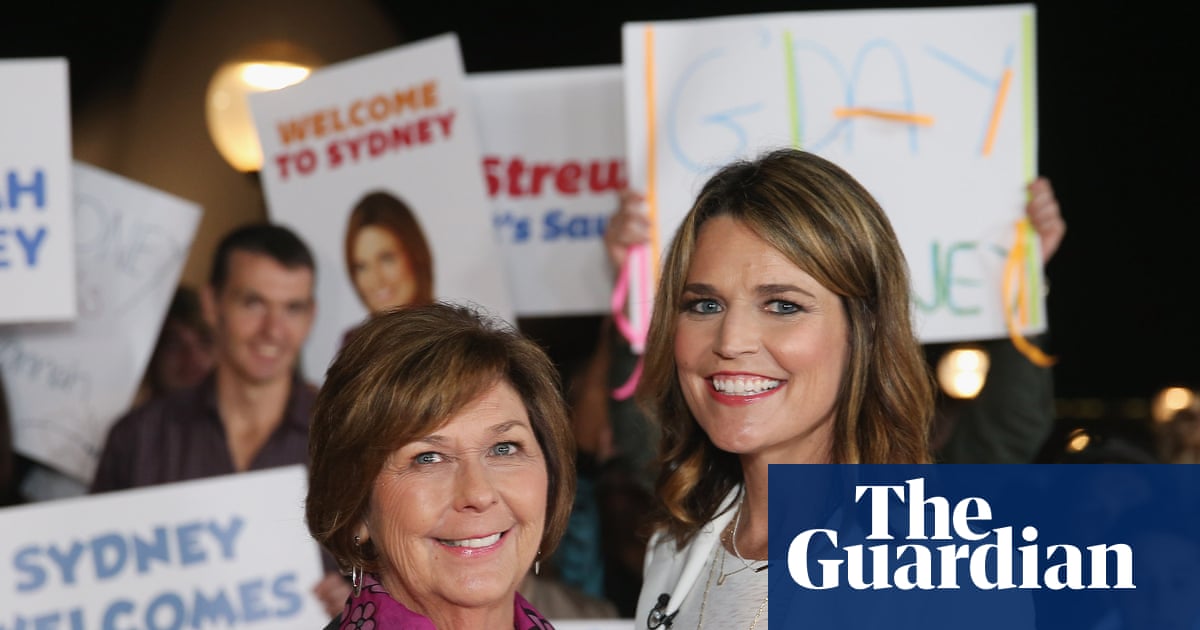
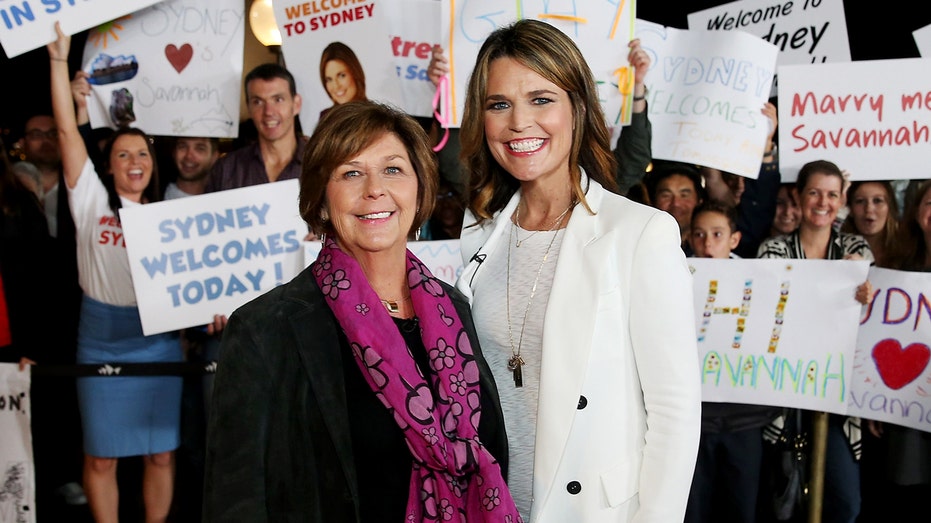
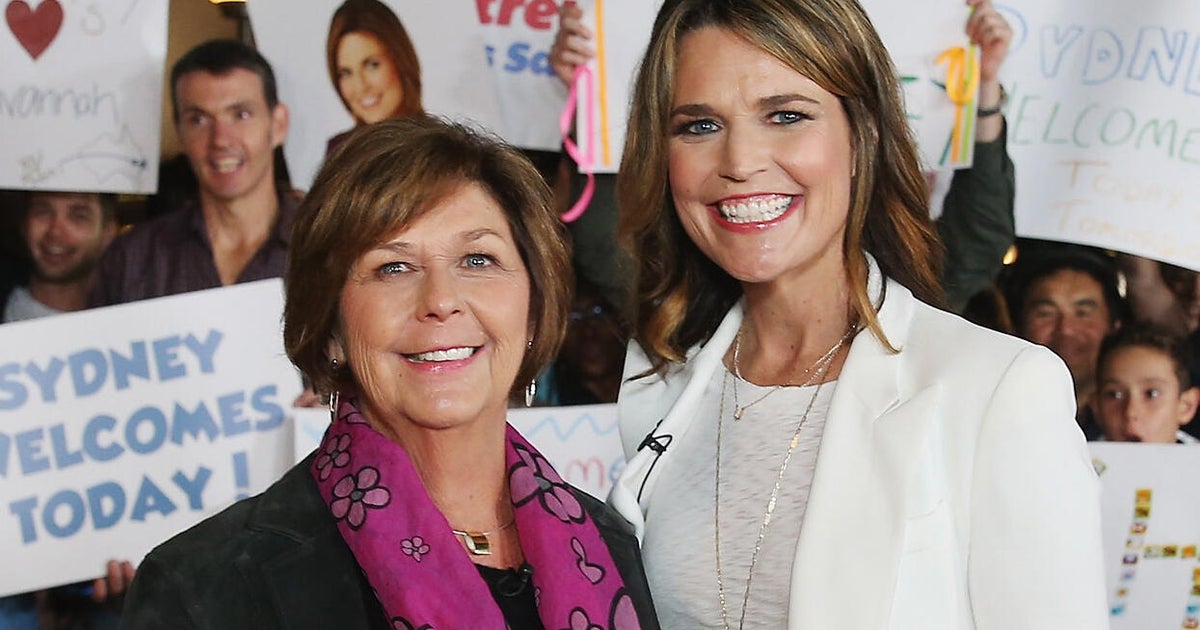
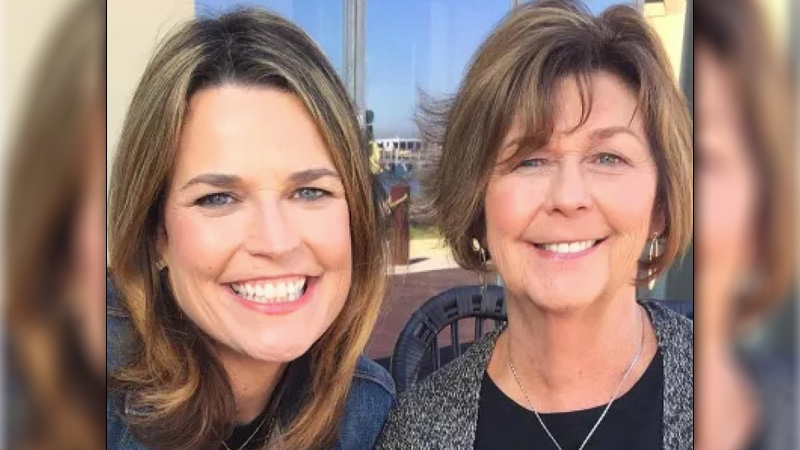
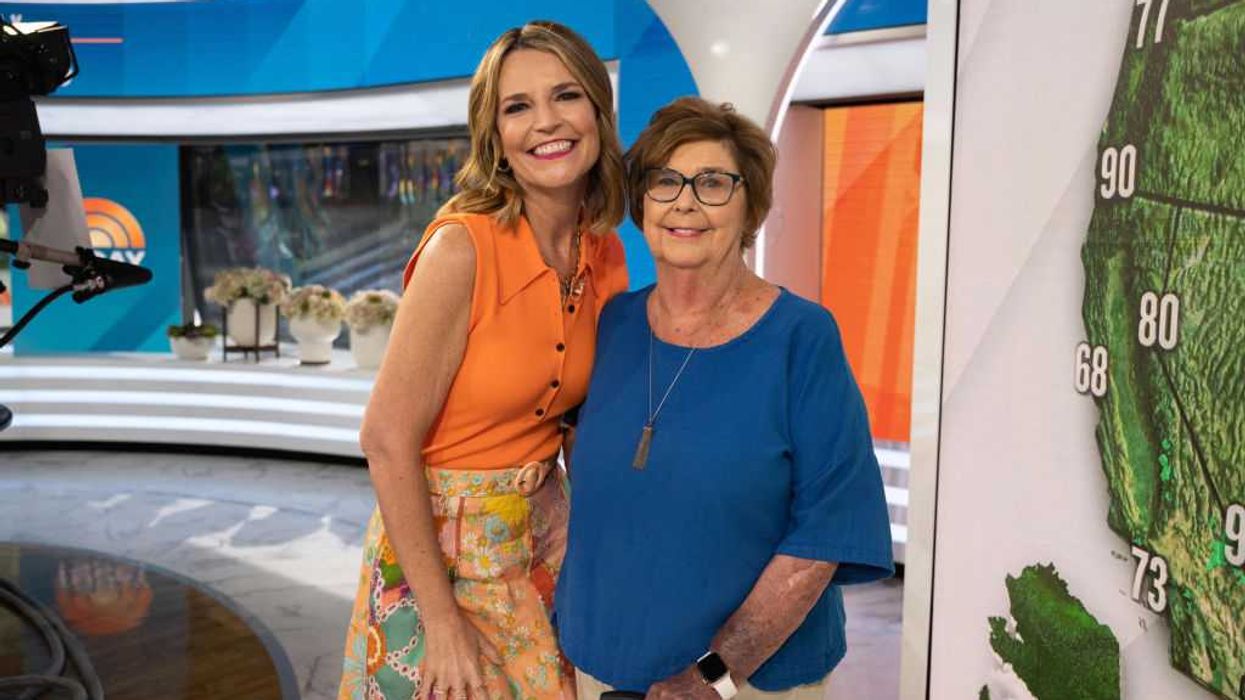
Nancy Guthrie, the 84-year-old mother of NBC “Today” co-host Savannah Guthrie, has been missing since Saturday evening from her home near Tucson, Arizona, in Pima County. Both liberal and conservative outlets agree that investigators are treating the case as a likely abduction and a criminal matter, citing signs of forced entry, blood found inside the home, and the fact that her car, phone, and other belongings were left behind. Authorities and the family say Nancy has limited mobility, no known cognitive impairment, and depends on daily, life-saving medication, making it unlikely she left voluntarily or wandered off. The Pima County Sheriff’s Department, assisted by the FBI and federal resources such as CBP tracking dogs, is conducting searches, reviewing surveillance footage, and analyzing cell phone data, while appealing to the public for tips and urging people not to spread unverified rumors.
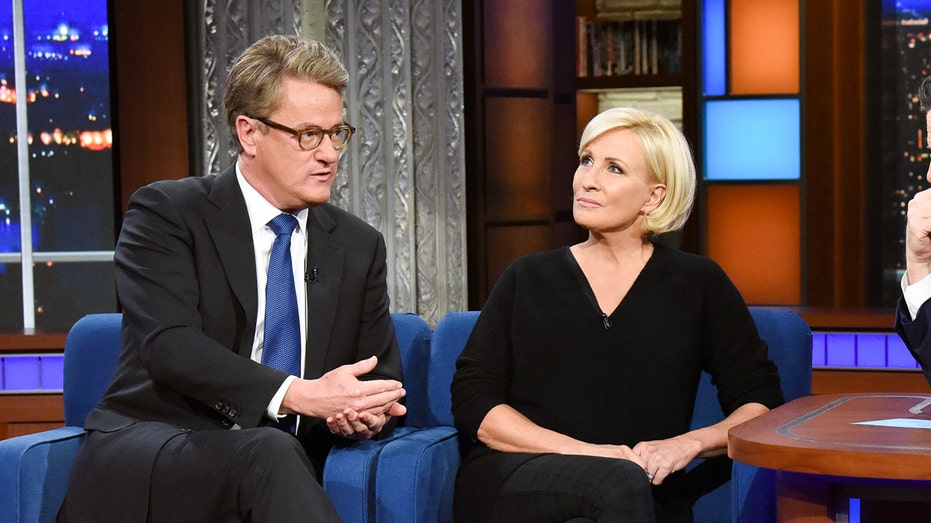
Coverage across the spectrum notes that Savannah Guthrie has used her media platform to plead for her mother’s safe return, ask for prayers, and publicly address whoever may be holding Nancy, saying the family is prepared to talk but needs proof of life. Liberal and conservative stories alike report on an anonymous ransom note received by a local news outlet and by TMZ, demanding a large Bitcoin payment and including specific details about the crime scene, which law enforcement and the FBI are investigating but have not authenticated publicly. Both sides highlight that, as of the latest reports, there are no named suspects or persons of interest, and that investigators are urgently focused on finding Nancy alive given her health needs. They also converge on the broader context of intense media attention—from “Today,” “Morning Joe,” and other outlets—and the temporary on-air adjustments, such as bringing in substitute hosts, while the search continues.
Areas of disagreement
Emphasis and framing. Liberal-aligned outlets tend to emphasize the investigative timeline and procedural details—how the ransom note reached a local station or TMZ, what forensics are being done inside the home, and how authorities are handling surveillance footage and digital evidence—often stressing caution about speculation. Conservative outlets more often frame the story around emotional resonance and narrative elements, spotlighting televised reactions, on-air tributes, and the human drama of Savannah Guthrie’s public appeals, sometimes folding the case into a broader sense of national concern. Both mention the same core facts, but liberals tend to present them as part of a developing criminal investigation, while conservatives more often shape them into a story of family, faith, and public solidarity.
Role of faith and public appeals. Liberal sources typically mention Savannah Guthrie’s request for prayers and her mother’s need for medication as one strand within a wider context of law enforcement updates and media ethics, keeping religious language relatively secondary. Conservative coverage elevates faith as a central theme, repeatedly describing Nancy Guthrie as a woman of faith and portraying Savannah’s reliance on prayer and spiritual strength as a primary lens through which audiences are invited to experience the case. While both acknowledge the family’s appeals, liberal coverage tends to frame them as media statements in a high-profile missing-person investigation, whereas conservative outlets highlight them as powerful expressions of religious belief and communal support.
Celebrity and political amplification. Liberal reporting generally keeps the focus on the investigation and the mechanics of the ransom note, with Guthrie’s celebrity status relevant mainly because it adds pressure and attention to the case, and political figures are not foregrounded. Conservative outlets are more likely to dwell on the media-world and political ripple effects—covering emotional reactions on shows like “Morning Joe,” the decision to replace Savannah Guthrie on Olympic coverage, and prominently noting former President Trump’s call to Guthrie as a symbol of high-level concern. Thus, liberal coverage treats celebrity and political involvement as secondary context, while conservative coverage uses these elements to underline the case’s visibility and emotional impact.
Attention to ransom note details and speculation. Liberal-aligned stories go deeper into the content and handling of the ransom note, stressing that authorities and the FBI are still verifying its authenticity and warning the public against unverified online theories, with an emphasis on not compromising the investigation. Conservative pieces mention the ransom demand and the possibility of kidnapping but generally devote less space to analytical caveats, focusing instead on the urgency of the search, the danger posed by Nancy’s medical needs, and calls for information. As a result, liberal coverage foregrounds uncertainties and procedural caution around the ransom communication, while conservative coverage foregrounds the immediate human peril and the mystery of who might be responsible.
In summary, liberal coverage tends to frame the disappearance primarily as a complex, evolving criminal investigation that demands procedural rigor and restraint, while conservative coverage tends to frame it as an emotionally charged story of faith, family, and national concern, accentuating public solidarity and high-profile attention.