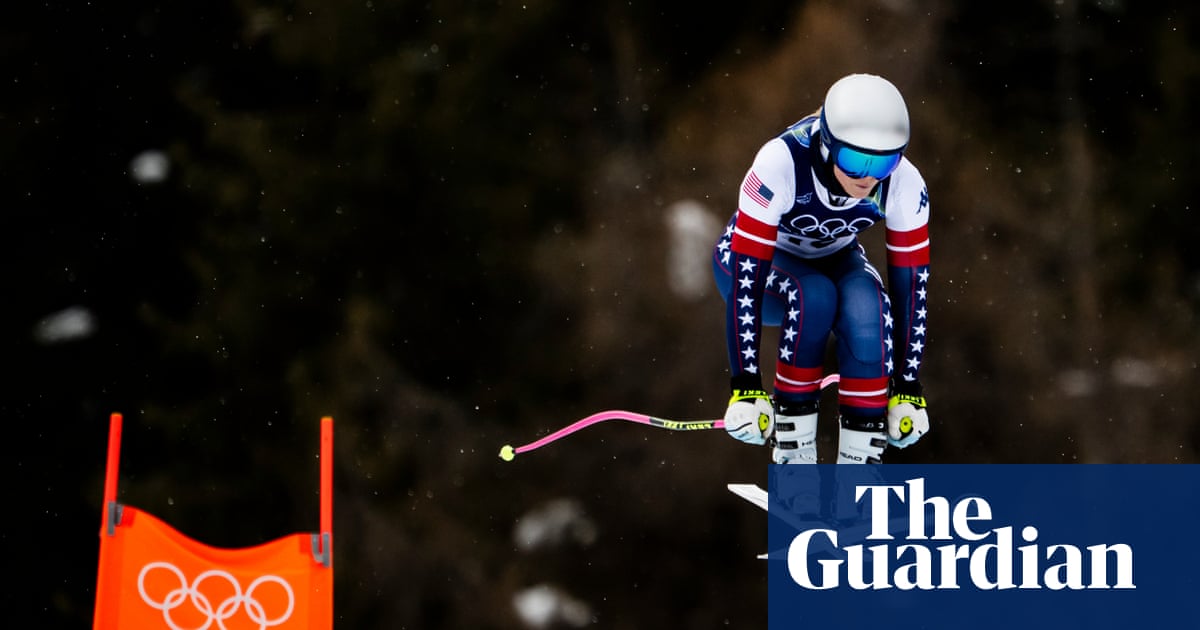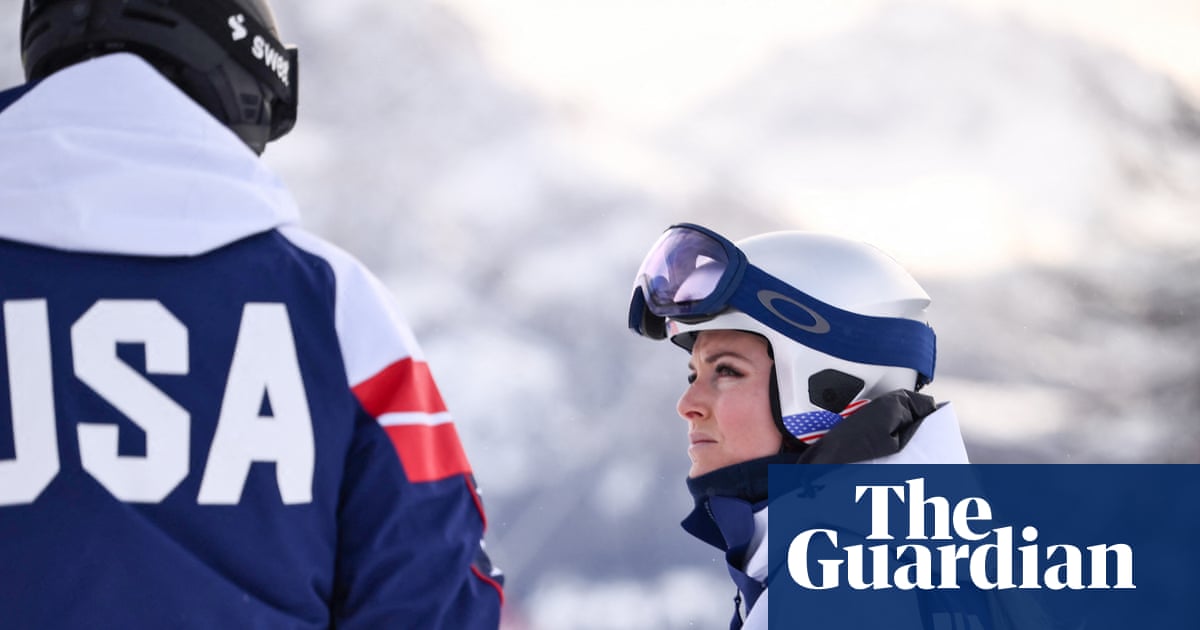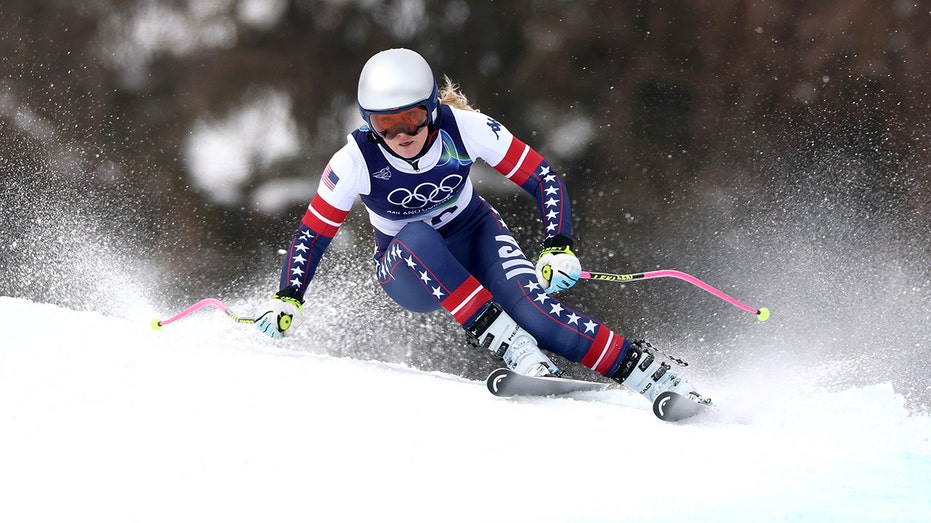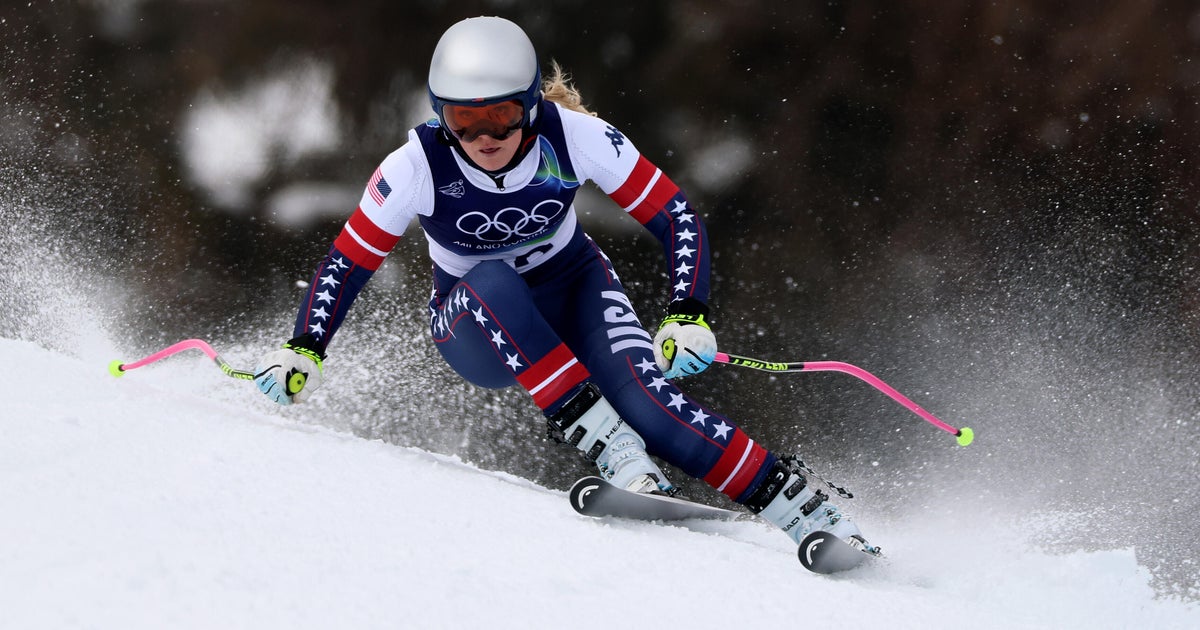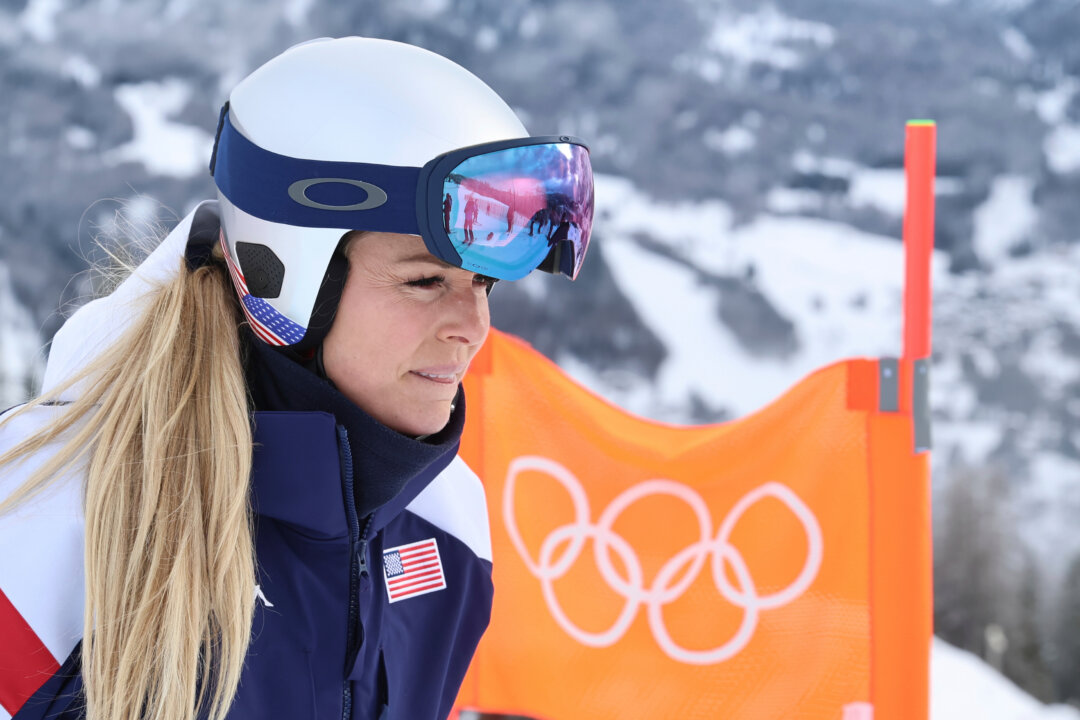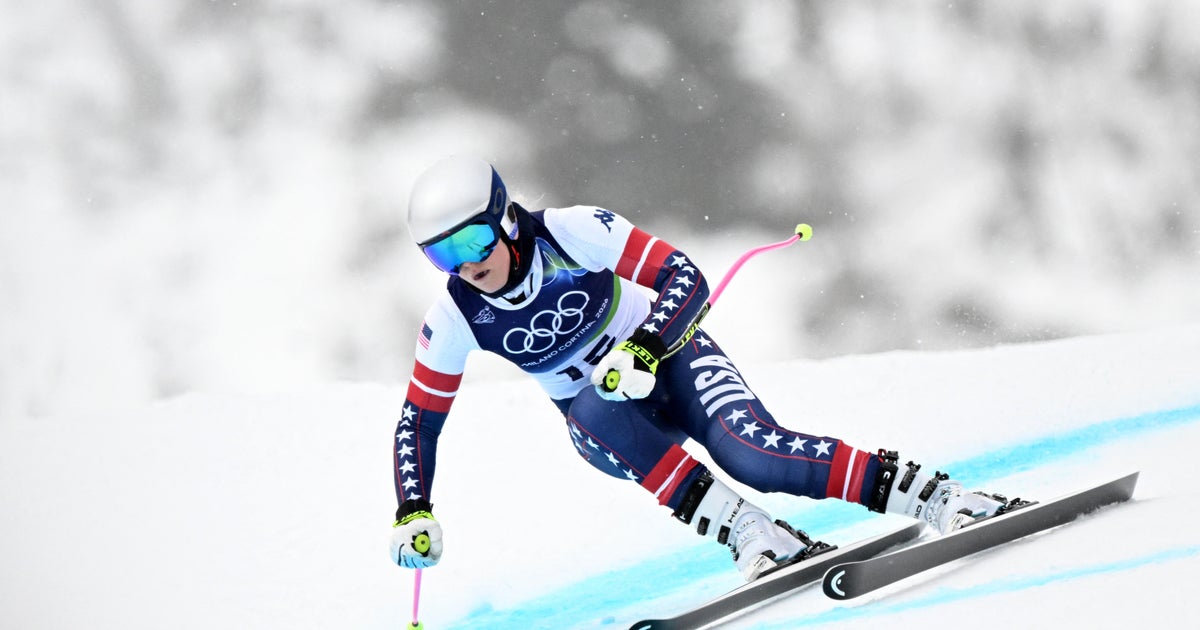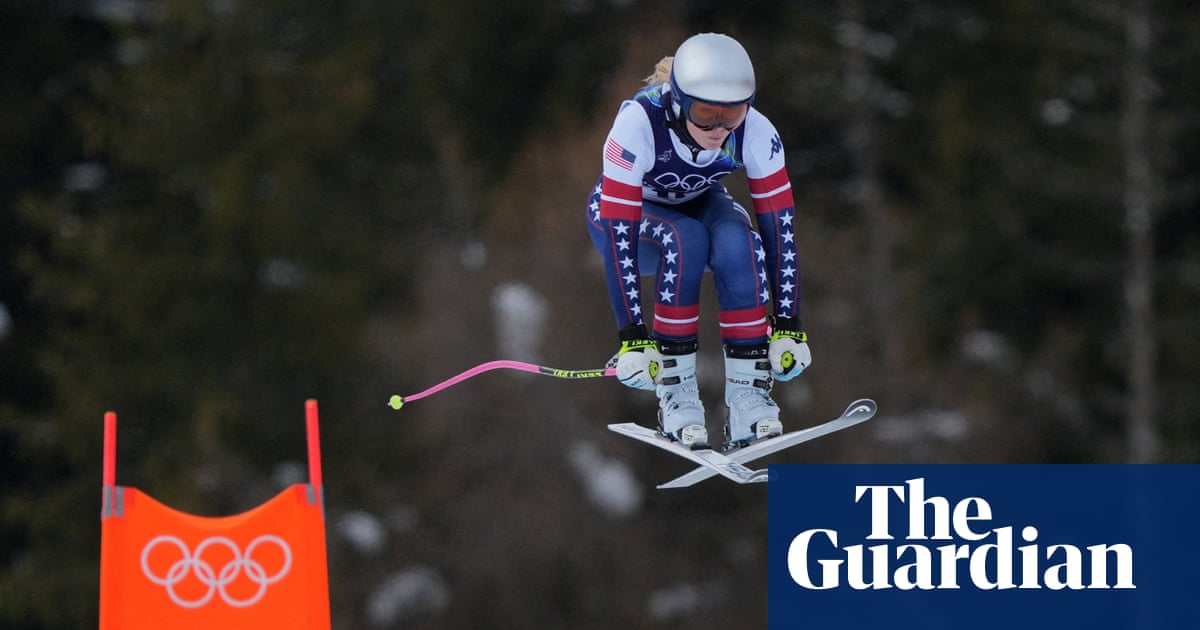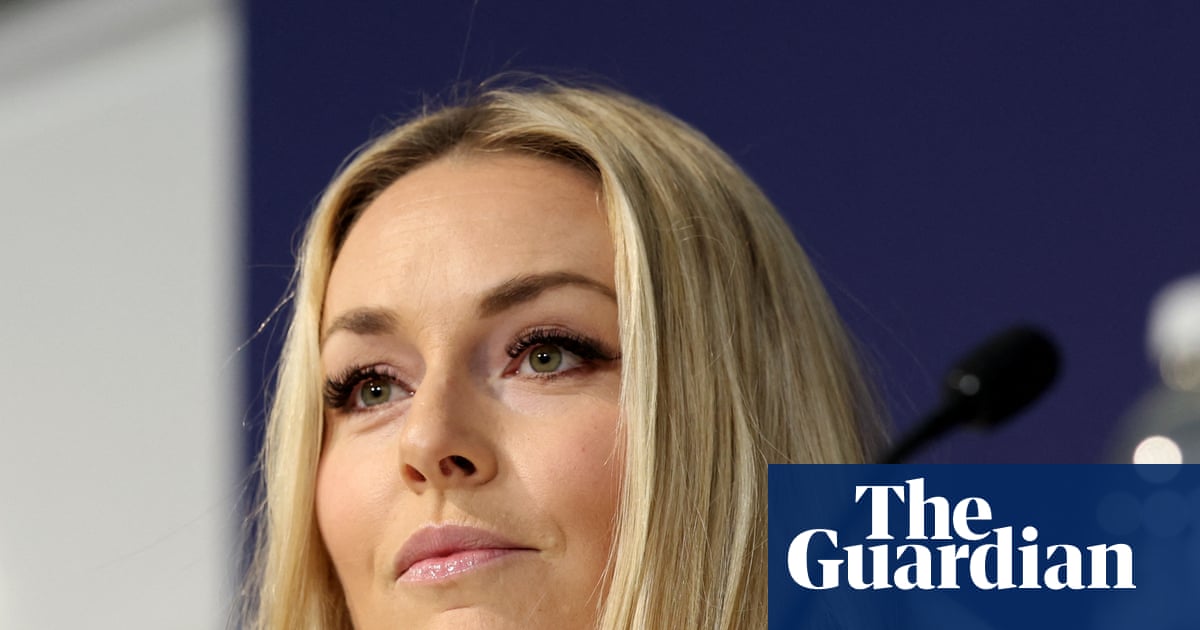




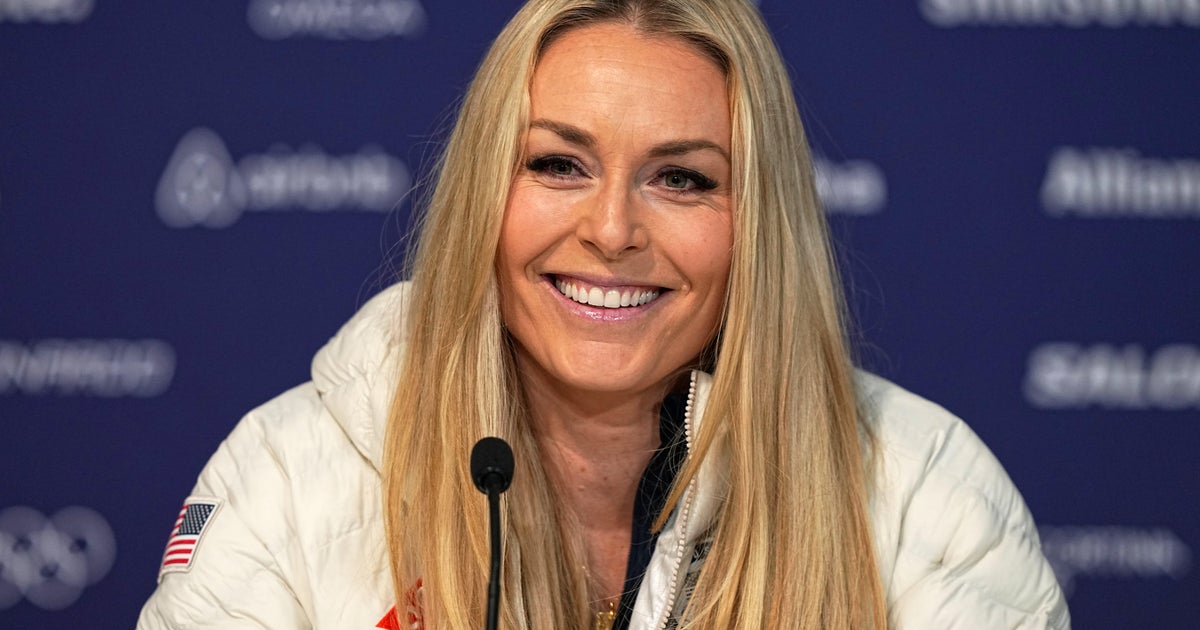
Liberal and conservative outlets agree that American alpine skier Lindsey Vonn, 41, completed at least one official downhill training run in Cortina d’Ampezzo roughly a week after suffering a crash that left her with a completely ruptured ACL in her left knee, bone bruising, and meniscal damage. Both sets of coverage note that she is wearing a knee brace, skiing aggressively but with some tactical caution, and that completing at least one training run is a prerequisite to qualify for the Olympic medal race scheduled for Sunday. Reports from both sides highlight that this is likely her final Olympics, that she finished mid-pack (around ninth to eleventh in training among a small field), and that her participation in the women’s downhill, super-G, and team combined events remains on the table, though competitive results are uncertain.
Across the spectrum, coverage situates this event within Vonn’s long history of high-profile injuries and comebacks, emphasizing her status as an all-time great in alpine skiing and a previous Olympic gold medalist. Both liberal and conservative outlets underscore that Vonn herself frames this as an "icing on the cake" phase of her career, focusing on taking advantage of one last Olympic opportunity rather than defining her life solely through racing. They describe the institutional context of the Milan–Cortina Winter Olympics, the significance of the Olimpia delle Tofane course, and the medical and performance risks of racing on a torn ACL. There is shared emphasis on her personal determination, the support and cautious optimism of U.S. skiing officials and coaches, and the broader narrative of an older athlete trying to become the oldest alpine skier to medal at a Winter Games.
Areas of disagreement
Risk and responsibility. Liberal-leaning outlets more often foreground the ethical and medical risks of racing on a fully ruptured ACL at age 41, amplifying expert and opinion voices that question whether she and the sport are pushing too far for one more medal. Conservative outlets, while acknowledging the severity of the injury, tend to frame the same decision primarily as an individual choice and a testament to personal grit, with less emphasis on systemic safeguards or federation responsibility. Where liberal coverage hints at the sport’s culture of risk-taking and asks if governing bodies should be more protective, conservative stories largely celebrate the comeback narrative and leave questions of medical prudence to Vonn and her team.
Age and gender framing. Liberal sources explicitly discuss ageism and gendered expectations, citing commentary that questions whether criticism of Vonn’s decision is partly rooted in discomfort with a woman competing hard into her 40s, and quoting Vonn pushing back that her life is bigger than ski racing. Conservative coverage tends to downplay structural critiques, presenting her age mainly as a remarkable statistic that magnifies her toughness rather than as evidence of bias or double standards. Thus, liberals integrate her comeback into broader debates about how older women athletes are treated, while conservatives keep the focus on individual achievement and resilience.
Tone toward risk versus inspiration. Liberal-aligned reporting gives substantial space to nuance: admiring Vonn’s courage and past comebacks while also highlighting worst-case injury scenarios and questioning whether "valiant" crosses into unnecessary danger. Conservative outlets generally use a more celebratory tone, emphasizing that she "stuns" in training, pumps her fist after runs, and is "confident" she can compete, with minimal discussion of long-term health trade-offs. Both see the story as inspirational, but liberal coverage is more ambivalent, whereas conservative coverage is more straightforwardly boosterish.
Broader narrative significance. Liberal coverage situates Vonn’s training run within a wider Olympic tapestry—mixed doubles curling, the atmosphere in Cortina, and conversations about athlete welfare reforms—using her story as one thread in a systemic discussion. Conservative outlets more often zoom in tightly on Vonn as a national icon, highlighting her past victories and pattern of succeeding at whatever she undertakes, and treating this comeback as another chapter in a familiar hero narrative. As a result, liberals tie the episode to institutional and cultural patterns in elite sport, while conservatives highlight patriotism, legacy, and a focus-on-the-race mindset.
In summary, liberal coverage tends to balance admiration for Vonn’s resilience with pointed questions about risk, ageism, and the responsibilities of sports institutions, while conservative coverage tends to frame her decision as an inspiring, individually driven comeback story that underscores personal toughness and national pride.