

conservative
Americans in line for more beef from Argentina
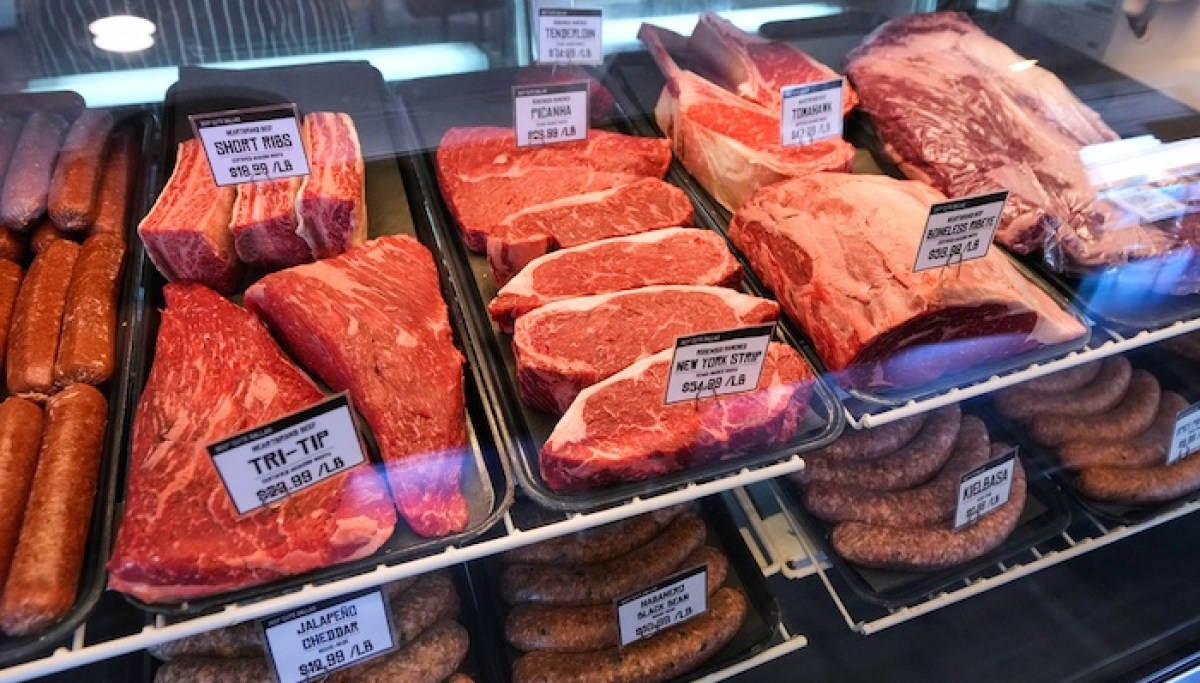
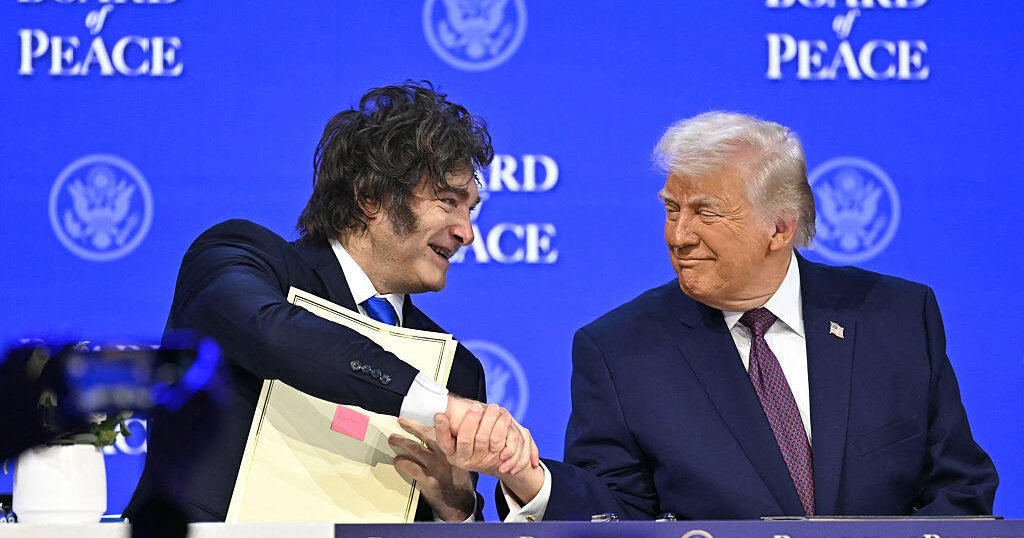
President Trump is allowing Argentina to send an additional 80,000 tons of beef to U.S. markets in an attempt to reduce sky-high consumer prices.
2 months ago
Trump has signed an executive order expanding U.S. beef imports from Argentina, with all outlets agreeing that the policy’s stated aim is to bring down high beef prices for American consumers by increasing supply. Both liberal and conservative coverage describe a sharp jump in import volumes, characterizing it as a roughly fourfold increase in allowable Argentine beef shipments to the United States, tied to a new or updated trade arrangement. Reports concur that the mechanism is an executive order issued by President Trump, that it centers on additional lean beef and beef trimmings from Argentina, and that the policy is framed by the administration as an effort to make beef more affordable and more plentiful in the U.S. market.
Across outlets, the move is situated within the broader context of U.S.–Argentina agricultural trade and the use of executive authority to manage imports and consumer prices. Coverage agrees that the administration is responding to elevated beef prices with a market-based approach that seeks to increase imports rather than impose price controls, while also adjusting tariffs or other trade terms with Argentina. Both sides acknowledge that this pits consumer price relief against potential concerns from domestic cattle producers, who face more competition from Argentine exporters under the expanded quota. There is shared recognition that the order reflects Trump’s willingness to use trade policy tools to intervene quickly in supply and pricing issues without waiting for lengthy congressional action.
Scale and framing of the increase. Liberal-leaning coverage tends to stress the headline idea of “quadrupling” imports and often cites the larger 100,000-ton figure, emphasizing how dramatic the shift is and highlighting the potential disruptive impact on U.S. ranchers. Conservative outlets more often reference an additional 80,000 tons and focus less on the multiple of increase and more on the practical outcome of greater supply on supermarket shelves. While both acknowledge a substantial expansion, conservatives frame it as a pragmatic adjustment to market conditions, whereas liberals treat the scale itself as a point of concern that could reshape the domestic beef industry.
Winners and losers. Liberal sources foreground the criticism from American cattle ranchers, portraying the order as a policy that may sacrifice rural producers’ livelihoods and bargaining power in favor of cheaper imports and trade concessions. They tend to emphasize the risk of undercutting domestic prices and concentrating benefits among large importers and processors. Conservative coverage, by contrast, largely centers on consumers as the primary winners, highlighting the prospect of lower prices and more plentiful beef, and pays comparatively little attention to distributional downsides for ranchers.
Motives and economic narrative. Liberal-aligned reporting often questions whether the move is a “misguided effort,” suggesting it reflects short-term political calculus to tame food inflation without tackling structural issues in the meatpacking industry. These accounts hint that the administration is favoring a trade quick-fix over longer-term reforms that could strengthen domestic producers and competition. Conservative sources portray the executive order as a straightforward, pro-market solution, casting Trump as acting decisively to alleviate cost-of-living pressures by leveraging international supply and trade flexibility.
Trade-policy context. Liberal coverage situates the decision within a broader story of uneven trade-offs in Trump-era trade policy, noting the removal of certain tariffs on Argentine goods and raising concerns that such deals may weaken U.S. leverage and expose domestic agriculture to volatility. Conservative outlets situate the move as a normal, even prudent, use of trade agreements to secure more favorable access to foreign products needed to stabilize prices, and they are less inclined to frame it as a concession. Where liberals see a pattern of potentially inconsistent or rancher-unfriendly trade policymaking, conservatives tend to see a targeted adjustment aligned with consumer and market interests.
In summary, liberal coverage tends to cast the Argentine beef import expansion as an overly aggressive trade maneuver that risks harming U.S. ranchers and reflects short-term thinking, while conservative coverage tends to present it as a sensible, market-based step by Trump to boost supply and reduce beef prices for American consumers.