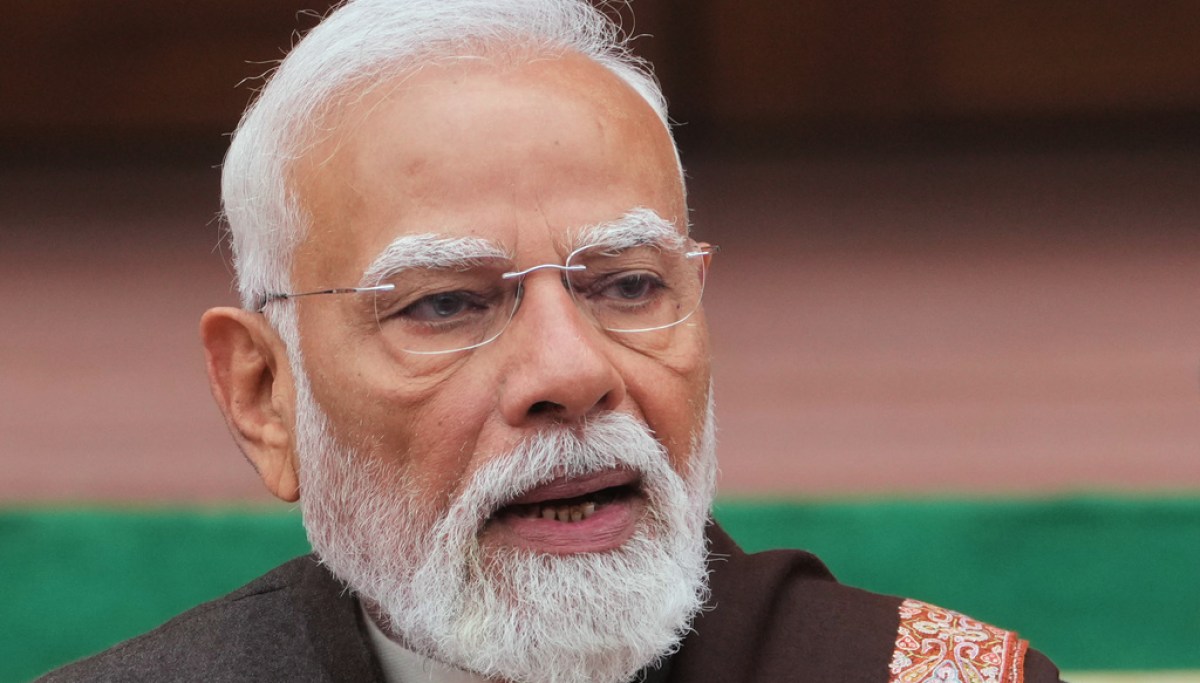
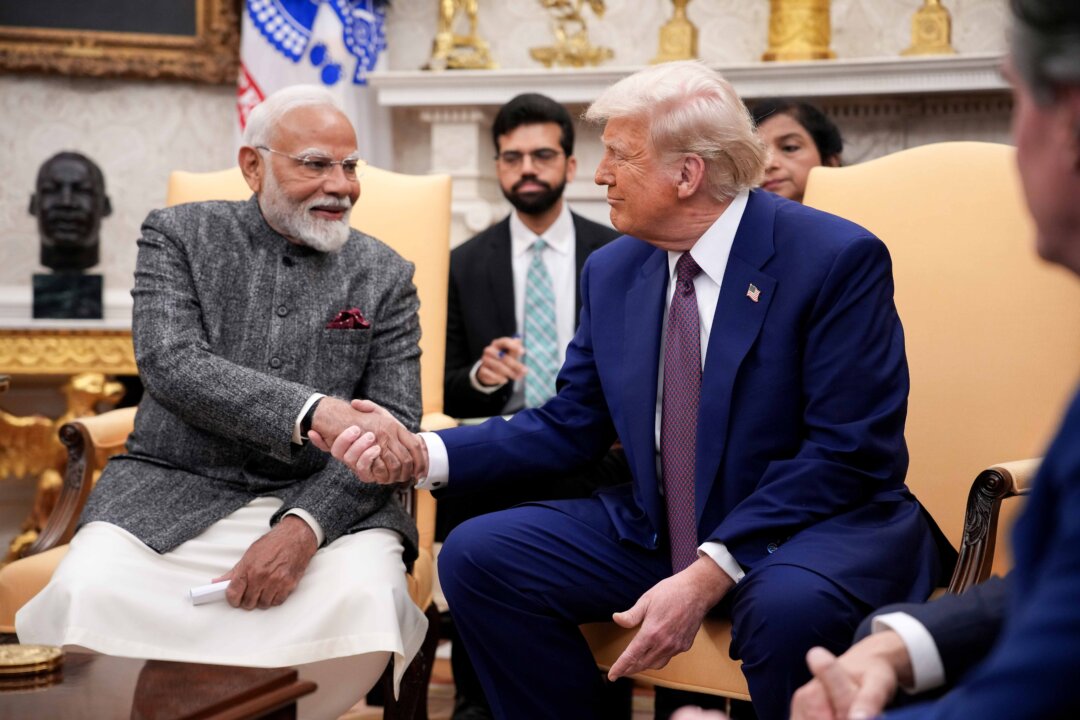
The United States and India have announced an interim trade agreement framework that both liberal- and conservative-leaning outlets describe as a step toward a broader, more comprehensive trade pact intended to lower tariffs and expand bilateral commerce. Coverage agrees that the framework focuses on reducing trade barriers on a range of goods, enhancing market access in both directions, and strengthening long-term economic cooperation after a period of trade frictions. Both sides report that India is expected to increase purchases of American products and open its markets wider to U.S. goods, while the United States will lower or remove certain tariffs previously imposed on Indian imports. The deal is framed across outlets as an important milestone in U.S.-India economic relations, with aims that include fostering technological cooperation and improving overall trade ties.
Common context across liberal and conservative reports emphasizes that this framework is interim and intended to lead to a broader, more detailed agreement over time rather than an immediate, fully-fledged free trade deal. Outlets on both sides note that the pact sits within a larger strategic effort to deepen U.S.-India ties, including economic security, supply-chain resilience, and geopolitical alignment. They agree that tariff reductions and preferential market access are being used as tools to encourage closer economic integration and to resolve or de-escalate recent trade disputes. There is also shared acknowledgement that the agreement touches on energy and industrial cooperation, with implications for how India sources energy and how both countries position themselves in global markets.
Areas of disagreement
Economic scale and benefits. Liberal-aligned coverage centers on tariff changes and sectoral trade flows, portraying the framework as lowering tariffs on industrial and agricultural goods while noting that most Indian imports to the U.S. will still face around an 18 percent tariff. Conservative outlets, by contrast, highlight a headline figure of a $500 billion Indian investment in U.S. industries over five years and characterize the pact as a historic boost to American economic interests. Liberal sources tend to describe mutual gains in more measured terms and avoid large, celebratory investment numbers, while conservative sources stress magnified benefits for U.S. workers and industries and present the deal as a signature economic achievement.
Tariffs and leverage. Liberal reporting depicts the U.S. as maintaining substantial tariff levels on most Indian imports, framing the framework as a calibrated adjustment rather than a sweeping rollback of trade protections. Conservative coverage, however, emphasizes the removal of a 25 percent punitive tariff on all imports from India, presenting this as a key concession by the U.S. that reflects diplomatic leverage and successful negotiation. While liberals frame tariff policy as a balanced tool to manage trade flows and protect domestic interests, conservatives highlight the lifting of punitive measures as proof of a successful bargain that extracted significant concessions from India.
Russia and energy ties. Liberal-leaning sources mention India’s reduced reliance on Russian oil as an important but somewhat indirect dimension of the framework, noting that this shift is not clearly spelled out in official documents and remains more of an implicit expectation. Conservative sources are far more explicit, stating that India agreed to halt purchases of Russian oil outright as part of the interim deal, casting the trade framework as a mechanism for aligning India more closely with U.S. geopolitical goals. As a result, liberal coverage portrays the Russia angle as a nuanced, partly unstated backdrop to the trade talks, whereas conservative coverage treats it as a central, concrete concession won by the United States.
Political credit and historic framing. Liberal coverage frames the agreement as a continuation of an evolving U.S.-India partnership and institutional trade diplomacy, downplaying any single leader’s role in favor of systemic and strategic factors. Conservative outlets, by contrast, explicitly credit the Trump administration, describing the agreement as a historic milestone and a signature success in rebalancing trade and enhancing economic security. Where liberal sources broadly contextualize the deal within long-term trends in U.S.-India relations, conservative sources use more triumphal language and place stronger emphasis on leadership, accountability, and domestic political validation.
In summary, liberal coverage tends to portray the interim framework as a cautious, institution-driven step toward deeper U.S.-India integration with nuanced economic and geopolitical implications, while conservative coverage tends to cast it as a historic, leader-driven breakthrough that secures large-scale economic gains for the United States and forces clearer strategic alignment from India.