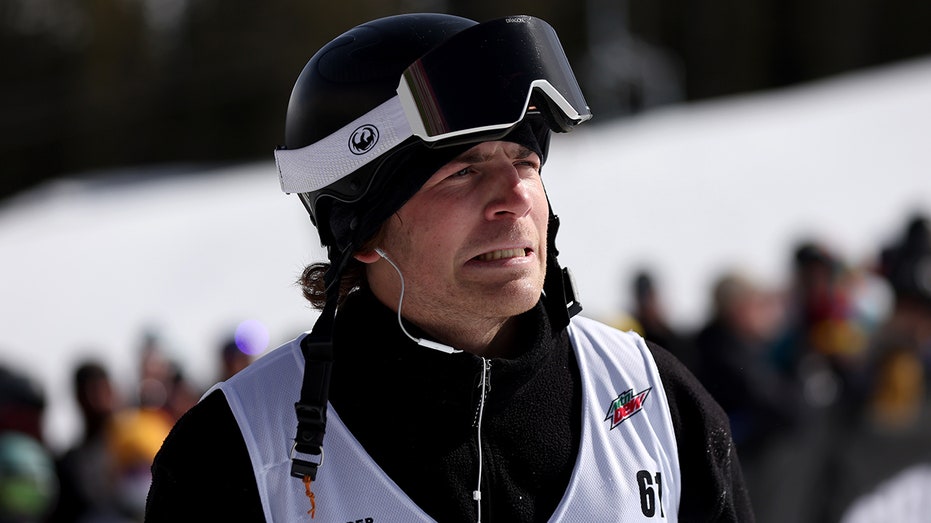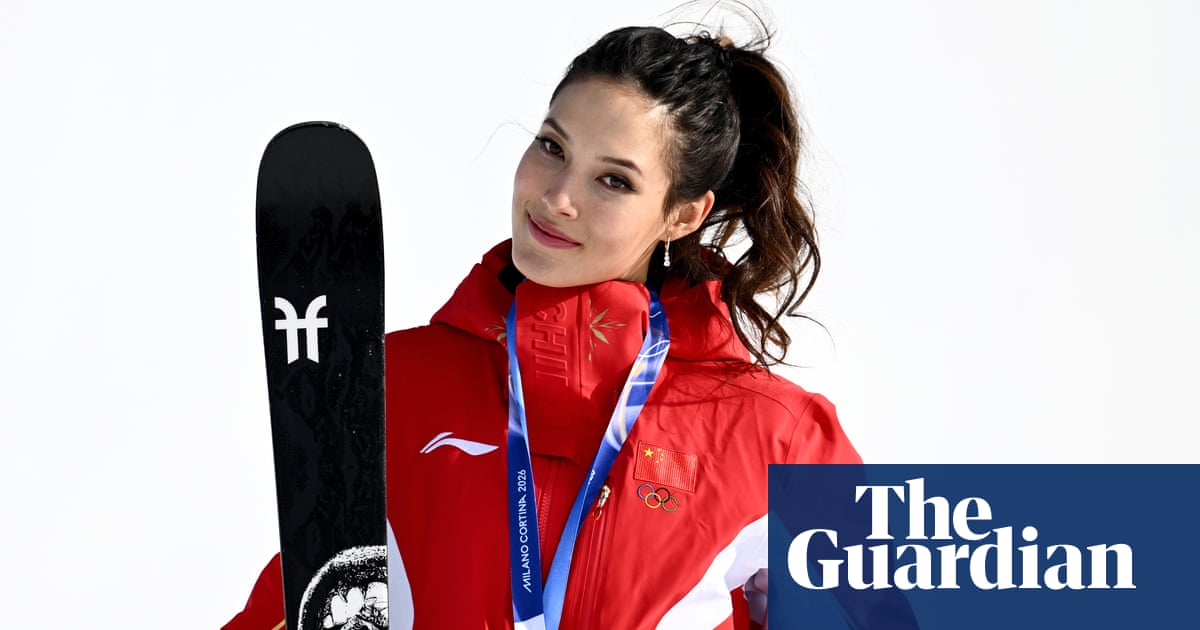

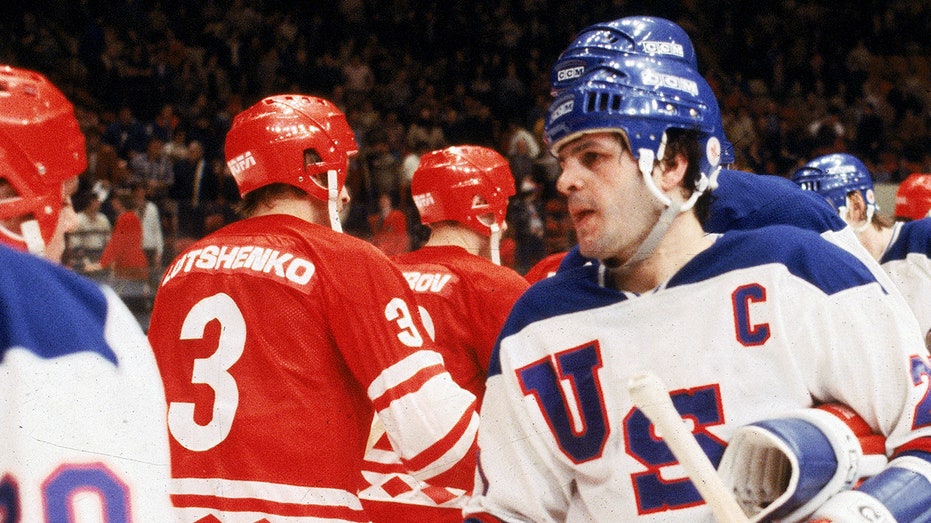
U.S. freestyle skier Hunter Hess, a member of Team USA heading to the 2026 Winter Olympics in Milan-Cortina, gave interviews in which he said he had “mixed emotions” and even “heartbreak” about representing the United States, citing current events such as ICE and immigration crackdowns and saying he does not “represent everything that’s happening in the U.S.” but rather his values, friends, and family. Former President Donald Trump reacted on Truth Social by calling Hess a “real loser,” suggesting he should not have tried out for Team USA if he feels that way, and his criticism was echoed by 1980 “Miracle on Ice” captain Mike Eruzione and parts of the conservative media ecosystem; after the backlash, Hess issued a follow-up statement affirming that he loves the country and is excited to compete for the U.S. While this was unfolding, other Olympians including Chloe Kim, Eileen Gu, and members of the women’s halfpipe snowboarding team spoke publicly in support of Hess and against the vitriol directed at him, and politicians such as Senator Bernie Sanders also weighed in, defending his right to criticize U.S. policies while still being called a “proud American.”
Coverage across the spectrum situates the controversy within a broader pattern of U.S. athletes speaking about politics and national policy on the Olympic stage, especially immigration enforcement and civil rights, and then facing waves of online backlash and partisan interpretation. Both liberal and conservative outlets acknowledge that the episode has become a flashpoint in a recurring debate over what it means to represent the United States in international sport, including tensions between patriotism, dissent, and free expression, and they agree that Trump’s comments have amplified a preexisting cultural rift between those who favor uncritical displays of national pride and those who see critique as consistent with American values.
Areas of disagreement
Framing of Hess’s comments. Liberal-aligned outlets tend to frame Hess’s “mixed emotions” as a thoughtful, values-based response to distressing policies like ICE crackdowns, highlighting his focus on universal rights and his desire to represent a better America. Conservative coverage more often characterizes the same remarks as whining, anti-American, or disrespectful to the flag and to past Olympians, emphasizing that he chose to wear the USA uniform. While liberals stress the nuance and emotional complexity in his statements, conservatives focus on the perceived ingratitude and the symbolic weight of criticizing the country at a global event.
Portrayal of Trump’s role. Liberal sources depict Trump’s Truth Social attack—calling Hess a “real loser” and suggesting he should stay home—as an overreaction that bullies a young athlete and chills legitimate political speech, often noting a pattern of Trump targeting athletes who dissent. Conservative outlets more frequently frame Trump’s comments as a justified defense of national honor and of traditional patriotism, positioning him alongside figures like Mike Eruzione as speaking for ordinary Americans offended by Hess’s ambivalence. Where liberal reporting stresses the power imbalance and harsh rhetoric, conservative reporting highlights Trump as a voice calling out perceived disrespect.
Patriotism and dissent. Liberal coverage presents Hess, and those defending him such as Bernie Sanders, Chloe Kim, and Eileen Gu, as embodying a form of patriotism that includes criticizing government policies while still loving the country, explicitly reinforcing that America is not a monarchy and that athletes need not “bow down” to a president. Conservative coverage more often treats unquestioned pride and unity under the flag as the core of patriotism, arguing that public criticism of U.S. actions by Olympians undermines team cohesion and national image, and suggesting those with “mixed emotions” should not compete for Team USA. Thus, liberals conflate dissent with democratic values, while conservatives draw a sharper line where public critique during the Games is seen as crossing into disloyalty.
Role of other athletes and the Games themselves. Liberal-leaning outlets highlight solidarity from athletes like Kim, Gu, and the women’s halfpipe team, using their statements about unity, compassion, and freedom of expression to argue that sport should bring people together and can be a platform for social conscience. Conservative outlets give more weight to voices like Eruzione and to segments of the public that say politics should be kept out of the Olympics, warning that protests, booing, and symbolic acts (like Gus Kenworthy’s snow protest) distract from competition and disrespect the nation. As a result, liberals emphasize the Games as a legitimate venue for value-based speech, while conservatives emphasize depoliticization and respect for national symbols as the proper Olympic ethos.
In summary, liberal coverage tends to view Hess’s remarks as a legitimate, even principled, exercise of free expression and a form of critical patriotism that has been unfairly attacked by Trump and his allies, while conservative coverage tends to treat his ambivalence as an affront to national pride that justifies Trump’s sharp rebuke and a call for athletes to show more unambiguous loyalty when wearing the U.S. uniform.
Story coverage