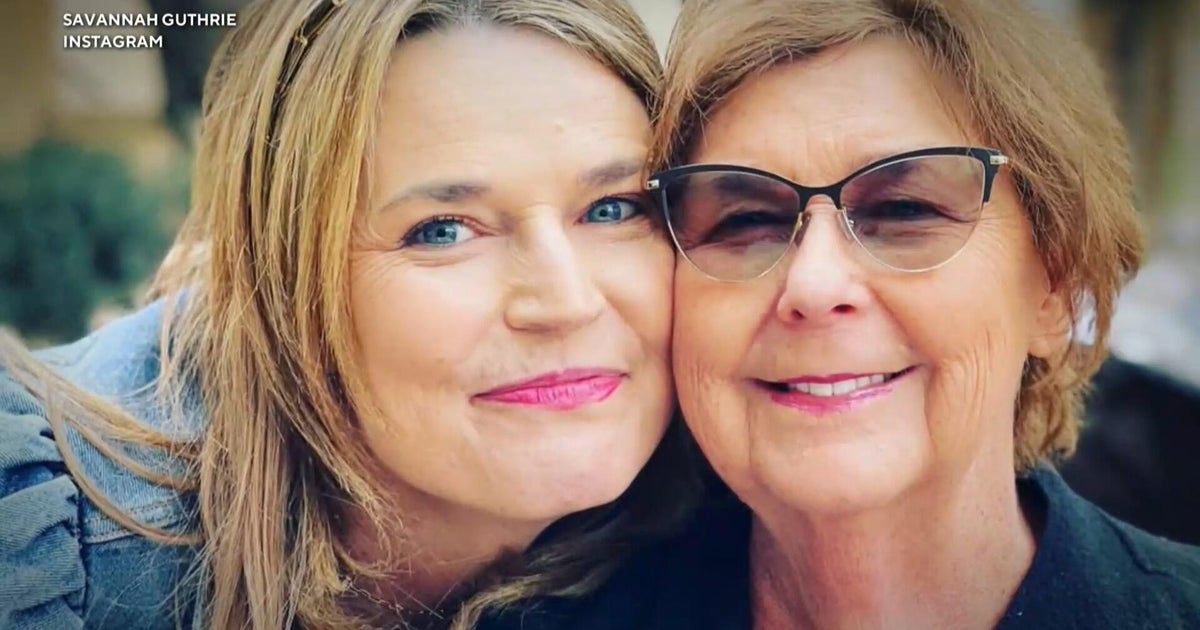
Nancy Guthrie, the 84-year-old mother of “Today” show anchor Savannah Guthrie, disappeared from her Tucson-area home on January 31 and is widely treated by both liberal- and conservative-leaning outlets as an apparent abduction and ongoing missing-person case. Both sides report that blood droplets were found at or near her home, that multiple ransom communications have surfaced demanding payment in bitcoin, and that at least one note claims she is alive but scared and aware of a roughly $6 million demand. Coverage agrees that the family has publicly pledged to pay to secure her return, that no confirmed proof of life has been received, that a vehicle was towed from the property, and that investigators are examining surveillance footage and potential leads, including a Circle K vehicle of interest. Both liberal and conservative sources note strong federal involvement, including FBI participation and a $50,000 reward for information, and highlight that President Trump has said authorities have “very strong” clues and that the case may be solved soon.
Across the spectrum, outlets describe an investigation blending traditional police work with modern technical challenges such as AI, cryptocurrency tracing, and digital forensics. They emphasize the same institutional players—the Pima County Sheriff’s Office, the FBI, the Department of Justice, and Savannah Guthrie’s church community—working in parallel, along with coordinated public appeals for tips. There is agreement that bitcoin payments can be traced via the blockchain, especially if criminals use regulated exchanges, and that investigators are carefully vetting ransom notes to separate credible threats from hoaxes, one of which has already led to an arrest. Liberal- and conservative-leaning coverage both situate the case within broader concerns about high-profile kidnappings, online “armchair detective” speculation, and the strain on a family whose private trauma has become a national story, while underscoring that, as of now, no suspect has been publicly named and the outcome remains uncertain.
Areas of disagreement
Law-enforcement performance. Liberal-aligned outlets dwell on alleged missteps by the Pima County Sheriff, stressing the delayed deployment of a thermal-imaging aircraft and the premature release of the home as a crime scene as serious leadership failures that may have cost investigators crucial hours and evidence. Conservative sources largely avoid detailed criticism of local authorities, instead highlighting ongoing law-enforcement efforts, towing of vehicles, active ransom-letter vetting, and federal coordination as signs of a robust response. Where liberal coverage frames the timeline around avoidable errors and institutional accountability, conservative coverage frames it around steady progress and confidence that authorities are closing in on a suspect.
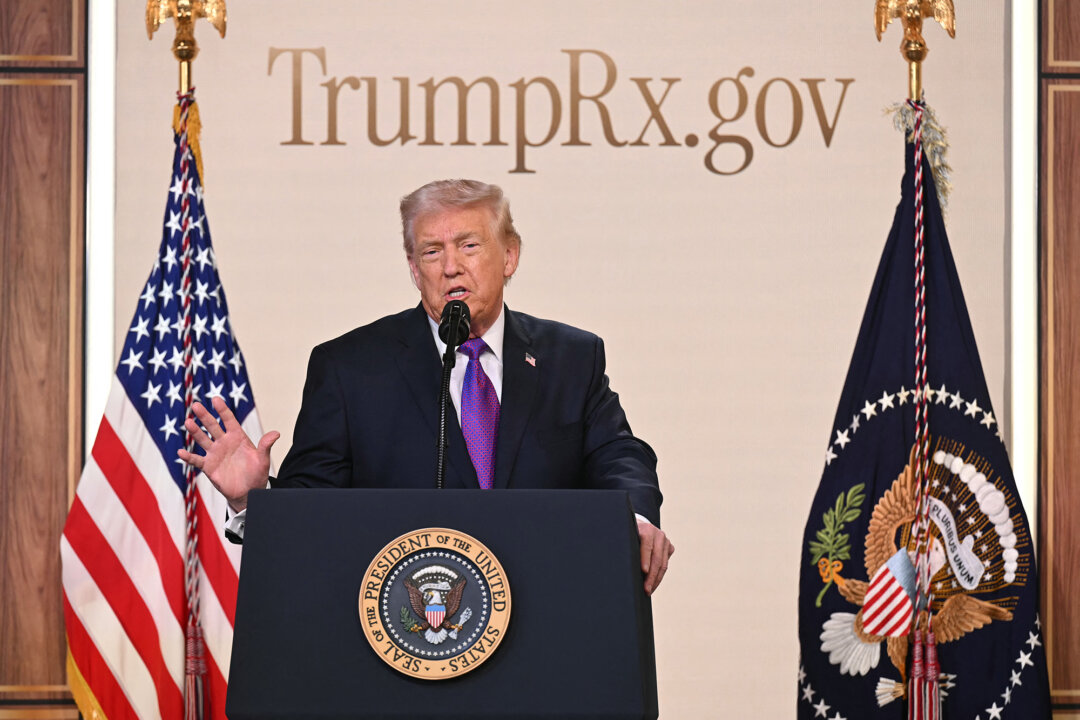
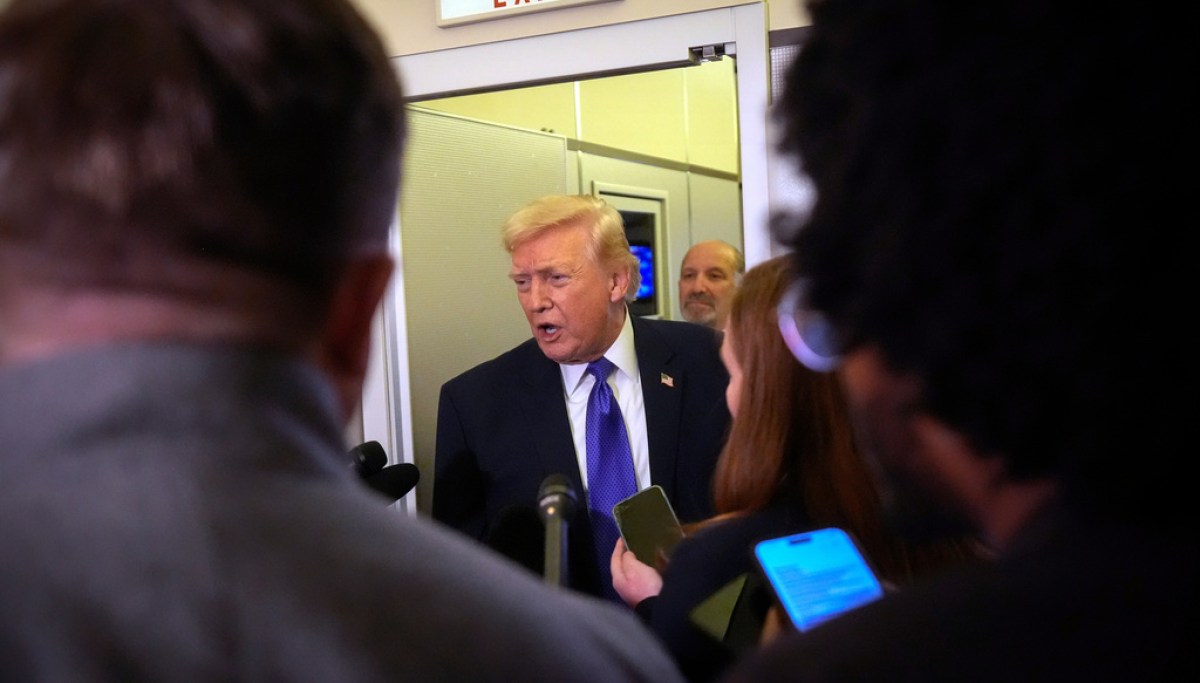
Political framing and Trump’s role. Liberal-leaning stories mention Trump’s comments about “very strong” clues but often tuck them into broader reporting about leads and investigative techniques, treating his remarks as one element among many and sometimes hinting at media and political ramifications. Conservative outlets, by contrast, more prominently feature Trump’s statements and link the case to his broader law-and-order image, occasionally pairing coverage of the disappearance with items about his administration initiatives such as prescription-drug pricing. As a result, liberal coverage tends to present the case as institutionally driven and technocratic, while conservative coverage more readily connects it to national political leadership and presidential assurance.
Media and public reaction. Liberal sources scrutinize media behavior and the narrative environment, suggesting national outlets may be unprepared for how complex, and potentially embarrassing, the emerging facts could be, and briefly veering into commentary about broader cultural controversies. Conservative coverage more often analyzes the media through the lens of Savannah Guthrie’s dual role as journalist and story subject, noting how “Today” has downplayed its own involvement, and it devotes more attention to the explosion of social-media “armchair detectives” and what that says about online culture. Where liberal reporting hints that coverage itself may soon face uncomfortable questions, conservative outlets focus on the balancing act between tasteful reporting, public fascination, and Guthrie’s on-air persona.
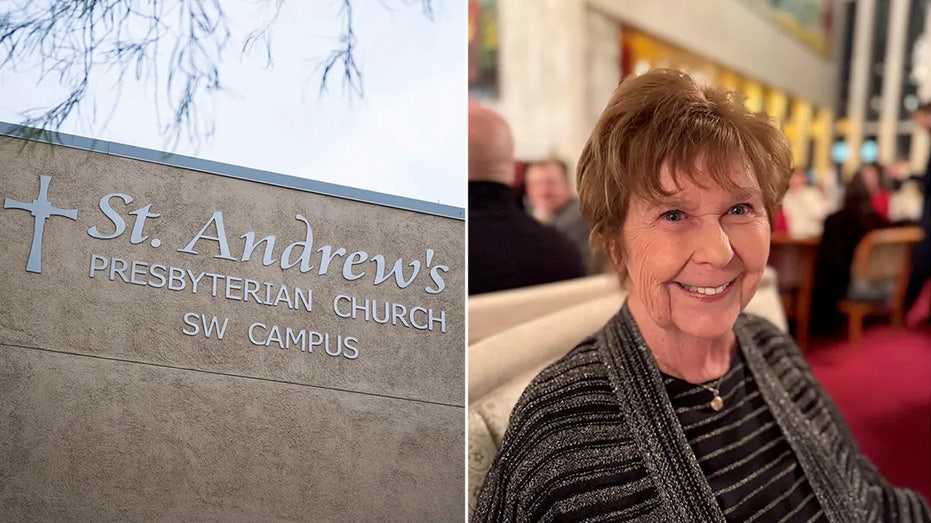
Moral and community framing. Liberal-leaning outlets emphasize technological, procedural, and institutional angles—cryptocurrency traceability, AI-related challenges, and investigative tactics—while treating community and faith elements as background. Conservative sources give more space to Guthrie’s church, congregational prayers for guidance of the authorities and for the perpetrators’ hearts, and framing the crisis as an “hour of desperation” that calls for communal solidarity. Thus, liberal accounts read more like system- and process-focused crime reporting, whereas conservative accounts lean into moral, religious, and communal narratives alongside the facts of the case.
In summary, liberal coverage tends to frame the Guthrie disappearance through institutional performance, investigative technology, and potential law-enforcement lapses, while conservative coverage tends to stress law-and-order momentum, community and faith responses, Trump’s assurances, and the media’s handling of one of its own as a news subject.