
conservative
Takaichi's Ruling Bloc Wins Landslide Election in Japan's Lower House
In Japan's two-chamber parliament, the lower house has more power, giving it more control over governing policy.
2 months ago
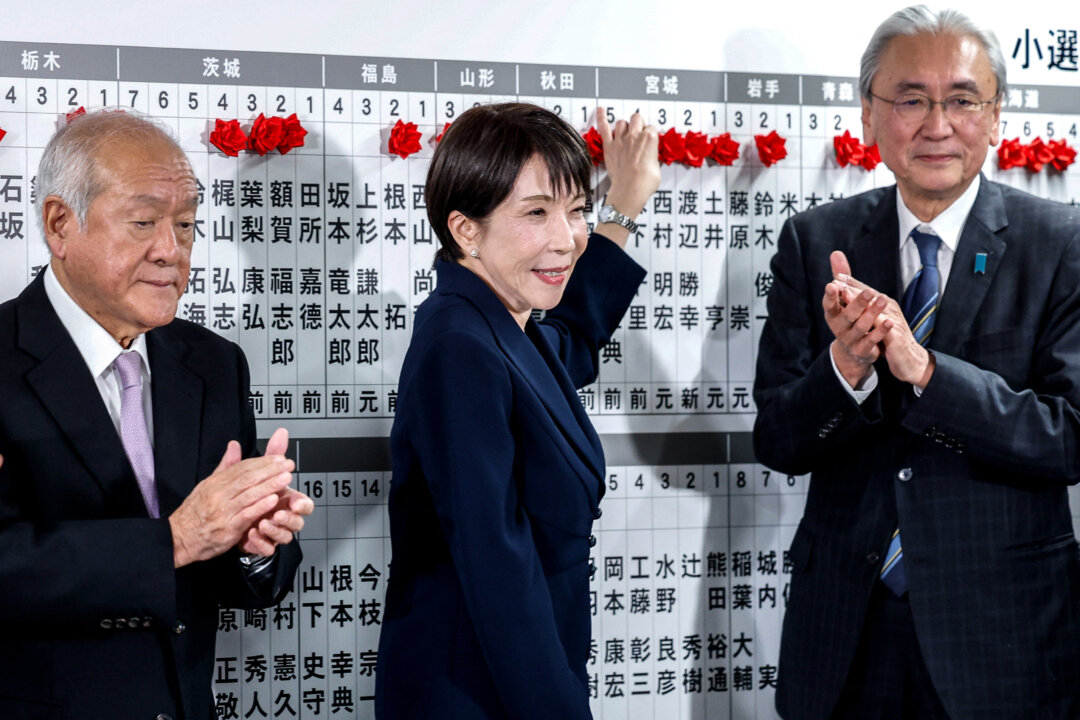
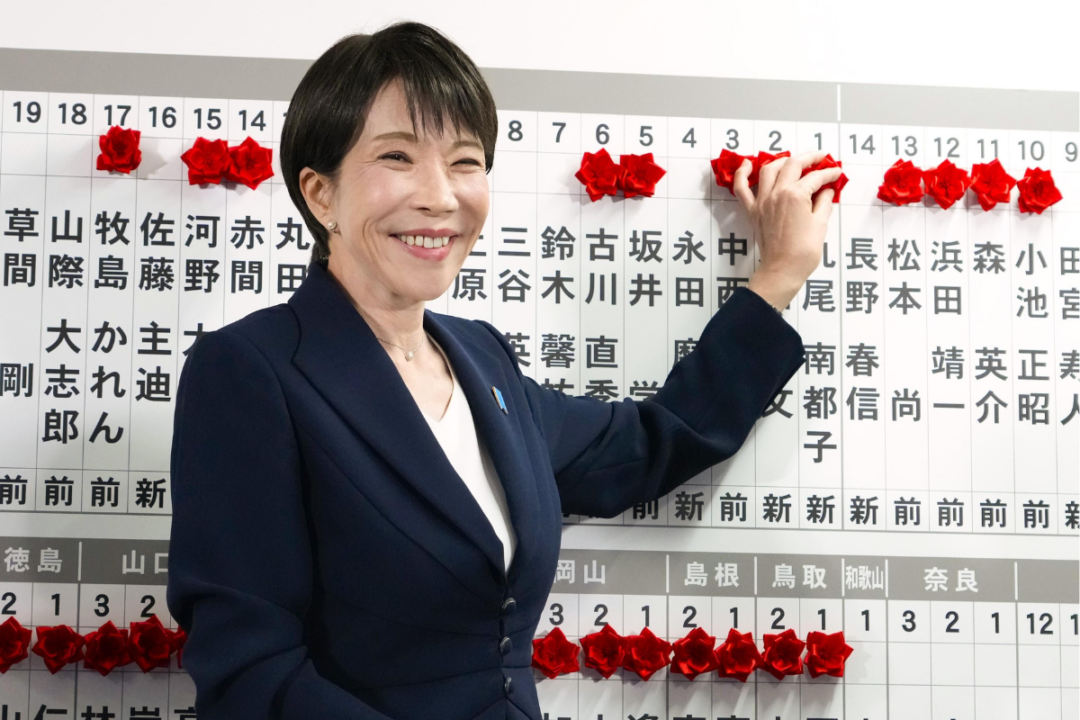
Prime Minister Sanae Takaichi’s ruling Liberal Democratic Party and its allies scored a decisive victory in a snap election for Japan’s lower house, securing a single-party majority that expands into a two-thirds supermajority. Both liberal and conservative outlets agree that the vote took place on a Sunday in a high-stakes early election that tested Takaichi’s relatively new leadership, and that the LDP captured around 316 of the 456 seats in the lower house, giving her a historic mandate. Coverage on both sides notes that this outcome solidifies her control of the Diet’s more powerful chamber and was quickly reflected in financial markets, with the Nikkei 225 and the broader Topix hitting record levels and Japanese equities rallying sharply in the aftermath.
Across the spectrum, reports situate the result within Japan’s longer-term political and economic trajectory, noting that a two-thirds supermajority is a milestone not seen since shortly after the LDP’s founding in 1955. Outlets concur that investors are reacting to expectations of continuity and expansion in pro-growth economic policies under Takaichi, including tax changes and structural reforms that could affect the yen, corporate earnings, and defense-related industries. Shared context emphasizes Japan’s role as a major advanced economy whose domestic political stability influences wider Asian and global markets, and frames the election as both a confidence vote in Takaichi’s leadership and a platform for her to pursue a more ambitious policy agenda over the coming years.
Economic framing. Liberal-aligned coverage emphasizes the market reaction as evidence of investor optimism about growth-oriented reforms and monetary-policy continuity, placing Takaichi’s win in the context of global equity rallies and cross-border capital flows. Conservative coverage stresses the result as a public endorsement of her specific tax-cut and pro-business agenda, presenting the stock surge as validation of conservative economic management rather than broader macro conditions. Liberal sources are more likely to note potential side effects, such as yen dynamics and distributional impacts, while conservative outlets highlight competitiveness, deregulation, and business confidence.
Ideological mandate. Liberal sources describe the outcome primarily as a historic electoral mandate that boosts policy capacity but stop short of calling it a sweeping ideological realignment, focusing on institutional strength and market expectations. Conservative outlets characterize the result as a strong endorsement of a conservative policy program, underscoring voter support for Takaichi’s plans on taxation, security, and governance. While liberals frame the supermajority as expanding room for reform within existing democratic constraints, conservatives frame it as a green light for a bolder conservative agenda that was explicitly at stake in the snap election.
Risk and leadership. Liberal-aligned reporting tends to frame the snap election as a calculated but market-friendly risk that ultimately reduced political uncertainty and reassured investors about continuity in economic policy. Conservative coverage leans into the personal and political risk Takaichi took in calling the early vote so soon after taking power, portraying the landslide as proof of her political skill and popular backing. Liberals foreground institutions and policy stability, whereas conservatives foreground leadership strength, decisiveness, and the validation of her newly acquired authority.
Policy emphasis. Liberal sources focus more on growth policy, monetary conditions, and how Japan’s rally fits into global financial narratives, mentioning tax and defense shifts mainly as factors in market pricing. Conservative outlets give more direct attention to the substance of planned tax reductions and increased defense expenditure, interpreting the majority as a license to pursue a more assertive security posture and conservative reforms. Thus, liberal coverage tends to treat domestic policy as one variable among many in global markets, while conservative coverage elevates it as the core meaning of the election.
In summary, liberal coverage tends to treat Takaichi’s victory as a major but institutionally grounded mandate whose primary immediate significance is reduced uncertainty and a buoyant market response, while conservative coverage tends to interpret it as a clear ideological and leadership endorsement for a robust conservative agenda of tax cuts, stronger defense, and assertive governance.