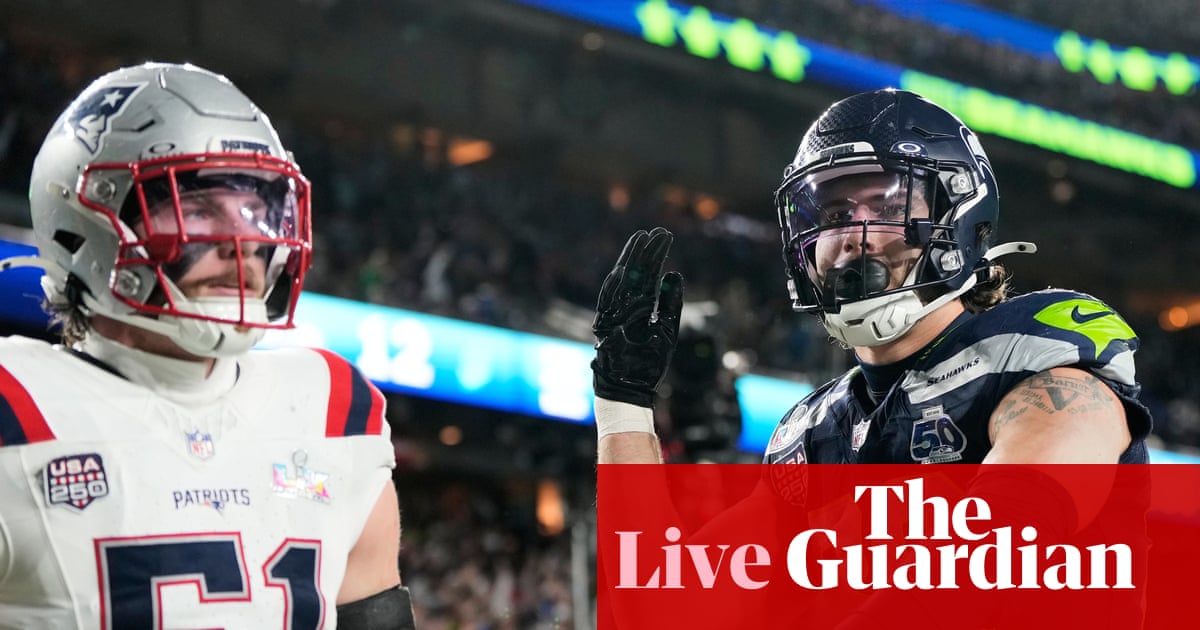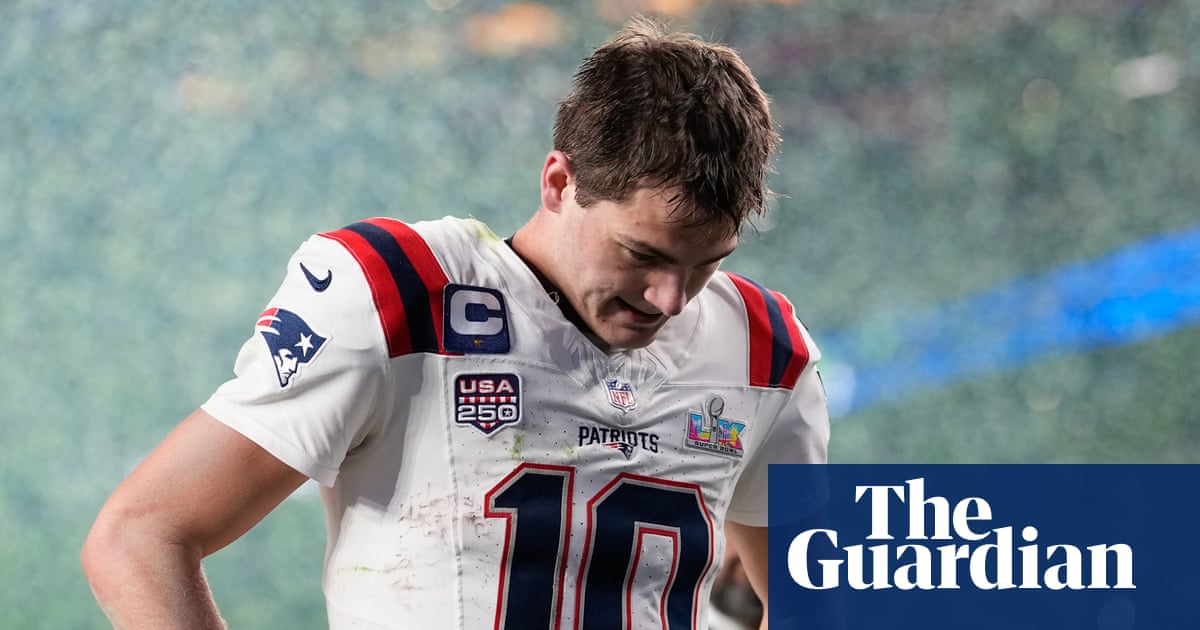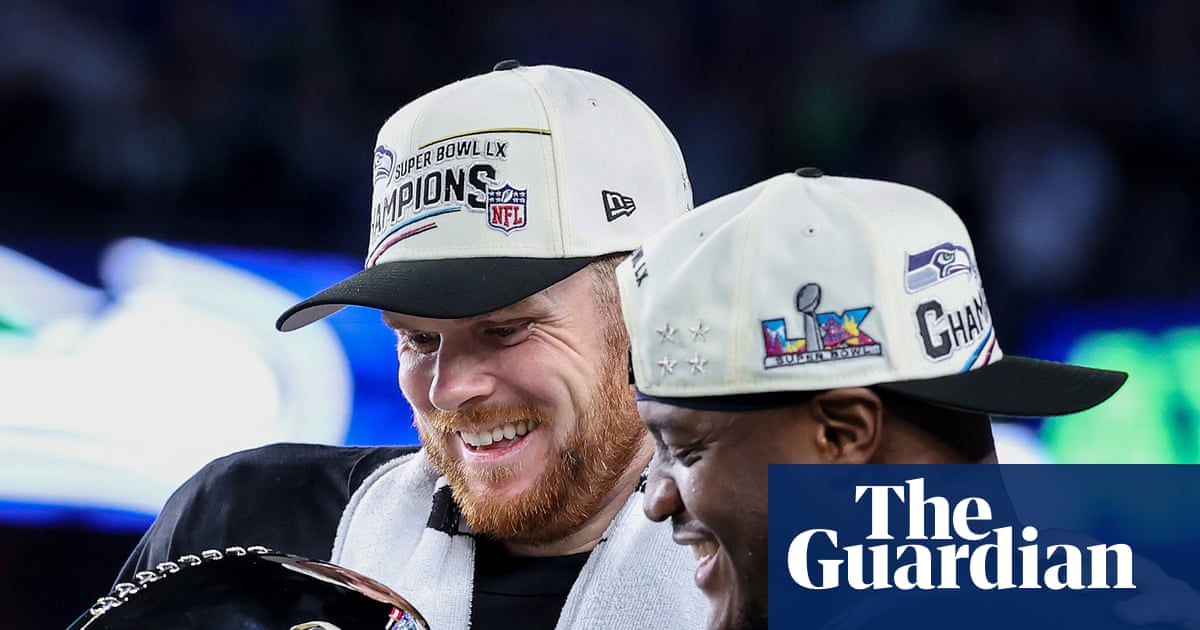

The Seattle Seahawks defeated the New England Patriots 29-13 in Super Bowl LX at Levi’s Stadium in Santa Clara, California, securing Seattle’s second Super Bowl title. Both liberal- and conservative-leaning outlets agree that the Seahawks’ victory was driven by a dominant, opportunistic defense and an efficient, largely mistake-free offense, with Kenneth Walker III recognized as the game’s most valuable player for key contributions in pivotal moments. Coverage from both sides notes that the Patriots’ offense struggled badly, with significant pressure on the quarterback, multiple disruptive defensive plays by Seattle, and a final scoreline that reflected a game that was not as close as pregame expectations suggested. There is also shared acknowledgment of the broader entertainment spectacle surrounding the event, including a high-profile halftime show and major national advertising campaigns tied to football’s biggest stage.
Reporting across the spectrum situates the game within the broader NFL narrative of how hard it is to reach, let alone win, a Super Bowl, emphasizing that only the league’s truly elite teams regularly contend for titles. Both liberal and conservative sources frame this Seahawks team as a rising or reestablished power built on a physical, branded defensive identity and a carefully managed offense that capitalized on opponents’ mistakes. Coverage also places the Patriots’ loss in the context of franchise expectations and the unforgiving nature of the postseason, highlighting how weaknesses—particularly on the offensive line and in handling pressure—tend to be brutally exposed on the championship stage. There is shared agreement that this result may mark a turning point for both organizations: validation of Seattle’s roster-building and coaching approach, and a moment of reckoning and required adjustment for New England.
Areas of disagreement
Tone of the outcome. Liberal-aligned outlets describe the Seahawks’ win in more exuberant, narrative-driven terms, emphasizing redemption arcs for players like Sam Darnold and framing the result as a decisive, even cathartic, dismantling of a flawed Patriots team. Conservative sources, while praising Seattle, tend to adopt a more restrained, technical tone that foregrounds the mechanics of the Seahawks’ defensive scheme and the Patriots’ execution errors rather than emotional storylines. This leads to liberal coverage feeling more celebratory and character-focused, while conservative coverage feels more like a postmortem on what went wrong for New England.
Focus of blame and credit. Liberal sources concentrate heavily on systemic weaknesses within the Patriots—offensive line failures, coaching limitations, and the broader reality that the team was never truly at the Chiefs-or-Brady-era level—while casting Seattle’s defense and Walker’s MVP performance as the inevitable exploiters of those flaws. Conservative coverage more often individualizes responsibility, highlighting Drake Maye’s turnovers, his own public regret, and specific defensive playmakers like Devon Witherspoon and Byron Murphy as decisive agents. As a result, liberal narratives stress organizational shortcomings and structural gaps, whereas conservative narratives frame the loss and win more around particular players’ decisions and execution.
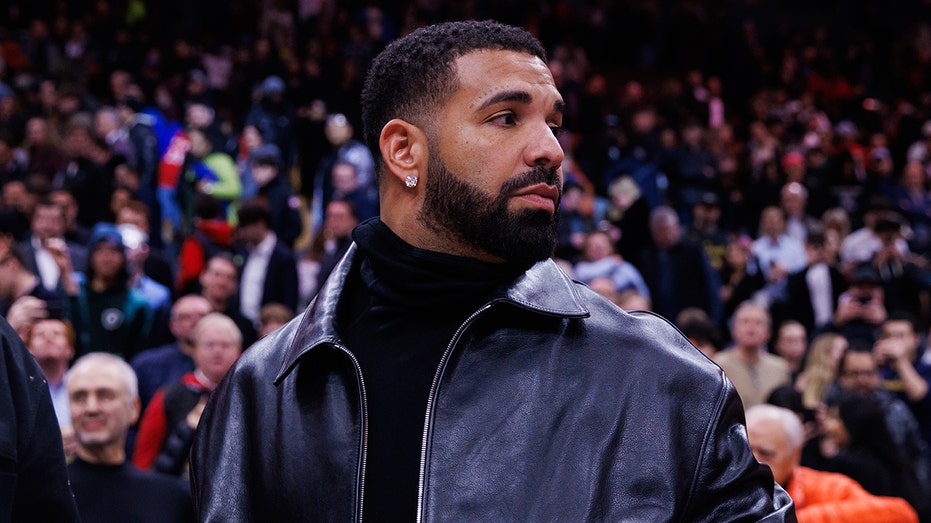
Cultural and commercial framing. Liberal outlets devote substantial attention to the broader spectacle of Super Bowl LX—halftime performers like Bad Bunny, the presence of protesters outside the stadium, and the advertising and business environment surrounding the game—as part of a larger cultural moment. Conservative outlets, by contrast, largely sideline cultural politics and entertainment angles, instead elevating side stories like Drake’s failed million-dollar bet as quirky sports fodder rather than social commentary. This means liberal coverage weaves the game into conversations about entertainment, commerce, and public protest, while conservative coverage treats it primarily as a sporting and gambling narrative with minimal cultural critique.
Trajectory of the franchises. Liberal reporting situates the Patriots’ defeat within a sobering long-term narrative that stresses how rare it is to get another shot at a Super Bowl and implies that New England may already have squandered a fleeting window, contrasting them with dynastic models like the Chiefs or the Brady-era Patriots. Conservative outlets are somewhat more optimistic about New England’s future, emphasizing Maye’s determination to “go back to the beginning and redo it” and framing the loss as a painful but instructive step in a young quarterback’s development arc. While liberal pieces frame Seattle as having decisively joined or rejoined the league’s upper tier at the Patriots’ expense, conservative reports imply that this could be a foundational learning moment rather than a terminal judgment on New England’s trajectory.
In summary, liberal coverage tends to portray Seattle’s win as a decisive exposure of New England’s structural shortcomings while embedding the game in a broader cultural and institutional context, while conservative coverage tends to focus more on specific player performances, tactical execution, and individual responsibility, treating the result as a tough but potentially formative chapter in a longer football story.
Story coverage