


conservative
Cuba Warns Airlines of Aviation Fuel Shortage as Air Canada Cancels Flights
The Cuban government announced that cultural events, including the Havana International Book Fair, have been suspended and bank hours reduced.
2 months ago
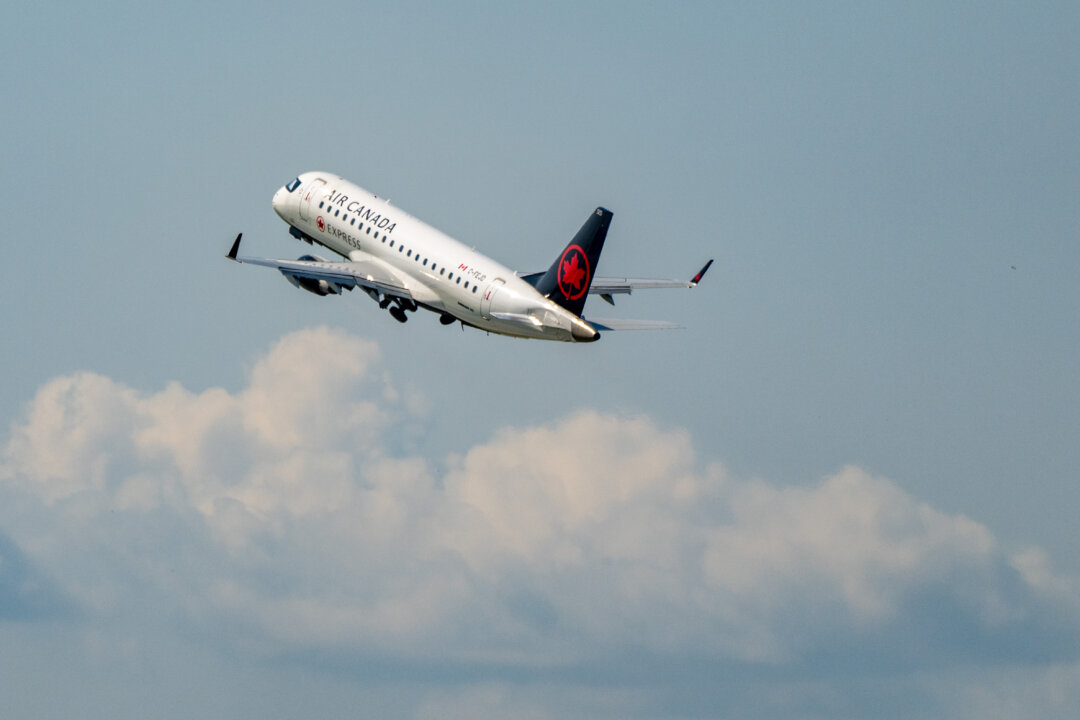
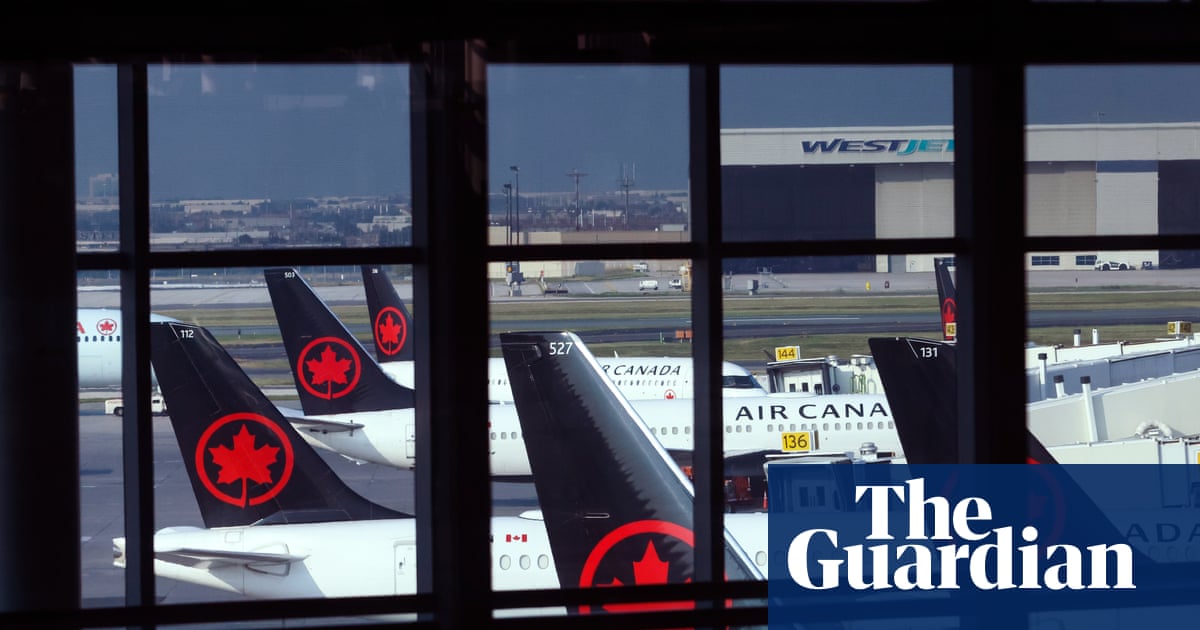
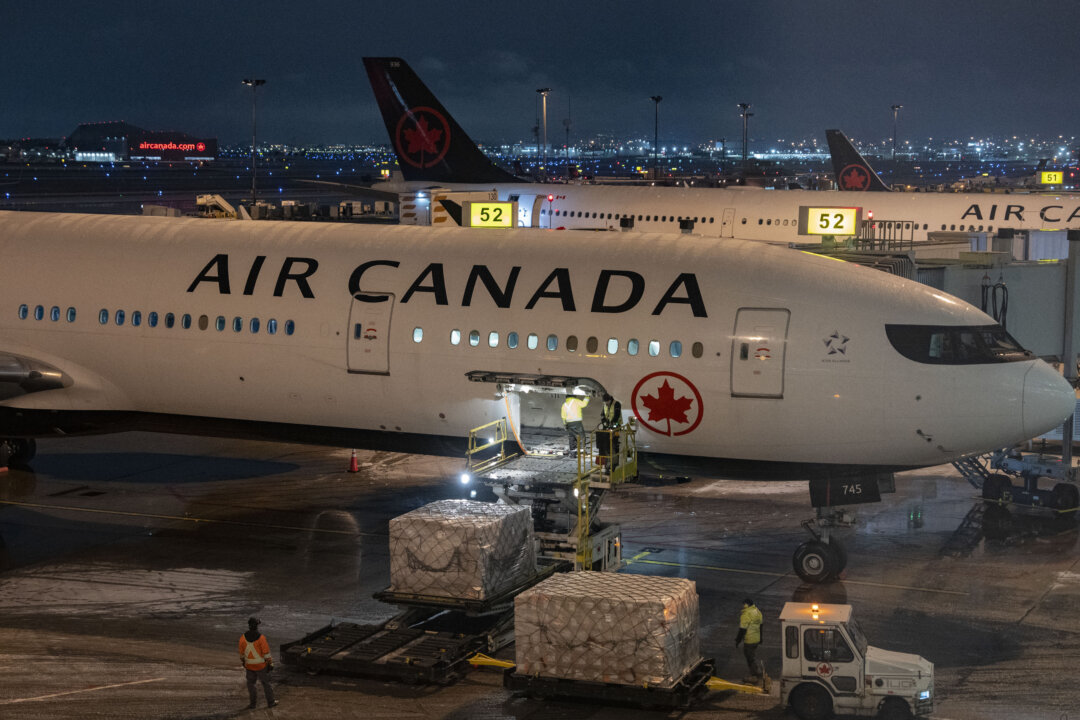
Cuban authorities and multiple outlets across the spectrum report that the island is experiencing a severe aviation fuel shortage that is preventing international airlines from reliably refueling at Cuban airports. Cuba has warned carriers that aviation fuel will effectively run out for about a month, prompting cancellations and schedule adjustments, most notably Air Canada suspending or cancelling its commercial flights to Cuba while operating empty aircraft to repatriate roughly 3,000 stranded passengers. Both liberal and conservative sources agree that U.S. measures under the Trump administration, including tariff threats and efforts to block or cut off oil supplies to Cuba, have sharply constrained the island’s access to fuel, leading to disruptions at international airports and broader energy scarcity. Reports concur that Canada’s major airlines, including Air Canada and often WestJet and Air Transat, have suspended or reduced service, causing delays and uncertainty for tourists and impacting Cuba’s tourism-dependent economy.
Coverage from both sides also notes that the fuel crisis is part of a wider energy crunch affecting not only aviation but also domestic fuel availability for Cubans, with closed gas stations and rationing measures. Both liberal and conservative outlets describe Cuba’s government as publicly committed to maintaining air connectivity where possible, even as it alerts airlines that normal refueling cannot be guaranteed. They broadly agree that the situation stems from a combination of Cuba’s longstanding dependence on imported fuel and the tightening of U.S. sanctions and pressure, particularly targeting oil shipments. There is shared acknowledgment that the disruption has triggered contingency planning, government travel advisories, and operational changes by airlines to manage passenger safety and logistics.
Responsibility and blame. Liberal-leaning outlets put primary responsibility on the Trump administration’s sanctions, tariff threats, and what they describe as an oil blockade that has “dried up” Cuba’s jet fuel supplies, portraying the crisis as an intended consequence of U.S. pressure. Conservative sources also highlight U.S. actions but tend to frame them as part of a broader strategy to confront a communist regime and its alliances, presenting the shortages as a foreseeable side effect of legitimate foreign policy. While liberals emphasize the humanitarian and civilian cost of these measures for ordinary Cubans and travelers, conservatives more often stress the role of Cuba’s political system and long-term mismanagement in making the country vulnerable to such pressure.
Framing of U.S. policy. Liberal coverage describes Trump-era steps as isolationist and punitive, stressing that designating Cuba a threat and targeting its fuel lifelines undermines tourism and everyday life on the island. Conservative coverage usually characterizes the same steps as economic measures or pressure tactics aimed at countering adversarial behavior and human rights abuses by Havana, with less focus on the moral culpability for immediate hardships. Liberals tend to use language like “oil blockade” and “turning up the pressure” as criticism of Washington, while conservatives more often present these as tools of leverage in a geopolitical contest.
Portrayal of the Cuban government. Liberal outlets generally present the Cuban government’s statements about fuel shortages and their link to U.S. actions with minimal skepticism, highlighting official timelines, warnings to airlines, and efforts to maintain air connectivity. Conservative reporting more frequently underscores that Cuba is a communist or authoritarian state, hinting that limited transparency, poor planning, and structural economic weakness are contributing factors to the crisis. Where liberals focus on Cuba as a sanctioned country struggling under external pressure, conservatives balance that angle by highlighting internal governance failures and the regime’s responsibility for not diversifying energy sources.
Impact emphasis. Liberal-aligned sources give considerable attention to the impact on ordinary Cubans and tourism, describing closed gas stations, difficult fuel access, and the loss of vital foreign currency, often framing these as collateral damage of U.S. policy. Conservative outlets more prominently emphasize the implications for foreign travelers, especially Canadians awaiting repatriation, airline operational risk, and government advisories about unreliable fuel, sometimes downplaying the broader socioeconomic strain inside Cuba. Liberals tend to situate the flight cancellations within a long narrative of sanctions-driven hardship, while conservatives more often cleanly separate the immediate travel disruption from deeper structural critiques of U.S. policy.
In summary, liberal coverage tends to frame the fuel crisis and flight cancellations primarily as a consequence of Trump-era sanctions and an effective oil blockade inflicting humanitarian and economic harm on Cuba, while conservative coverage tends to balance acknowledgment of U.S. pressure with sharper criticism of Cuba’s communist government, portraying the shortages as both a product of external sanctions and internal mismanagement.