liberal
Kalshi says Super Bowl trading volume surpassed $1 billion
Kalshi CEO Tarek Mansour said Tuesday that the platform's Super Bowl trading volume exceeded $1 billion, up 2,700% year-over-year.
2 months ago
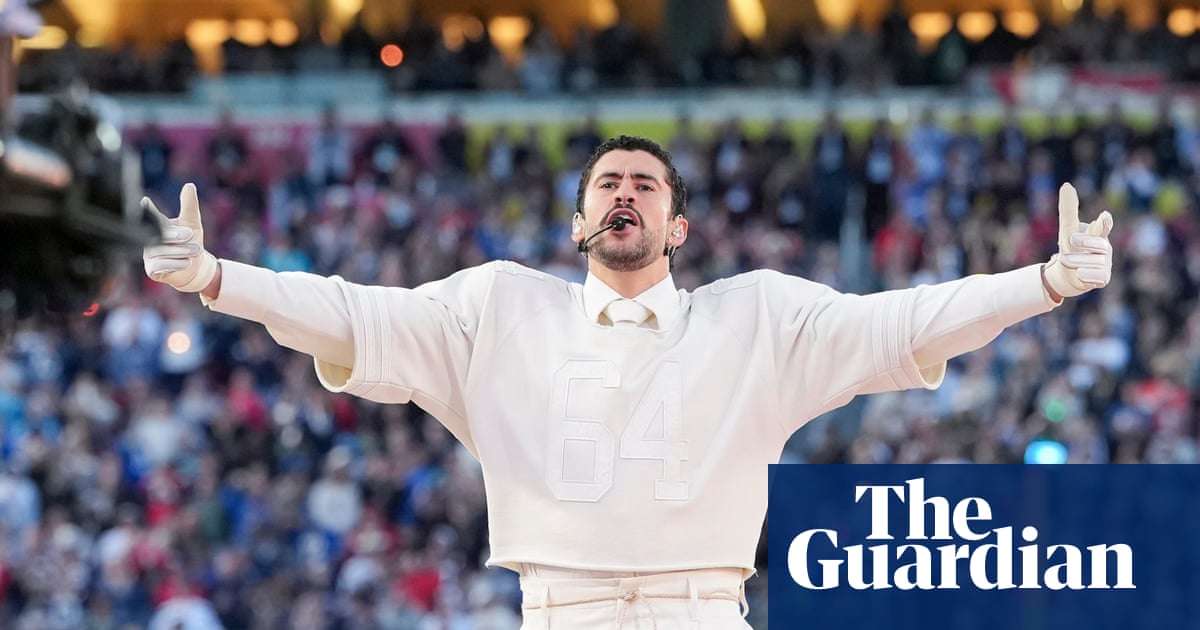
Kalshi, a U.S.-regulated prediction market, reported that trading volume tied to Super Bowl Sunday surpassed $1 billion, marking a roughly 2,700% increase from the previous year’s Super Bowl activity. Liberal-aligned outlets note that this was a single-day record for the platform, driven by a flurry of trading on a variety of event contracts, especially those related to the halftime show. Specific markets on musical performances saw heavy interest, including around $100 million reportedly wagered on which song Bad Bunny would use to open and another $45 million on which guest artists might appear. Coverage agrees that Kalshi positioned this surge as evidence of rising mainstream interest in event-based trading and prediction markets.
These sources also concur that Kalshi is trying to clearly distinguish itself from traditional gambling, emphasizing that it is a federally regulated exchange operating under a compliance framework. The company’s leadership stresses that its revenue model is structured so the firm earns fees rather than profiting directly from customer losses, casting the platform as a financial market for information rather than a casino. Liberal descriptions highlight Kalshi’s focus on enforcement and guardrails to mitigate risks such as insider trading or market manipulation, portraying its Super Bowl performance as a milestone in the broader institutionalization of prediction markets. Both sides’ descriptions, where available, frame the event as part of a wider trend toward financialization of forecasting and real-world events.
Framing of prediction markets. Liberal-aligned coverage tends to depict Kalshi as an innovative financial instrument that can aggregate information and potentially improve forecasting, stressing its regulated status and distance from pure gambling. In contrast, conservative sources, where they weigh in, are more inclined to question whether rebranding wagers as "markets" meaningfully changes their speculative nature and may focus more on the cultural normalization of betting on every aspect of public life.
Regulation and risk. Liberal outlets emphasize that Kalshi’s compliance regime and attention to insider trading concerns demonstrate that existing regulatory structures can manage the risks of prediction markets. Conservative coverage is more likely to stress the possibility of regulatory arbitrage and the limits of current oversight, portraying the Super Bowl surge as a stress test that may expose gaps in enforcement or encourage calls for tighter rules.
Economic and social impact. Liberal reporting often highlights potential social benefits such as better information aggregation, more efficient pricing of expectations, and a business model that does not depend on customers losing, downplaying moral concerns around betting. Conservative commentary, by contrast, tends to raise questions about the broader social costs of expanding speculative behavior, including addiction risks and the perception that serious events are being treated as entertainment wagers.
Cultural significance. Liberal-aligned narratives frequently frame the $1 billion Super Bowl volume as a sign that prediction markets are entering the financial and cultural mainstream, especially among younger, tech-savvy users. Conservative-leaning perspectives are more likely to view the same phenomenon as another step in the gamification of everything, worrying that turning pop culture and sports minutiae into tradable assets may trivialize both finance and public life.
In summary, liberal coverage tends to treat Kalshi’s Super Bowl surge as a largely positive milestone for regulated prediction markets and a validation of their informational value, while conservative coverage tends to spotlight the speculative, cultural, and regulatory downsides of normalizing large-scale wagering on events.