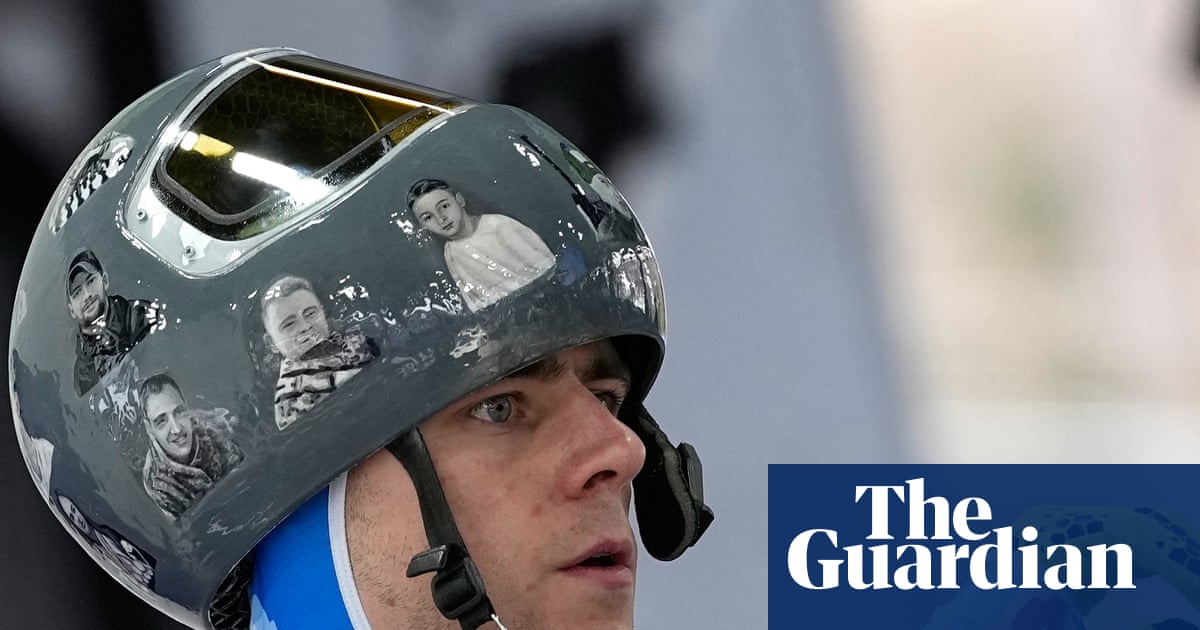


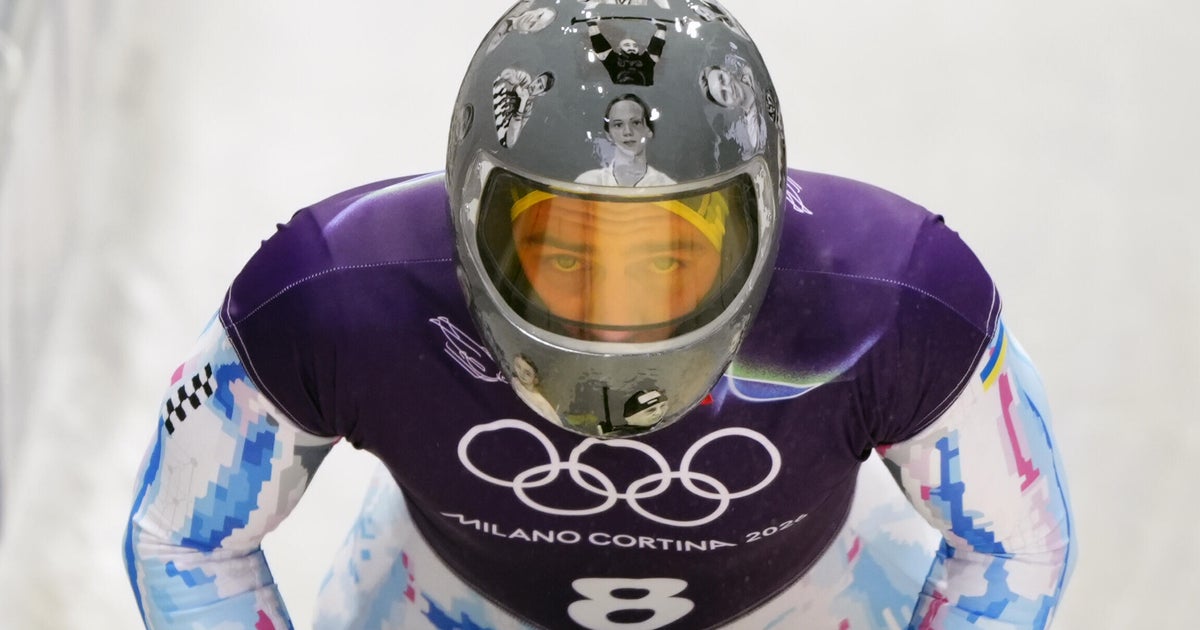
Ukrainian skeleton racer Vladyslav Heraskevych has had his specially designed “helmet of memory,” which bears images and names of Ukrainian athletes killed in Russia’s war, barred from use at the 2026 Milan-Cortina Winter Olympics by the International Olympic Committee. Across liberal- and conservative-leaning outlets, reports agree that the IOC told him the helmet violates rules on political or protest symbolism at the Games, and instead suggested alternatives such as a plain black armband or ribbon to commemorate the dead. Coverage from both sides notes that Heraskevych has nevertheless worn the helmet during training runs, that Ukraine’s Olympic delegation has formally appealed the decision, and that the IOC is framing its stance as necessary to preserve neutrality, focus on sport, and uphold the Olympic Charter.
The outlets generally concur that this dispute fits into a broader pattern of the IOC tightly regulating political expression, especially regarding the Russia-Ukraine war and other conflicts, and that the committee is trying to keep the Games as a space for international unity rather than explicit political messaging. They also agree that Ukrainian athletes view honoring fallen compatriots as part of their national struggle and identity, and that rules about symbols, slogans, and gestures have been contentious in recent Olympic cycles. Both liberal and conservative reports describe the IOC’s offer of more neutral mourning symbols as an attempt at compromise, and situate the story within ongoing debates over where the line lies between personal commemoration, national grief, and prohibited political statements on the Olympic stage.
Areas of disagreement
Nature of the act. Liberal-aligned coverage tends to frame the helmet as a primarily humanitarian and memorial gesture, emphasizing the personal loss of specific athletes and arguing that grief and remembrance should not be equated with political propaganda. Conservative sources more often describe it in neutral or brief terms as a tribute or symbolic protest, leaving more room for the idea that, in the context of an ongoing war, it inevitably carries political overtones. While liberals stress the individuality of the fallen athletes and the moral right to honor them, conservatives more readily acknowledge that any war-related imagery risks becoming a political statement under Olympic rules.
IOC’s motives and consistency. Liberal outlets more frequently question the IOC’s moral and ethical consistency, suggesting the committee is hiding behind neutrality while effectively silencing the side that is under attack and selectively enforcing its rules. Conservative coverage tends to treat the IOC’s explanation at face value, depicting the decision as a routine application of long-standing bans on political messaging rather than a targeted move against Ukraine. Where liberal reporting often implies a double standard in how different conflicts and causes are treated, conservative pieces focus more on the IOC’s institutional need for uniform rules, even if they appear harsh in individual cases.
Framing of Ukraine’s response. Liberal reporting highlights Ukrainian athletes’ defiance and the appeal process as a principled stand against what they see as moral cowardice by the IOC, casting the helmet as part of a broader struggle for recognition of Russian aggression and Ukrainian suffering. Conservative coverage, while acknowledging the anger and appeal, is more restrained and tends to describe Ukraine’s actions as a dispute over rule interpretations rather than an emblematic clash between justice and neutrality. Liberals elevate Ukrainian voices as moral challengers of the Olympic system, whereas conservatives more often present them as one stakeholder among many within an established regulatory framework.
Implications for free expression in sport. Liberal sources more clearly link the controversy to wider concerns about athletes’ freedom of expression and the role of sports in speaking out against war and human rights abuses, suggesting that suppressing such symbols privileges the status quo. Conservative outlets focus more on the risk that allowing such symbols could open the floodgates to competing political messages from multiple sides, potentially fragmenting the Games and undermining their unifying mission. Thus, liberals view the helmet ban as chilling necessary moral speech, while conservatives view strict rules as a safeguard against politicization of every sporting event.
In summary, liberal coverage tends to treat the helmet as a moral, humanitarian tribute whose banning exposes the IOC’s flawed notion of neutrality, while conservative coverage tends to portray the dispute as a predictable enforcement of existing anti-political rules, emphasizing institutional consistency and the risks of broader politicization of the Olympics.
Story coverage