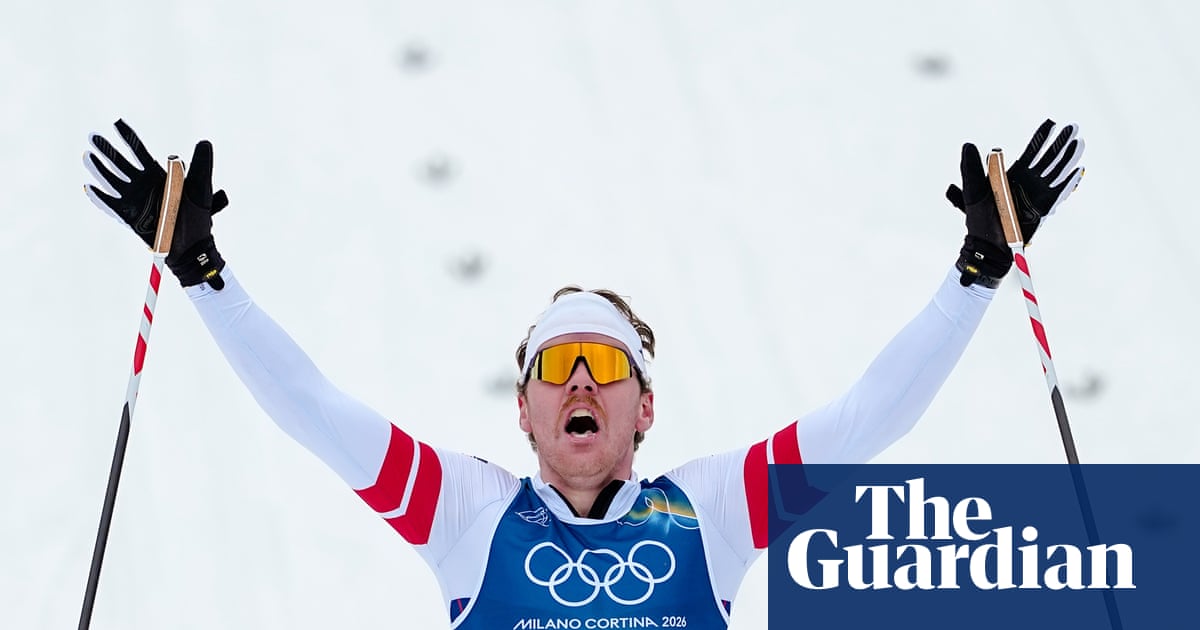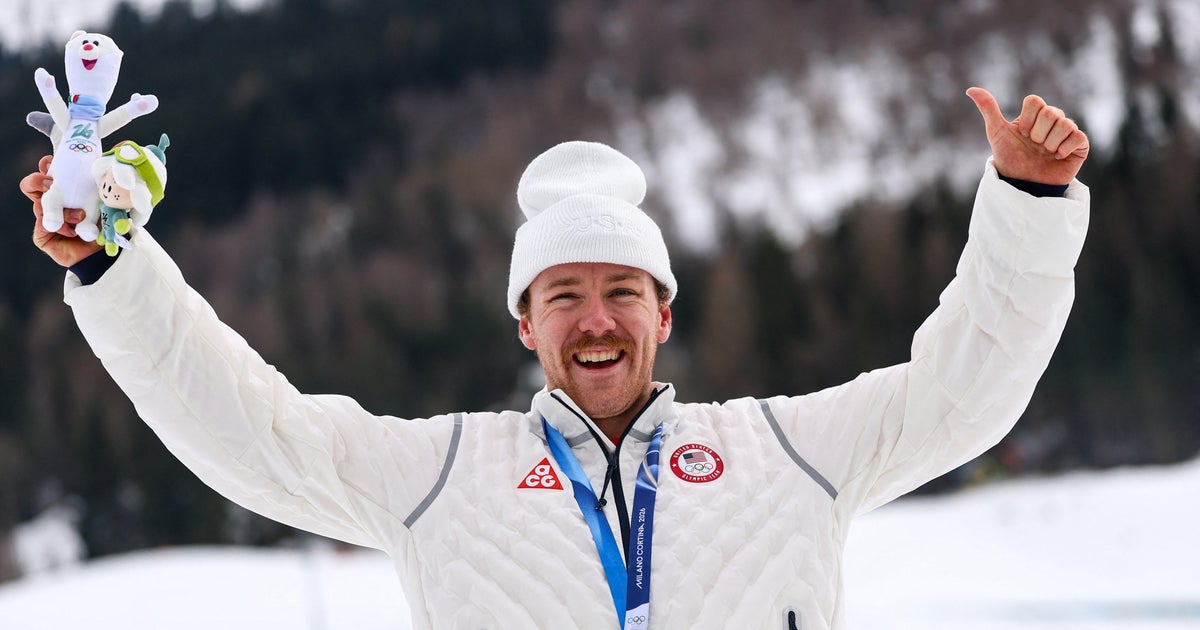

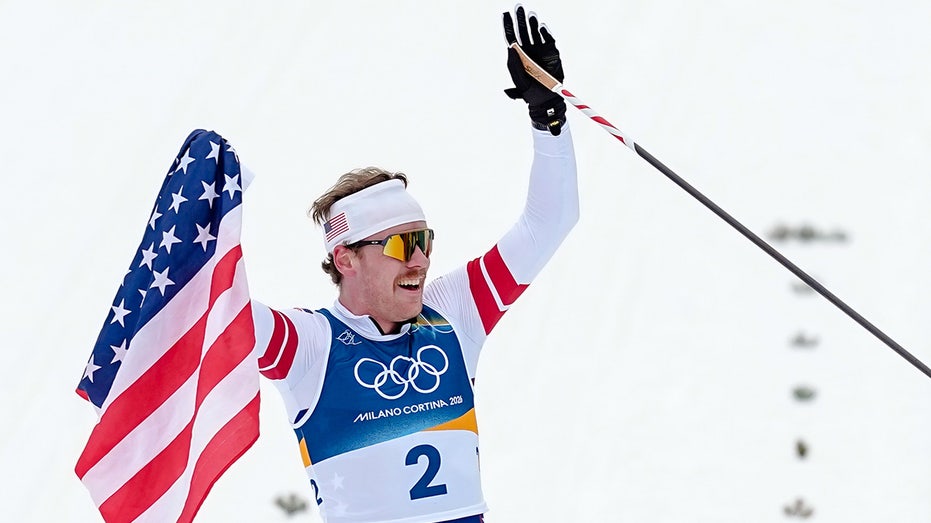
Ben Ogden, an American cross-country skier, won the silver medal in the men's sprint classic event at the Winter Olympics, marking the first Olympic medal for a U.S. man in cross-country skiing since Bill Koch's breakthrough in 1976. Coverage across liberal and conservative outlets agrees that Norway's Johannes Hoesflot Klaebo took gold, that this is a historic achievement for the U.S. men's program, and that Ogden has been on an upward trajectory since his junior career, where he was part of a landmark American result at the 2018 Junior World Ski Championships. Reports also concur that the race took place at the 2026 Winter Games, that the women's event was dominated by Sweden with a podium sweep, and that American star Jessie Diggins exited early in the quarterfinals in her event.
Outlets on both sides highlight Ogden's personality and preparation, agreeing that he has a distinctive off-snow routine that includes knitting, which he credits with helping him relax and focus before high-pressure races. They also converge on the broader context that U.S. cross-country skiing has long lagged behind European powerhouses, making this medal a signal of a steadily improving American program rather than a one-off fluke. Both liberal and conservative coverage situate Ogden's win within a 50-year narrative arc of U.S. men's cross-country, referencing the legacy of Bill Koch and the growth of development pipelines that have been producing stronger junior and senior-level results.
Areas of disagreement
Framing of significance. Liberal-aligned outlets emphasize the cultural and symbolic resonance of Ogden’s medal, portraying it as a watershed for a more diverse and athlete-centered U.S. winter sports culture and as a breakthrough for a historically underfunded discipline. Conservative outlets frame the same achievement more in terms of national pride and performance metrics, stressing the end of a 50-year drought and positioning Ogden as evidence that American grit and long-term investment in elite development are paying off. Where liberal coverage leans into the narrative of changing norms in endurance sports and celebrating incremental progress within the program, conservative coverage tends to cast the result as a clear-cut return of the United States to the top tier of a traditional, hard-edged Olympic sport.
Athlete persona and lifestyle. Liberal outlets devote substantial attention to Ogden’s knitting habit, using it to illustrate an evolving model of masculinity in sports that normalizes mental health, emotional openness, and unconventional relaxation techniques. Conservative coverage mentions his personality and background but foregrounds training history, competitive milestones, and prior junior-world success over lifestyle details, treating the knitting anecdote, if referenced at all, as a curiosity rather than a central theme. As a result, liberal stories use Ogden’s off-slope identity to comment on broader cultural shifts, while conservative pieces subsume his personal quirks under a more traditional narrative of discipline and competitive excellence.
Program evolution and causes of success. Liberal-leaning reporting tends to attribute Ogden’s rise to systemic changes such as improved grassroots access, strengthened collegiate and club programs, and a more holistic approach to athlete development that values balance and mental recovery. Conservative outlets more often credit long-term commitment by coaches, national-team structures, and Ogden’s individual drive and work ethic, treating institutional support as important but secondary to personal responsibility and elite training environments. The liberal side thus stresses collective progress in U.S. skiing ecosystems, while the conservative side highlights individual merit and high-performance systems aligned with national ambition.
International context and competition. Liberal coverage frequently situates Ogden’s silver within a global narrative of Norwegian and Swedish dominance, underscoring how extraordinary it is for an American to break through in a European stronghold and using that to argue for continued international collaboration and learning. Conservative coverage acknowledges the strength of Norway and Sweden but more directly positions Ogden’s medal as a challenge to European hegemony, framing his performance as proof that the United States can match or surpass traditional powers through determination and smart investment. Consequently, liberal stories read the result as a shared moment in an increasingly competitive global field, while conservative stories read it as a statement about American resurgence against long-standing rivals.
In summary, liberal coverage tends to use Ogden’s historic silver to highlight cultural change, holistic athlete development, and the evolution of U.S. cross-country skiing institutions, while conservative coverage tends to emphasize national pride, individual grit, and the restoration of American competitiveness against European powers.