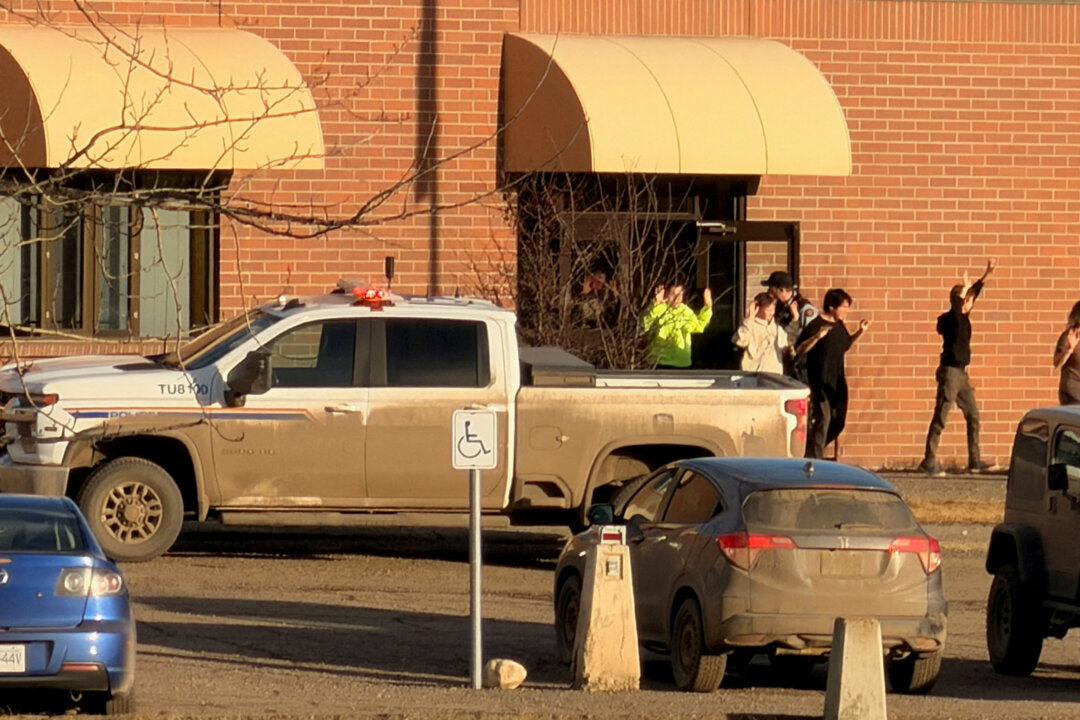
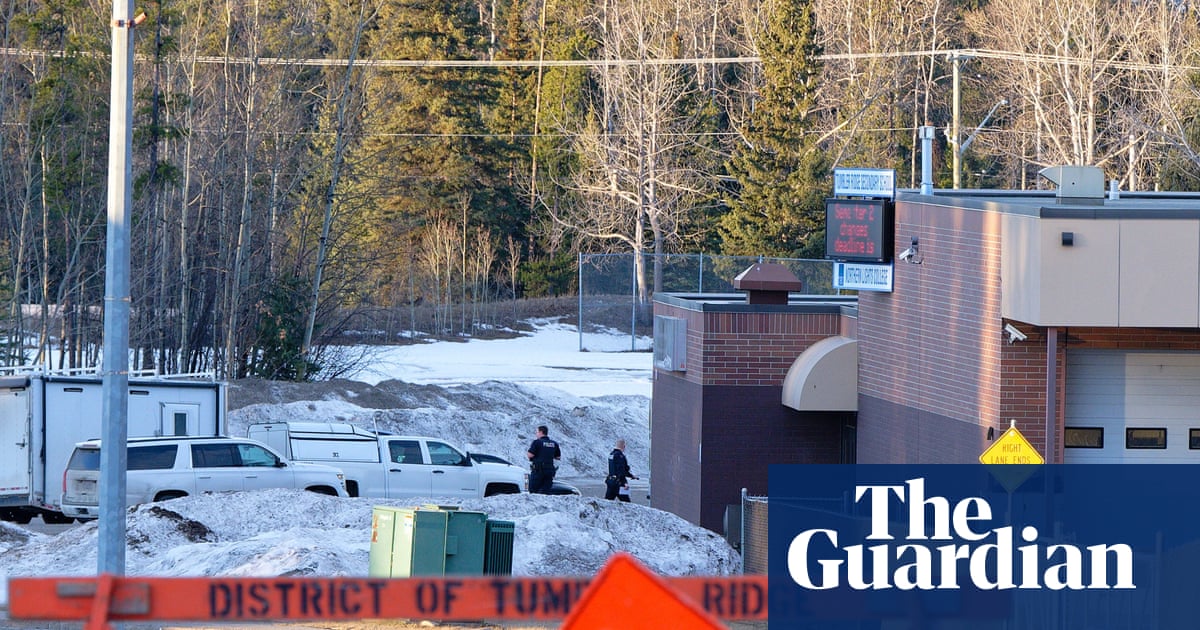
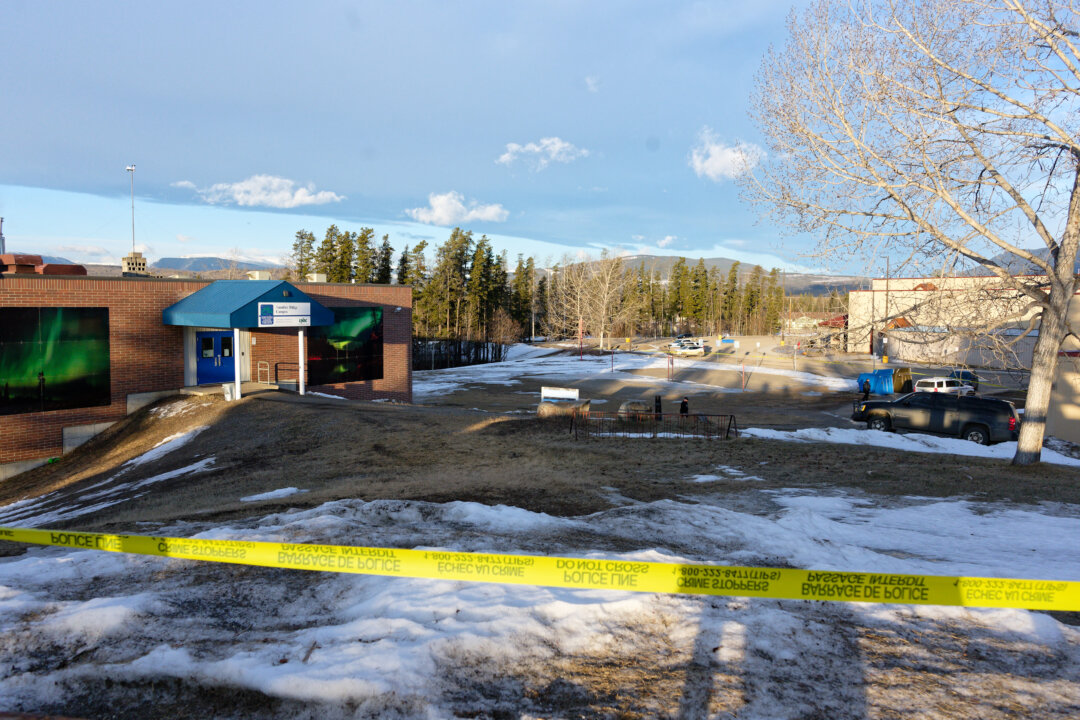
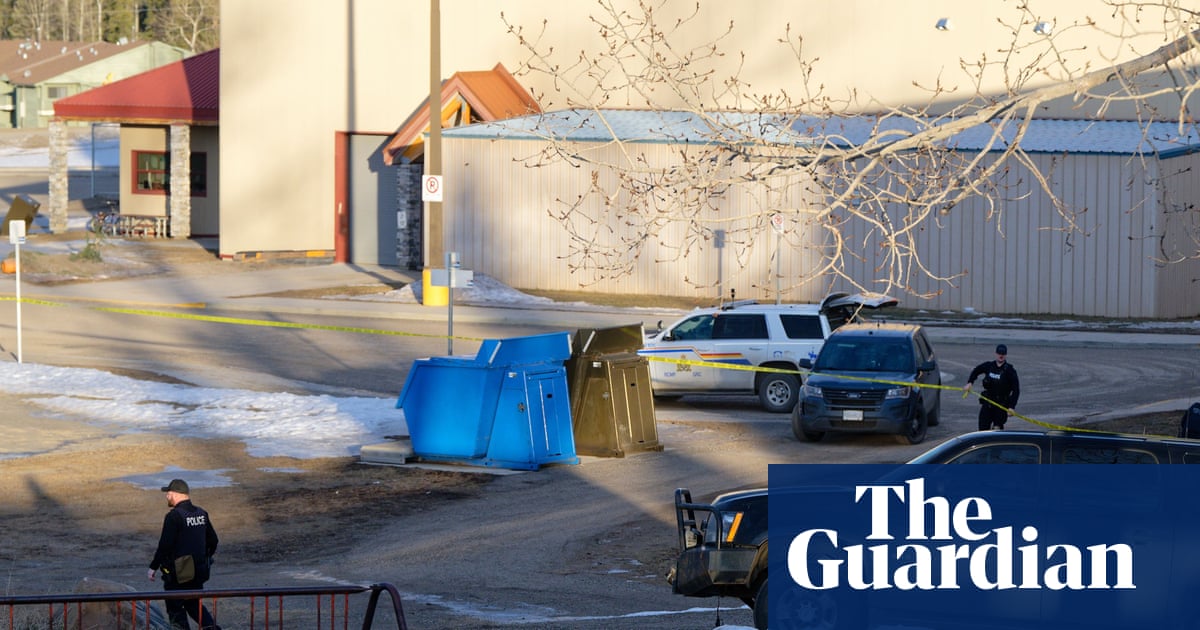
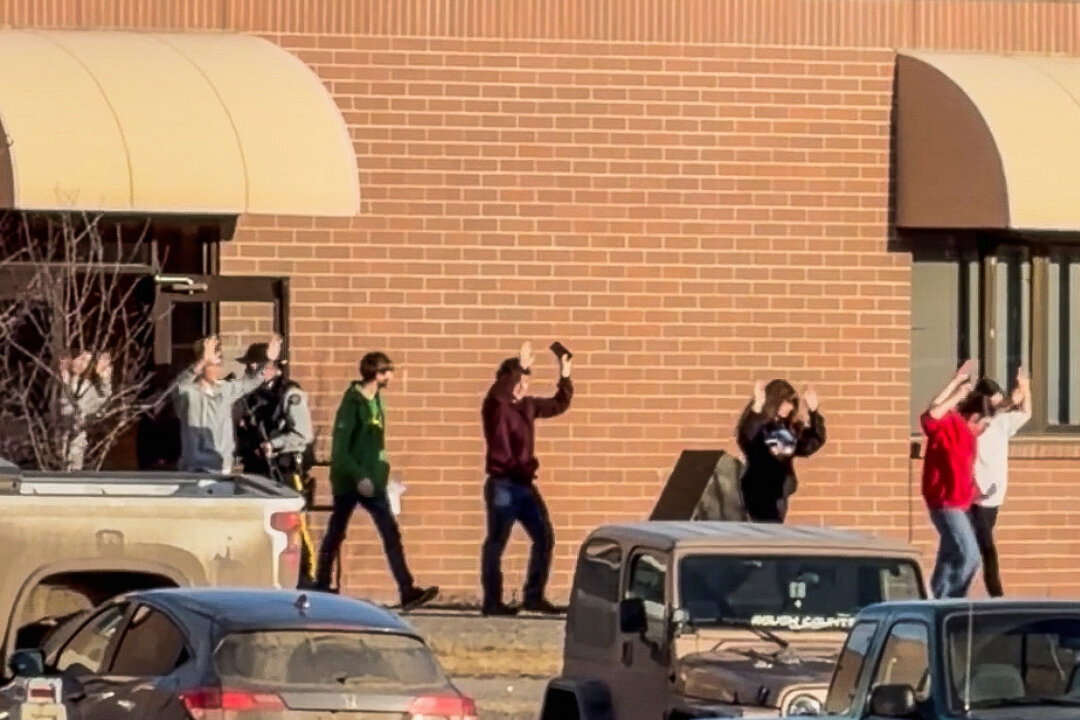
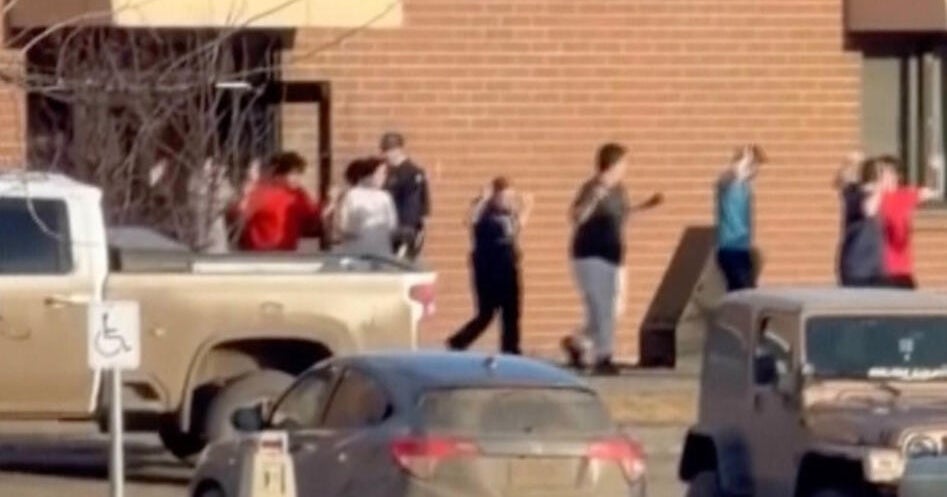
Nine people were killed and roughly 25–27 others injured in a mass shooting centered on Tumbler Ridge Secondary School in the remote town of Tumbler Ridge, British Columbia, with at least one connected attack at a nearby residence. Both liberal- and conservative-aligned outlets agree that the suspect was an 18-year-old local resident, that six victims and the shooter were found at the school and additional victims were found at a related home, and that among the dead are a teacher, multiple students aged around 12–13, and members of the suspect’s family, including the mother and a sibling. Coverage on both sides notes that the suspect died of an apparent self-inflicted gunshot wound, that police responded quickly to an active-shooter call and came under fire while securing the school, and that authorities have said there is no ongoing threat to the public. They also converge on the basic timeline—an attack on a school day that triggered a lockdown, followed by rapid national and international expressions of mourning.
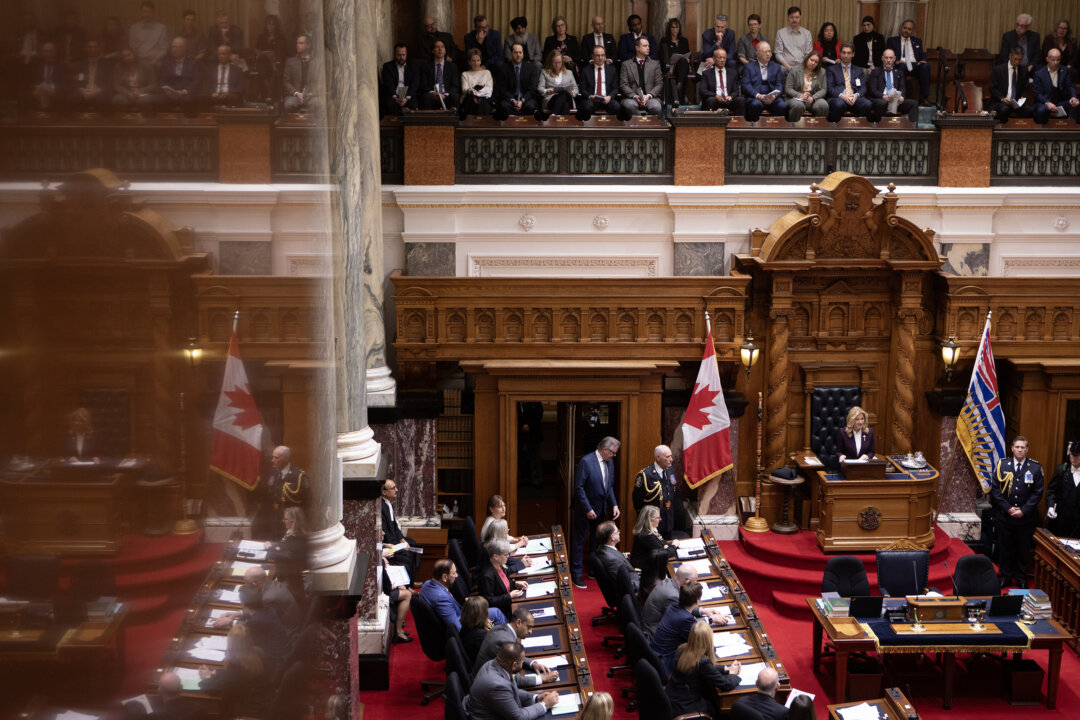
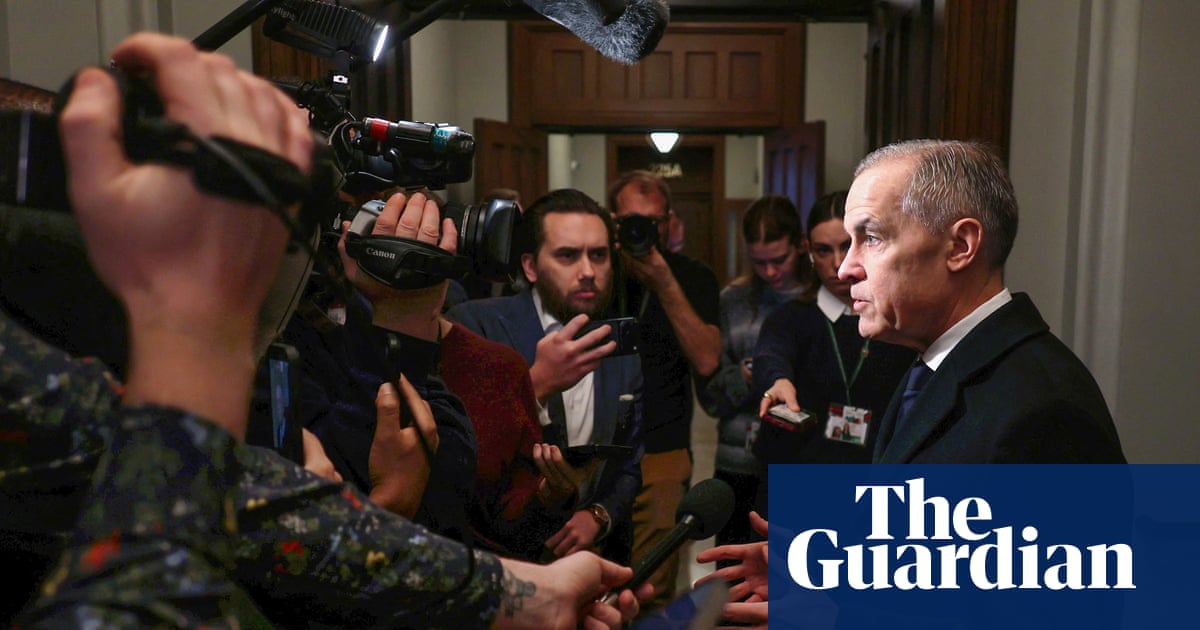
Across the spectrum, outlets describe the event as one of the worst school or mass shootings in recent Canadian history and highlight the shock to a small, tight‑knit community unaccustomed to this scale of violence. Both liberal and conservative reports reference prior police contact with the suspect over mental health concerns and weapons, noting that firearms had previously been seized and that the motive remains under investigation. They similarly foreground institutional responses: statements of grief and solidarity from Prime Minister Mark Carney and other leaders, flags at half-mast, cancellation or alteration of formal political events such as the British Columbia throne speech, and plans for memorials and support services. Coverage on both sides situates the tragedy within Canada’s broader experience with rare but high-impact mass shootings, raising questions about mental health systems, school security, and gun access, even when specific policy prescriptions differ.
Areas of disagreement
Shooter identity and framing. Liberal-aligned sources tend to describe the suspect cautiously, emphasizing uncertainty over gender identity and using terms like “suspect,” “18-year-old local resident,” or “woman” while noting unconfirmed reports about transgender status and warning against sensationalizing it. Conservative-aligned outlets, by contrast, often foreground the suspect’s transgender identity as a central fact—using phrases like “trans suspect” or “biological male identifying as female”—and in some cases portray this as part of a broader pattern of violence linked to gender ideology. Liberal coverage largely treats gender identity as secondary to mental health and access to weapons, while conservative coverage often elevates it to a defining lens for understanding the crime.
Causes and contributing factors. Liberal outlets primarily stress systemic failures in mental health care, prior police interactions, and Canada’s gun regime, arguing that gaps in support and enforcement may have allowed an unstable individual to obtain or retain access to lethal weapons. Conservative reports more often emphasize individual responsibility, breakdowns in family and community structures, and what they describe as ideological or cultural influences, including online radicalization and identity politics, while treating mental health references with some skepticism. Both sides mention mental health history, but liberal sources invoke it to argue for expanded services and stronger preventive interventions, whereas conservative sources are more likely to argue that systemic excuses risk obscuring personal culpability and deeper cultural decay.
Policy responses and gun control. Liberal-aligned coverage more explicitly connects the shooting to debates over gun control, suggesting that even in Canada’s comparatively strict framework there may be loopholes around storage, licensing, and red-flag style interventions, and featuring voices that call for tighter regulations and better enforcement. Conservative-aligned outlets acknowledge the tragedy and official mourning but are more cautious about linking it directly to firearms policy, warning that politicians could exploit the event to push broader restrictions that would primarily impact law-abiding gun owners. Liberal pieces tend to frame stronger gun measures as a necessary component of preventing future attacks, while conservative pieces lean toward emphasizing enforcement of existing laws, school security, and non-gun-related factors.
Media treatment and political narrative. Liberal sources often criticize what they describe as politicized or stigmatizing coverage of the suspect’s alleged transgender status and call for sensitivity toward LGBTQ+ communities, arguing that speculative narratives risk fueling prejudice and distracting from evidence-based solutions. Conservative outlets, especially more opinion-driven ones, accuse mainstream and liberal media of downplaying or obscuring the suspect’s gender identity and ideological context, presenting themselves as correcting a perceived information blackout. Liberal coverage generally seeks to avoid broad inferences from this single case about any group, while conservative coverage is likelier to place the incident within a larger narrative of media bias, cultural conflict, and contested social policies.
In summary, liberal coverage tends to center systemic issues like mental health services, gun control gaps, and media responsibility while downplaying speculative identity-based narratives, while conservative coverage tends to highlight the suspect’s transgender identity, stress personal and cultural responsibility over new regulations, and criticize what it sees as liberal media and political spin.