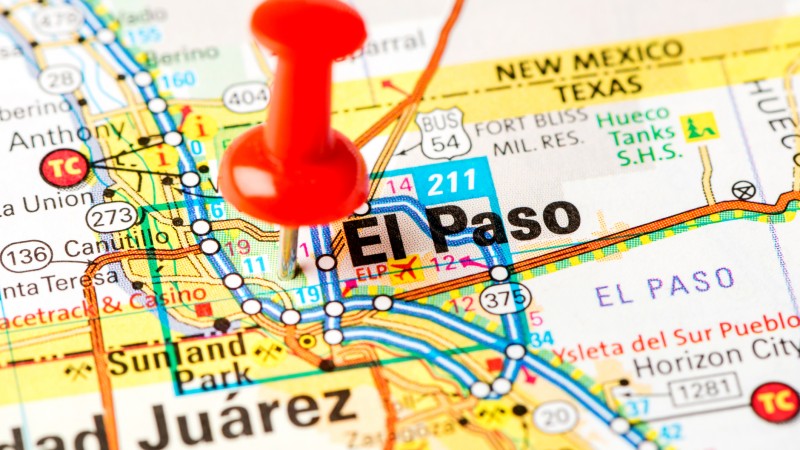
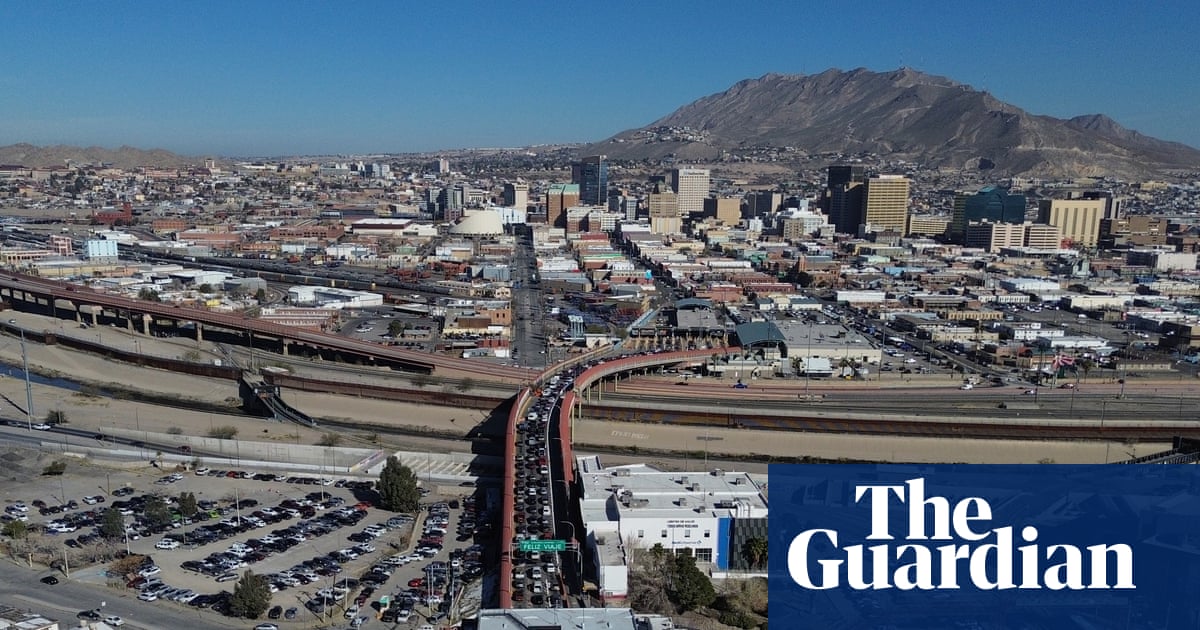
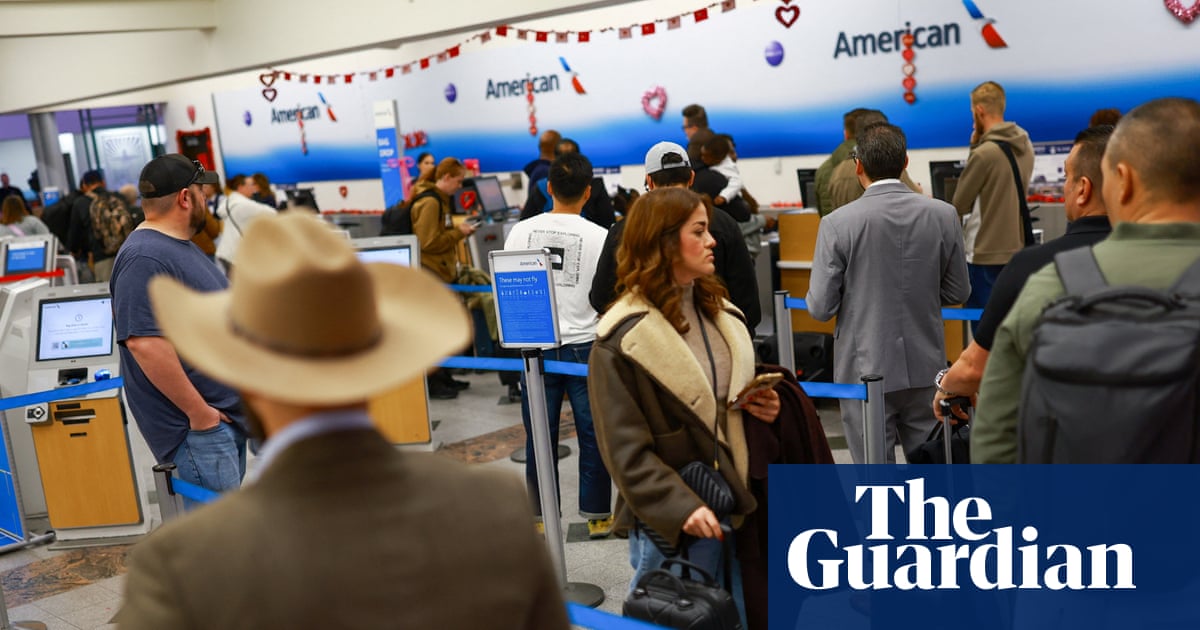
The liberal and conservative outlets broadly agree that the FAA abruptly issued a temporary flight restriction over airspace around El Paso International Airport (and, in some reports, parts of southern New Mexico and New Orleans) under a 10‑day order citing “special security reasons,” then reversed course within hours and allowed flights to resume. Both sides report that all aircraft, including commercial airlines, medical and law‑enforcement helicopters, were affected, that local officials and travelers received no advance notice and experienced significant disruption, and that federal authorities linked the move to a suspected unmanned aircraft near the border, variously described as a drone that may have crossed from Mexico. They also converge on the basic sequence: a suspected aerial object is detected, the Pentagon or War/Defense Department and Customs and Border Protection engage or test counter‑drone technology, the FAA responds with a sweeping airspace shutdown, and once the perceived threat is neutralized or re‑evaluated, the restriction is lifted and normal operations resume.
Coverage across the spectrum acknowledges that the incident sits at the intersection of border security, emerging drone technology, and interagency coordination among the FAA, the Defense Department/Pentagon, Customs and Border Protection, and the Transportation Department. Both liberal and conservative reports highlight that cartels have been increasingly using drones for surveillance and smuggling, that U.S. authorities are developing and testing anti‑drone systems (including lasers) near the border, and that the event exposed communication gaps between Washington and local stakeholders. There is shared recognition that the episode raises questions about how far U.S. agencies should go in restricting civilian airspace for security tests or responses, and that it may prompt reforms or clearer protocols on counter‑drone operations, risk assessment, and public transparency when federal security measures disrupt commercial aviation.
Areas of disagreement
Nature and certainty of the threat. Liberal‑aligned outlets tend to frame the triggering incident as ambiguous, emphasizing conflicting accounts that the object might have been cartel drones, a test target, or even a misidentified party balloon and stressing that officials have not conclusively verified a hostile cartel operation. Conservative outlets more consistently describe the event as a confirmed Mexican cartel drone incursion, reporting as fact that cartel drones breached U.S. airspace and were disabled by the military. Liberal coverage therefore leans into uncertainty and the possibility of overreaction, while conservative coverage presents the threat as real, serious, and successfully neutralized.
Emphasis on security vs overreach. Liberal reports foreground the disruption to travelers and local communities and question whether the FAA and Pentagon overreached by imposing a sweeping 10‑day restriction for tests or an unclear threat, highlighting concerns about civil aviation impacts and mission creep in domestic airspace control. Conservative outlets emphasize the necessity and swiftness of the response, casting the airspace closure as a prudent move that allowed the military to act decisively against cartel drones and protect the border. Where liberal sources see a problematic precedent of opaque security measures, conservative sources see an example of robust homeland defense in action.
Institutional competence and accountability. Liberal‑leaning coverage dwells on the confusion, finger‑pointing, and lack of communication among the FAA, Defense Department, CBP, and local officials, portraying the episode as an institutional breakdown that demands better coordination and transparency. Conservative outlets acknowledge the surprise to local authorities but more often highlight federal agencies’ operational success, praising them for acting quickly and then lifting restrictions once the danger passed. This leads liberal accounts to stress bureaucratic dysfunction, while conservative pieces tend to frame the same agencies as effective protectors constrained by secrecy and urgency.
Broader policy implications. Liberal sources connect the incident to concerns about militarization of the border and warn that fears over cartel drones and high‑tech responses could be used to justify dramatic escalations, including talk of U.S. military intervention in Mexico or expanded domestic surveillance. Conservative coverage uses the episode to underscore cartel capabilities and the vulnerability of the southern border, reinforcing arguments for tougher border security, more aggressive counter‑drone powers, and, in some cases, a harder line against Mexican cartels. As liberals highlight potential overreaction and geopolitical risks, conservatives present the event as evidence that current border and counter‑drone policies are insufficiently robust.
In summary, liberal coverage tends to depict the El Paso airspace closure as a confusing, possibly overbroad response to an uncertain aerial threat that exposes institutional shortcomings and risks further militarizing the border, while conservative coverage tends to treat it as a justified and effective shutdown prompted by a confirmed cartel drone incursion that validates calls for stronger border security and expanded counter‑drone authority.