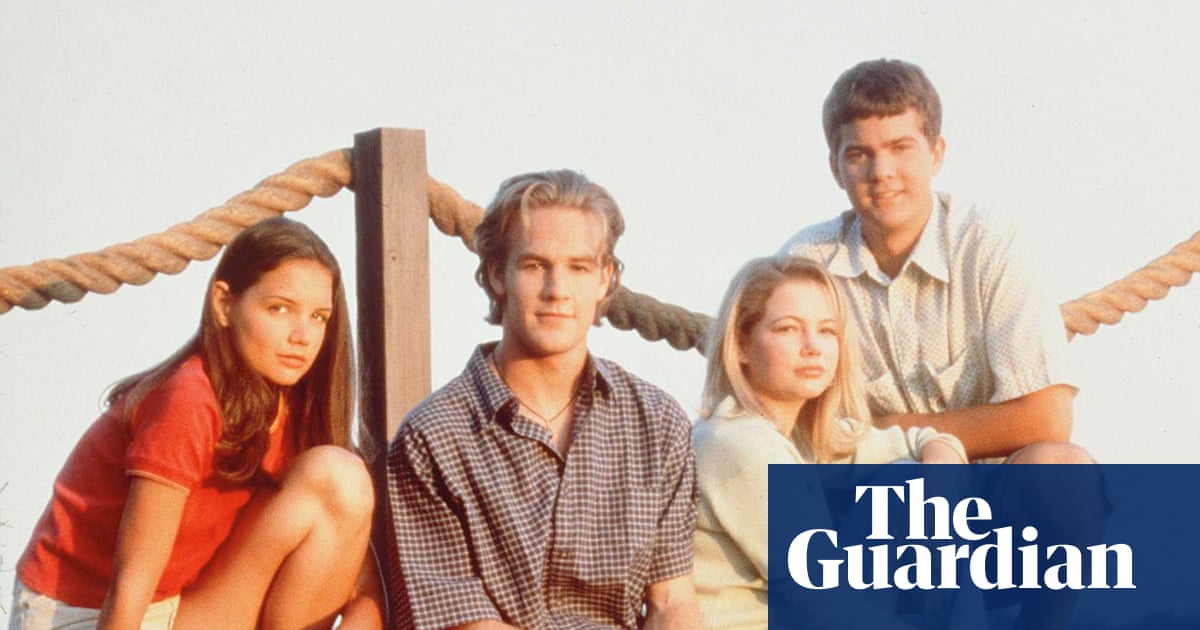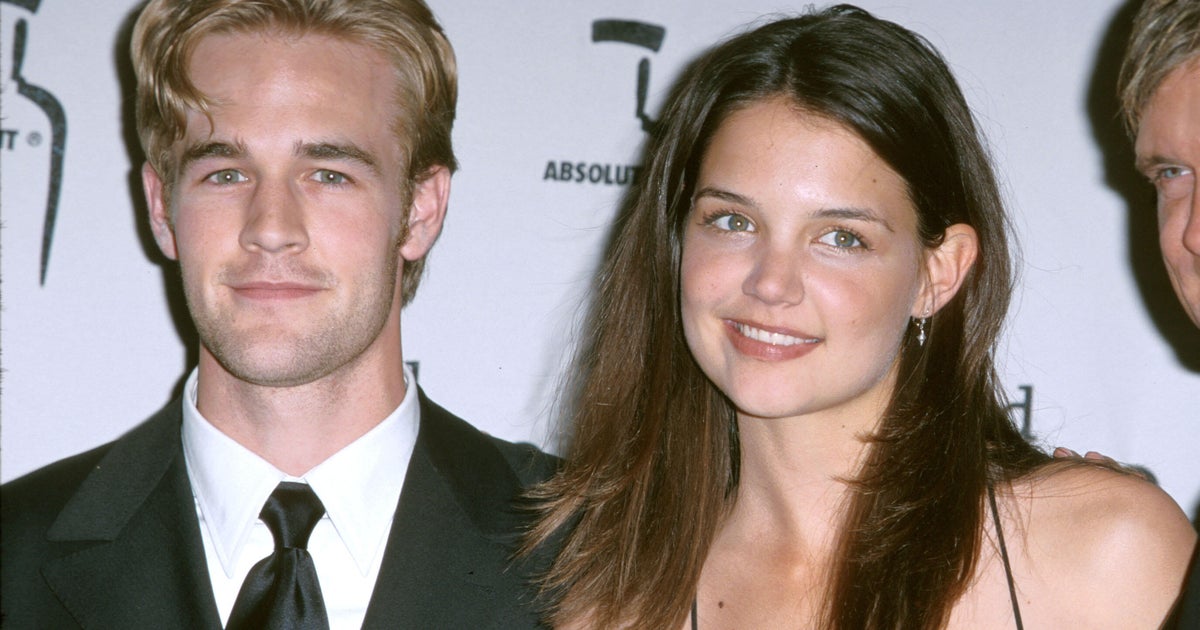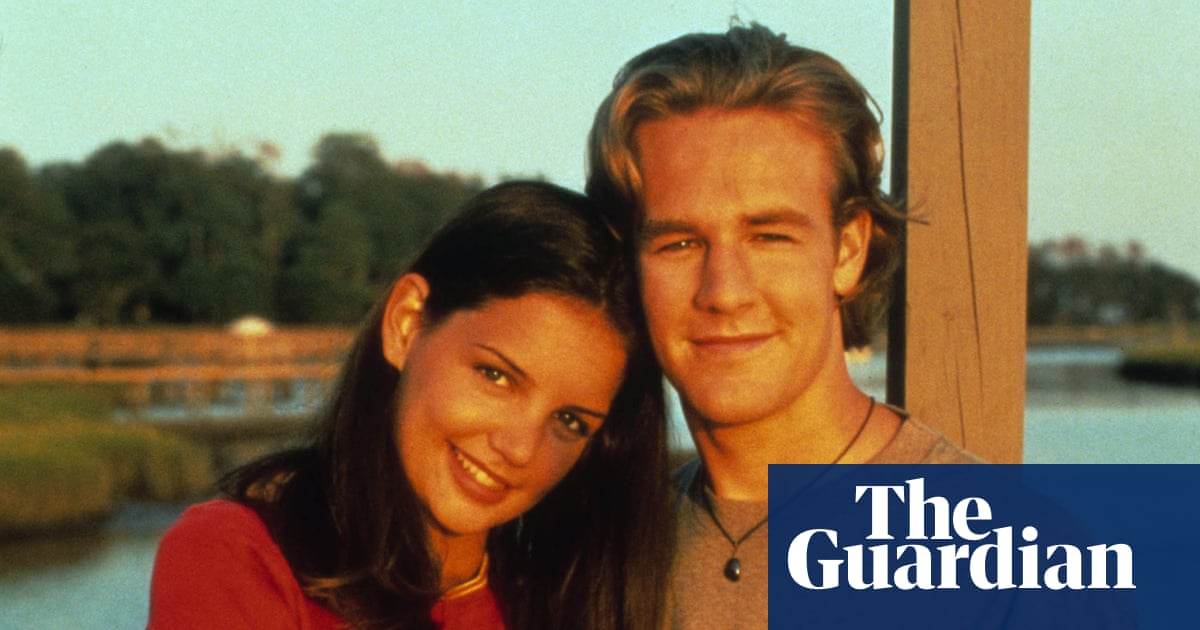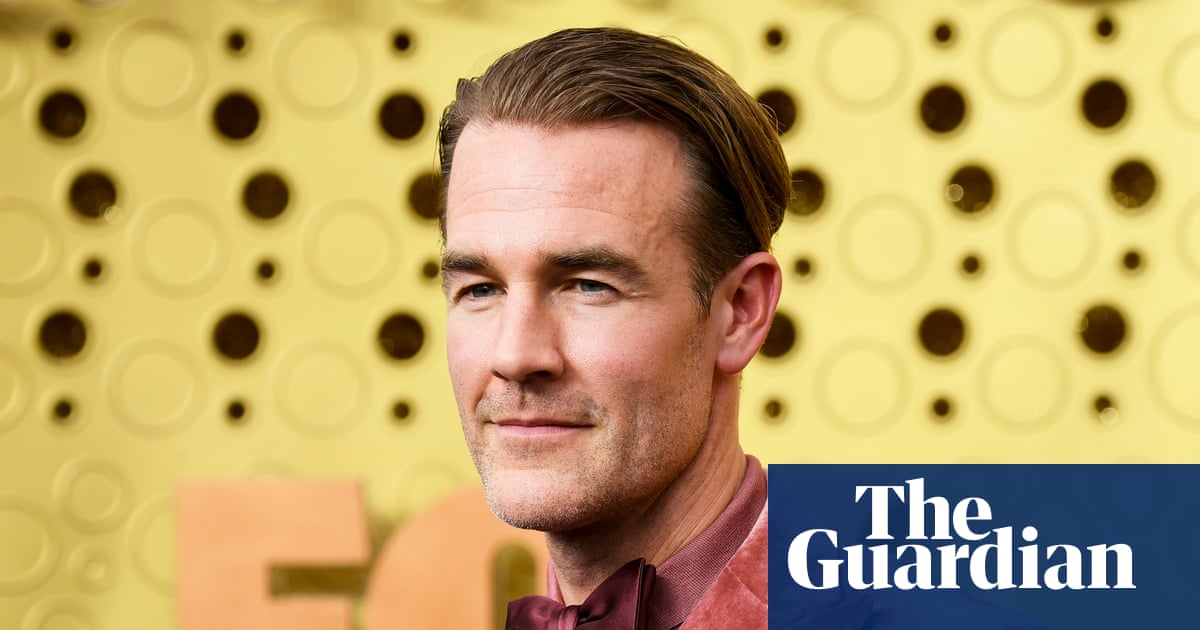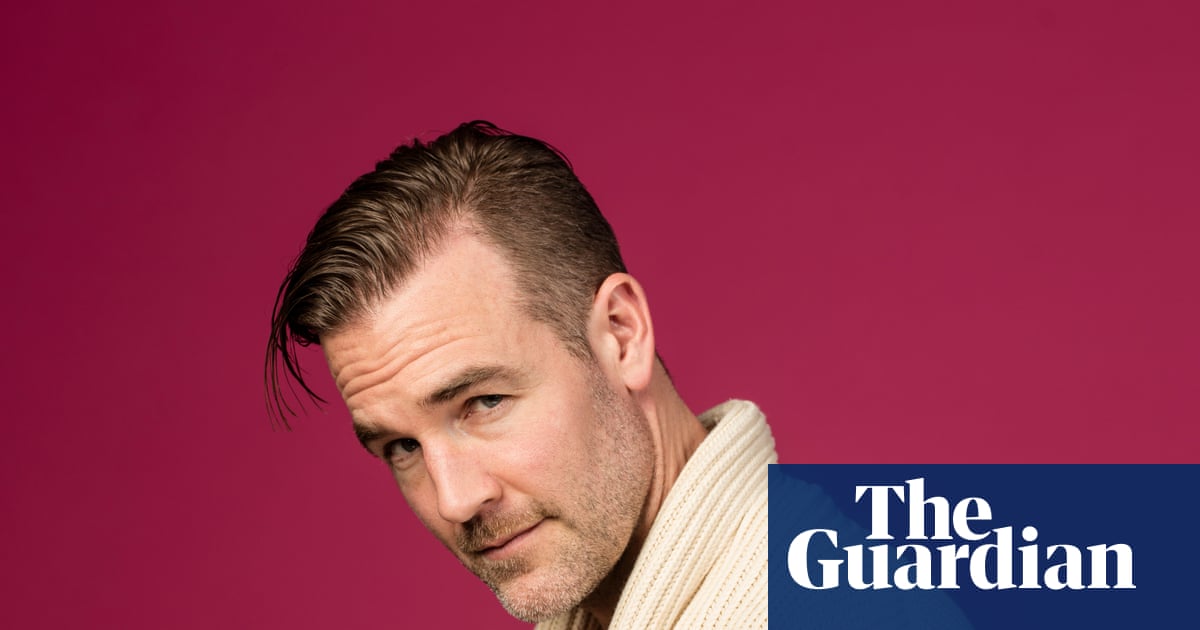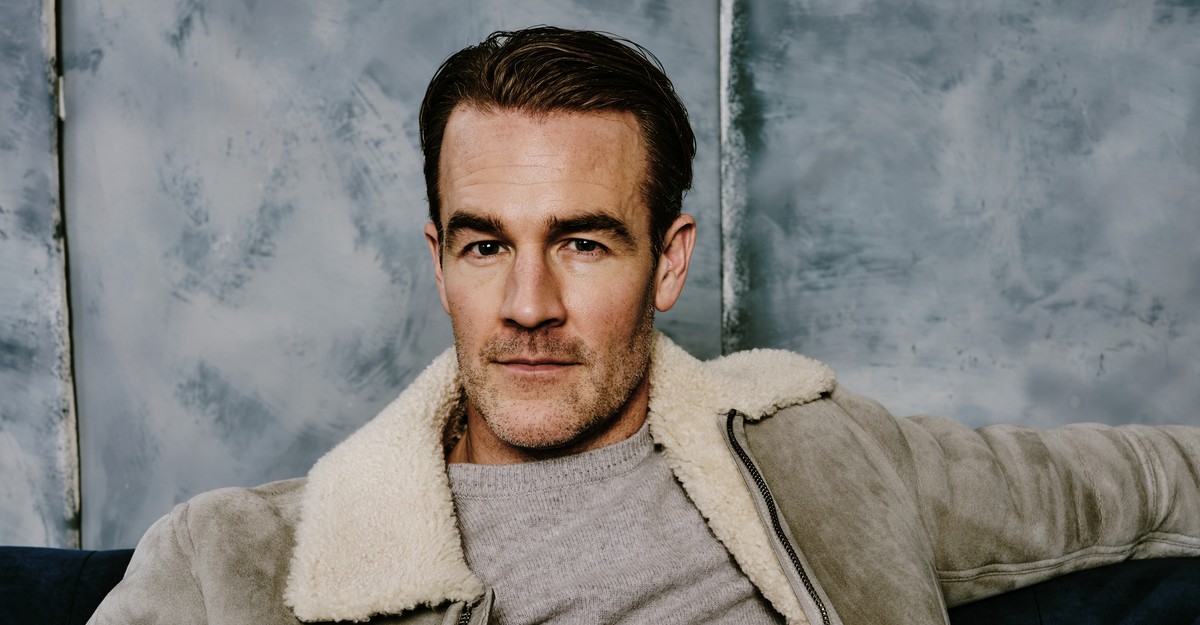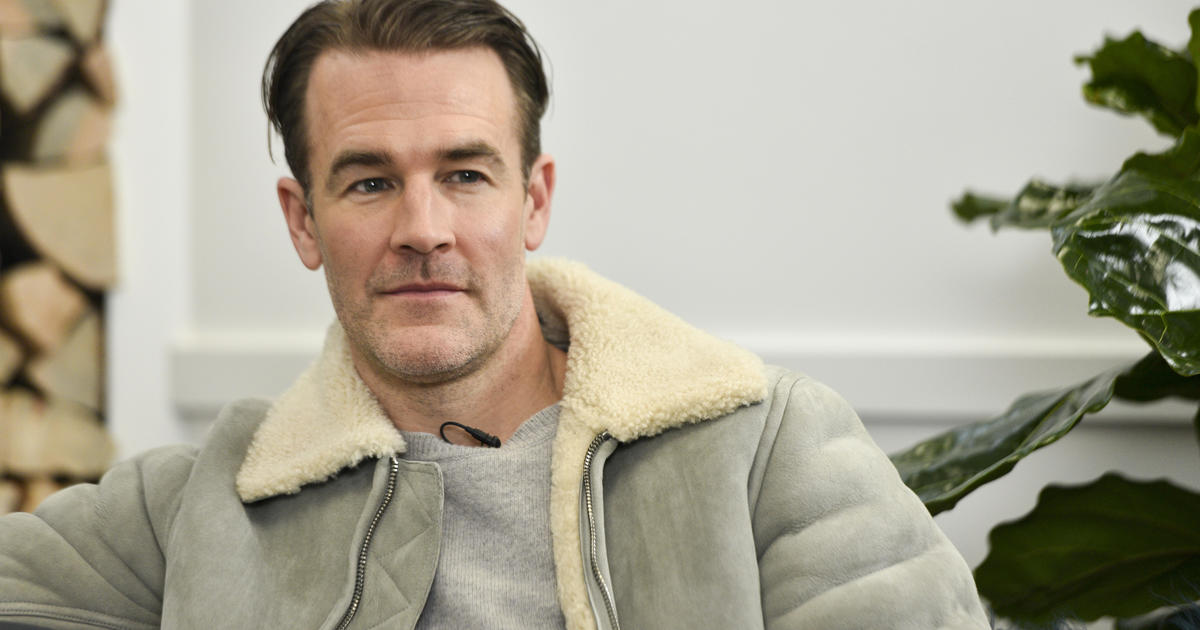





James Van Der Beek, the actor best known for playing Dawson Leery on the 1990s teen drama "Dawson's Creek," has died at the age of 48 after a battle with colorectal/bowel cancer. Both liberal- and conservative-leaning outlets report that he died peacefully surrounded by family, with the news publicly confirmed by his wife Kimberly via Instagram, and that his diagnosis had progressed to stage 3 in the last year or so. Coverage across the spectrum notes his long career arc from breakout teen heartthrob in "Dawson's Creek" and films like "Varsity Blues" and "The Rules of Attraction" to later television work in comedies and dramas, including a self-parodic turn on "Don't Trust the B---- in Apartment 23" and supporting roles in series such as "How I Met Your Mother" and "Pose." There is broad agreement that his death prompted an outpouring of tributes from co-stars, friends, and fans, with widely quoted reactions from Katie Holmes, Busy Philipps, Chad Michael Murray, Mary-Margaret Humes, and other colleagues who praised his talent, kindness, and professionalism.
Liberal and conservative outlets also converge on broader contextual elements: they frame his death in terms of a courageous, public battle with cancer, mention that he had recently withdrawn from a planned "Dawson's Creek" reunion because of his illness, and note that he had used his platform to speak candidly about treatment and to support related fundraising. They describe his cultural impact as emblematic of millennial-era television, with "Dawson's Creek" repeatedly cited as a formative show that addressed adolescence, identity, and relationships, and acknowledge that his later career showcased unexpected range beyond the earnest teen lead that made him famous. Both sides point to the strong emotional reaction from audiences and co-stars as evidence of his enduring influence, and they highlight the practical support for his family through a GoFundMe campaign that quickly raised substantial funds to offset medical and family expenses.
Areas of disagreement
Framing of legacy and meaning. Liberal-leaning coverage centers his artistic legacy, emphasizing specific "Dawson's Creek" storylines, his evolution as an actor, and his role in shaping millennial TV narratives about coming of age and identity. Conservative outlets, by contrast, more often highlight the inspirational and moral dimensions of his story, focusing on his resilience in the face of illness and his personal reflections on life and mortality. While both sides acknowledge his impact on fans, liberal sources treat that impact primarily as cultural and generational, whereas conservative sources tend to treat it as spiritual or values-based.
Role of faith and spirituality. Liberal outlets generally describe his illness and death in secular terms—courage, grace, compassion—rarely foregrounding faith or God except when quoting directly from tributes. Conservative outlets prominently feature a resurfaced video in which Van Der Beek talks about feeling inherently worthy of God's love and his own, using it as a central narrative frame and explicitly describing his message as faith-filled and uplifting. This leads liberal coverage to read more as a remembrance of his career and character, while conservative coverage reads more as a testimony about faith, purpose, and facing mortality.
Emphasis on career versus family and finances. Liberal reporting devotes the bulk of space to his body of work—detailed accounts of "Dawson's Creek" episodes, his later roles, and critical reassessments of his versatility—treating family details and financial matters as secondary. Conservative outlets, while mentioning his career highlights, give relatively more attention to the GoFundMe for his family, his role as a husband and father, and practical concerns around medical costs and ongoing support. As a result, liberal coverage frames his loss primarily as a cultural and artistic one, while conservative coverage frames it as both a personal family tragedy and a community call to rally around survivors.
Tone of celebrity tributes. Liberal-leaning pieces often present tributes from co-stars as windows into the show’s and actor’s place in pop culture history, weaving quotes from Katie Holmes and others into broader reflections on how their characters shaped an era. Conservative outlets quote many of the same or similar tributes but focus less on the nostalgia of the series and more on the virtues they say those colleagues saw in him—words like bravery, gratitude, light, and inspiration are foregrounded as character markers. Thus, where liberal coverage uses tributes to contextualize his influence within television and film, conservative coverage uses them to underscore his moral character and the inspirational message tied to his final months.
In summary, liberal coverage tends to frame Van Der Beek’s death as the loss of a defining generational actor whose career mapped evolving representations of youth and identity on screen, while conservative coverage tends to frame it as the passing of a family man whose public grappling with cancer, faith, and financial strain offers an inspirational example of spiritual resilience and community support.
Story coverage