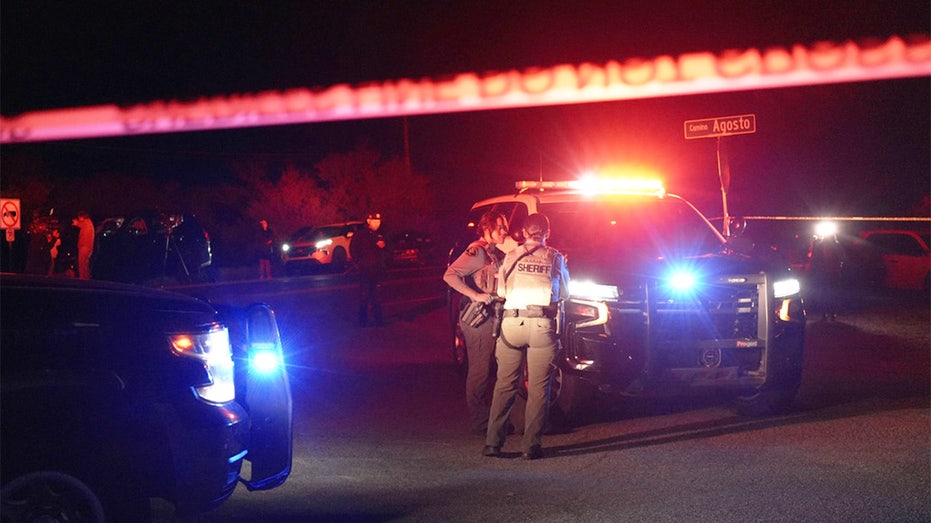



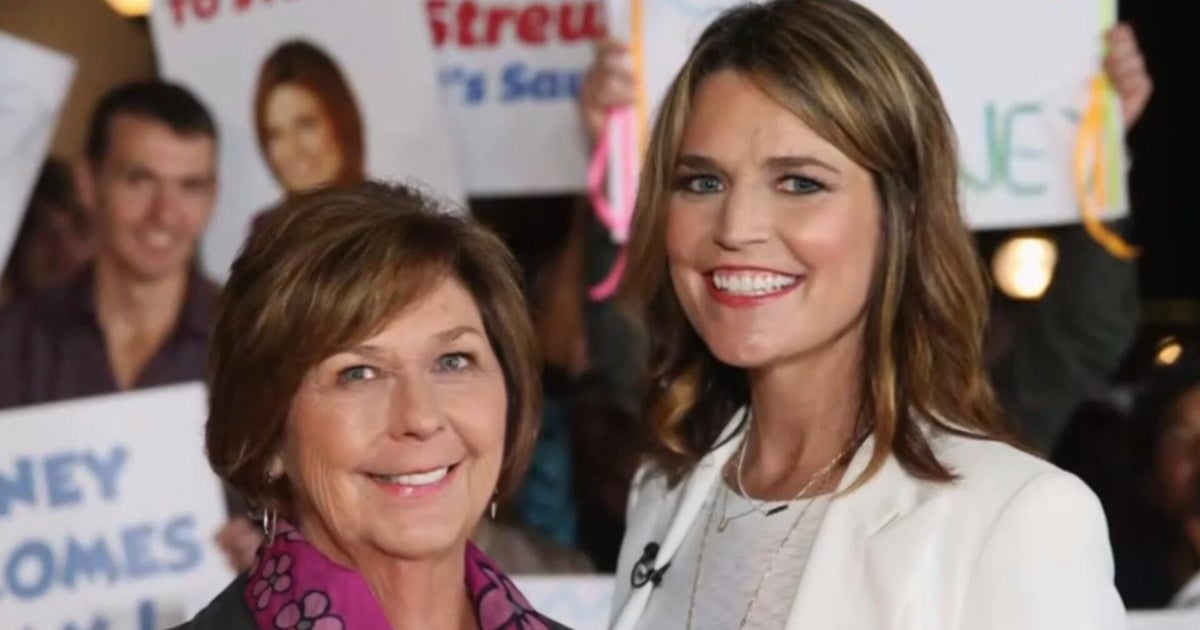
Nancy Guthrie, an 84-year-old woman who requires regular medication, remains missing after what authorities describe as a likely kidnapping from her home, with both liberal and conservative outlets agreeing that a man who was stopped and questioned in Arizona has now been released. Coverage from both sides reports that the Pima County Sheriff's Department and the FBI detained a man who identified himself as Carlos (variously reported as Carlos Palazuelo/Palazuelos) during a traffic stop near Rio Rico, Arizona, questioned him about his whereabouts, seized his phone, and executed a court-authorized search of a home in Rio Rico, but ultimately released him after finding no evidence directly linking him to Guthrie’s disappearance. Both sets of outlets also agree that investigators previously circulated surveillance footage showing a masked individual with what appeared to be a handgun holster outside Guthrie’s home on the night she vanished, and that authorities have not publicly identified any current suspect or confirmed an official person of interest as the search continues.
Liberal and conservative sources alike situate the case within a broader framework of an intensive but so far frustrated law-enforcement effort involving local authorities in Arizona and federal agents, particularly the FBI, who are coordinating searches and evidence reviews. Both sides emphasize the procedural nature of the recent developments: the detention and questioning of the man in Rio Rico are framed as part of standard investigative practice, the search warrant on the home is portrayed as court-approved and methodical, and Guthrie’s age and medical dependence heighten the urgency of the ongoing search. There is shared focus on the institutional role of the sheriff’s department and FBI, the reliance on surveillance technology and traffic stops to generate leads, and the recognition that, despite the high-profile investigation and public appeals, authorities remain without a clear suspect, underscoring the case’s unresolved and evolving status.
Areas of disagreement
Characterization of the detained man. Liberal-leaning coverage is more cautious and sometimes ambiguous about confirming the man’s full identity or official status, often referring to him as someone who says he was detained and questioned and highlighting that authorities have not formally labeled him a person of interest. Conservative outlets more clearly name him as Carlos Palazuelo/Palazuelos and directly tie him to the investigation as a person detained in connection with the case, later emphasizing that authorities found no evidence linking him to Guthrie’s disappearance. The liberal framing underscores uncertainty and the gap between the man’s account and official confirmation, while conservative reporting more straightforwardly connects him to the investigation and then pivots to his release as an investigative dead end.
Emphasis on civil liberties versus public safety. Liberal sources tend to foreground the detainee’s own claims of innocence and the lack of official confirmation, implicitly raising questions about premature labeling and the potential for misidentification or overreach. Conservative coverage more heavily stresses the necessity of aggressive investigative steps—such as the traffic stop, phone seizure, and home search—as justified tools in a high-stakes kidnapping case involving an elderly, vulnerable victim. The liberal framing leans toward protecting individuals from being publicly cast as suspects without clear evidence, while conservative reporting stresses the primacy of rapid, decisive action to protect community safety and find Guthrie.
Tone regarding investigative progress. Liberal-aligned reporting often highlights the ongoing nature of the search and the fact that authorities have neither confirmed a person of interest nor located Guthrie, conveying a sense of uncertainty and institutional opacity. Conservative outlets more explicitly describe the investigation as stalling or struggling after the man’s release, emphasizing frustration over the lack of a viable suspect despite high-profile leads like the surveillance footage. The liberal tone tends to frame developments as part of an evolving but opaque process, whereas the conservative tone more readily portrays the release as a setback and stresses investigative shortcomings.
Use of surveillance and evidence framing. Liberal coverage notes the existence of surveillance video and home searches but provides fewer granular details, treating these as parts of a broader investigatory landscape without drawing strong inferences from them. Conservative outlets more vividly describe the masked figure with a handgun holster in the surveillance footage and connect the timing of the detention and searches to the release of that video, implying a coherent investigative sequence that narrows around specific suspects and locations. The liberal narrative treats the evidence as important but inconclusive, while the conservative narrative uses these details to underscore the seriousness of the crime and the perceived urgency for law enforcement to convert leads into concrete suspects.
In summary, liberal coverage tends to stress uncertainty, civil-liberties concerns, and the lack of confirmed suspects or official labels around the detained man, while conservative coverage tends to highlight decisive law-enforcement action, name the detainee more directly, and frame his release as a troubling setback in a high-stakes search for a vulnerable victim.
Story coverage