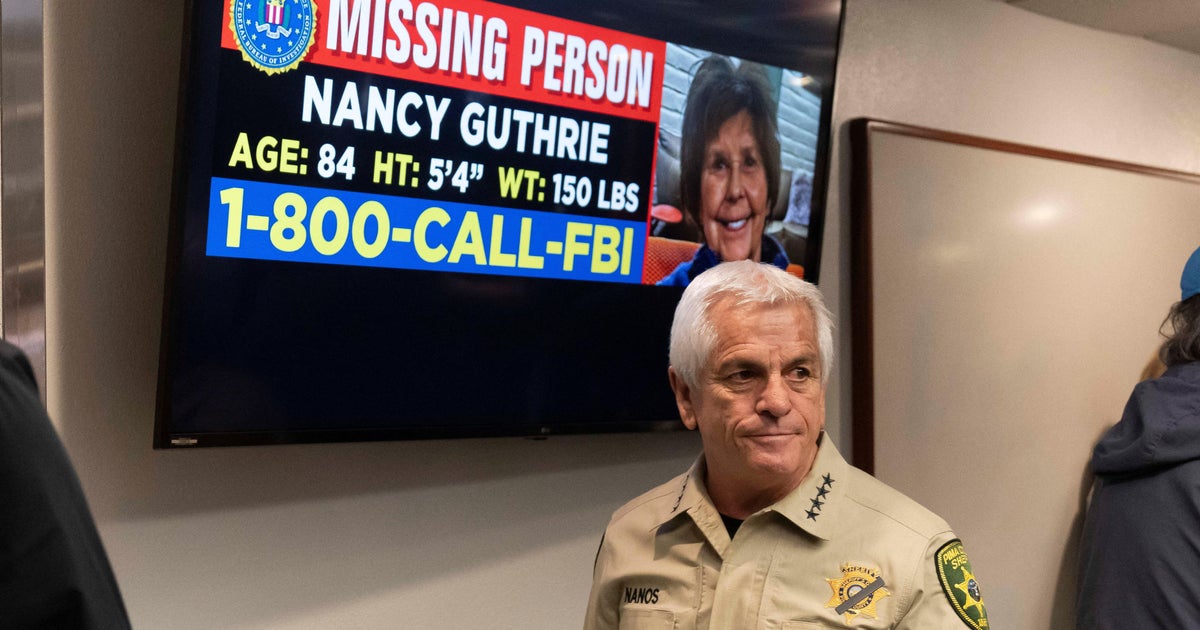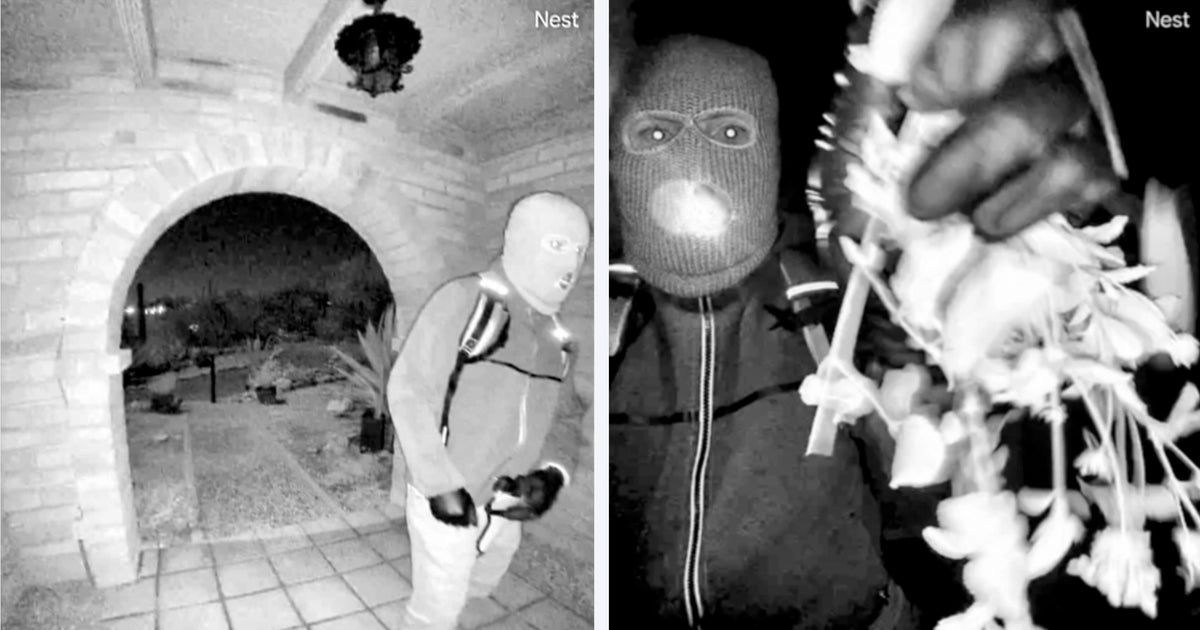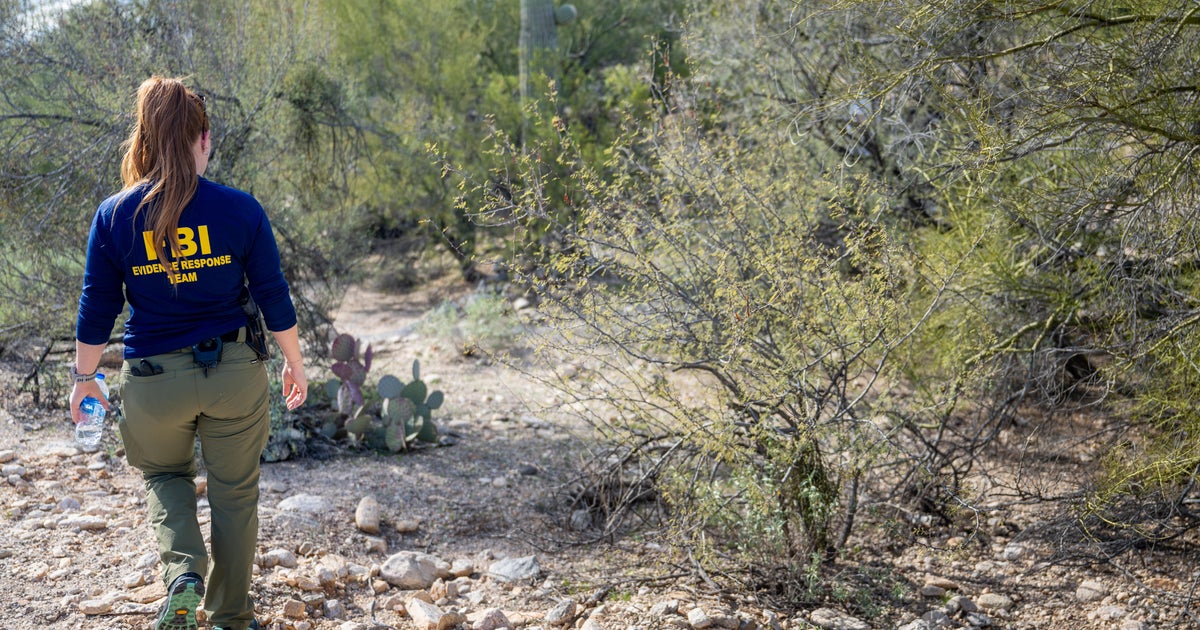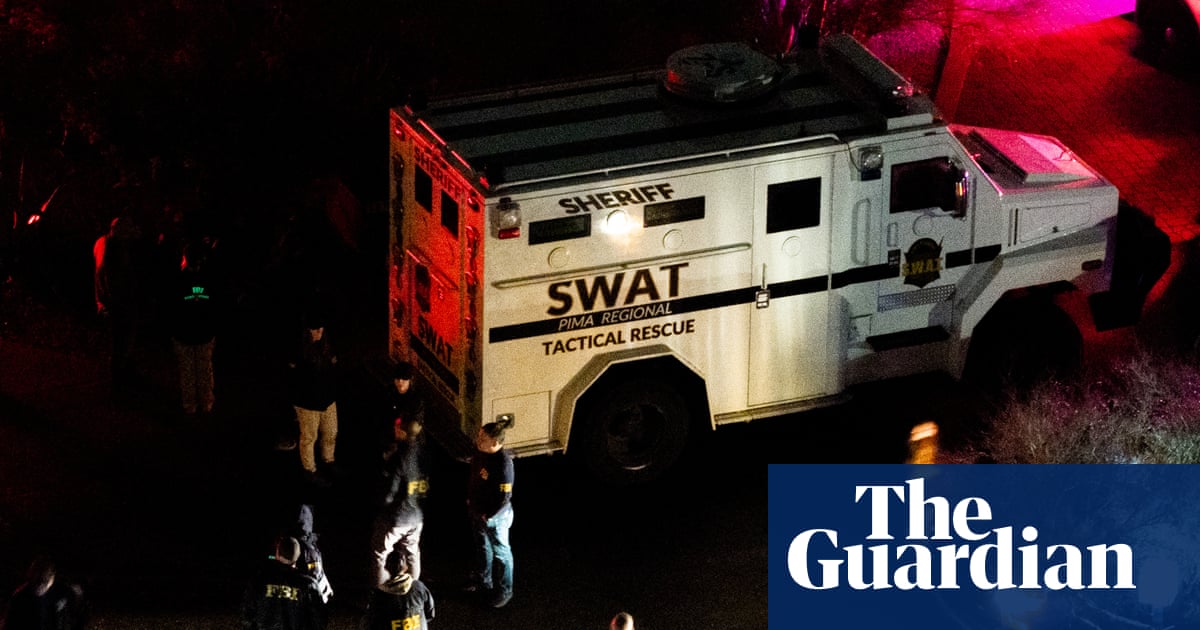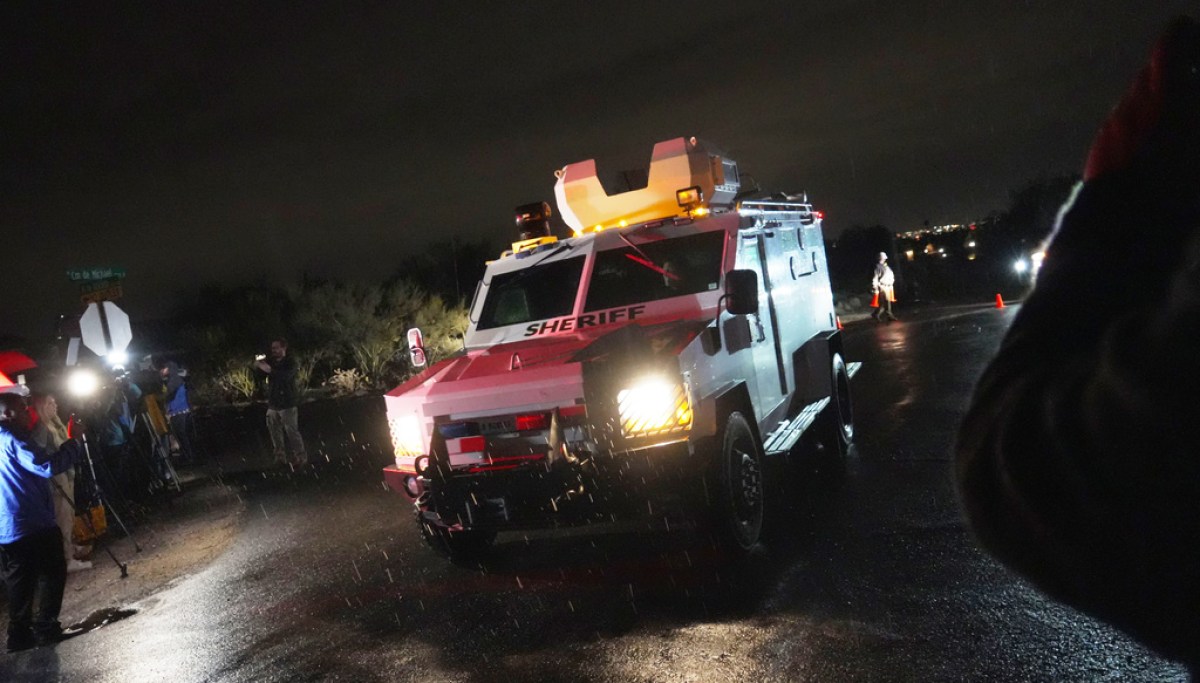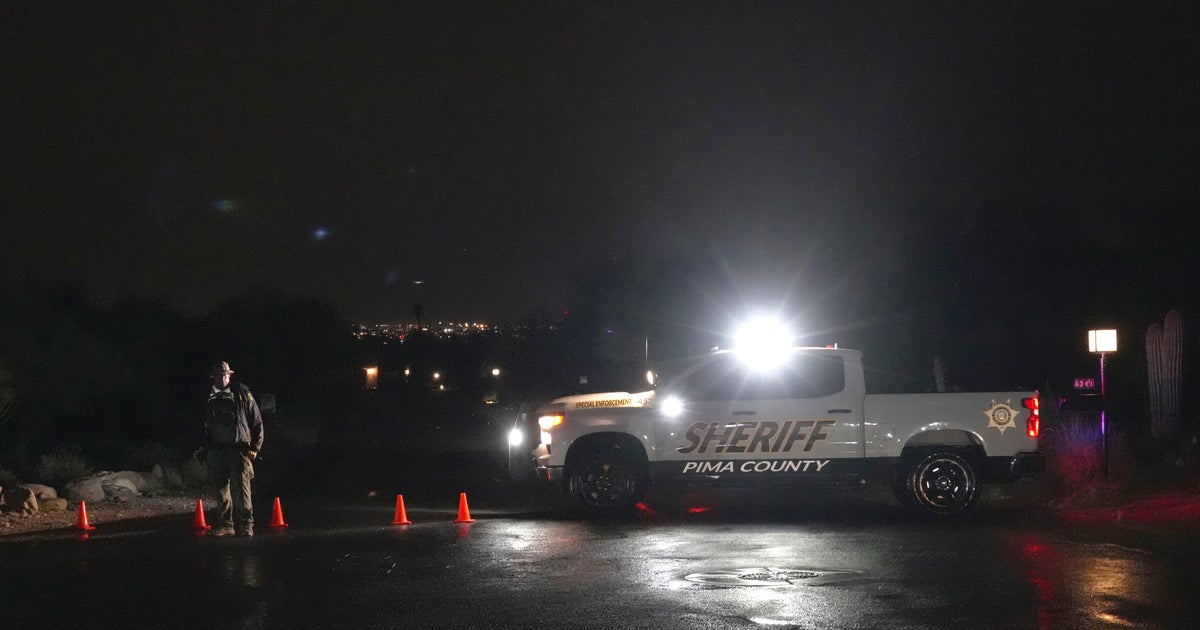




Nancy Guthrie, the 84-year-old mother of "Today" show host Savannah Guthrie, remains missing after disappearing from her Tucson-area home around January 31–February 1, with both liberal- and conservative-leaning outlets agreeing on a core factual timeline. Doorbell and other surveillance footage show a masked man with a backpack and gloves on or near her porch, tampering with a camera; a man with a similar backpack was later seen about five miles away shortly before the suspected abduction. Both sides report that blood believed to be Nancy’s was found on her porch, that alleged ransom notes demanding Bitcoin were received, and that a large-scale search involving hundreds of federal and local agents has been underway for nearly two weeks, including the sealing off of a nearby road and execution of a federal search warrant at a residence about two miles from her home, where DNA not belonging to her was recovered but no arrests were made. They agree that investigators discovered black gloves near her home resembling those seen in the video, that these and other items have been sent for DNA testing, and that the FBI has released a first physical description of a male suspect based on video analysis, while also increasing the reward to $100,000 and placing the case on a high-priority list.
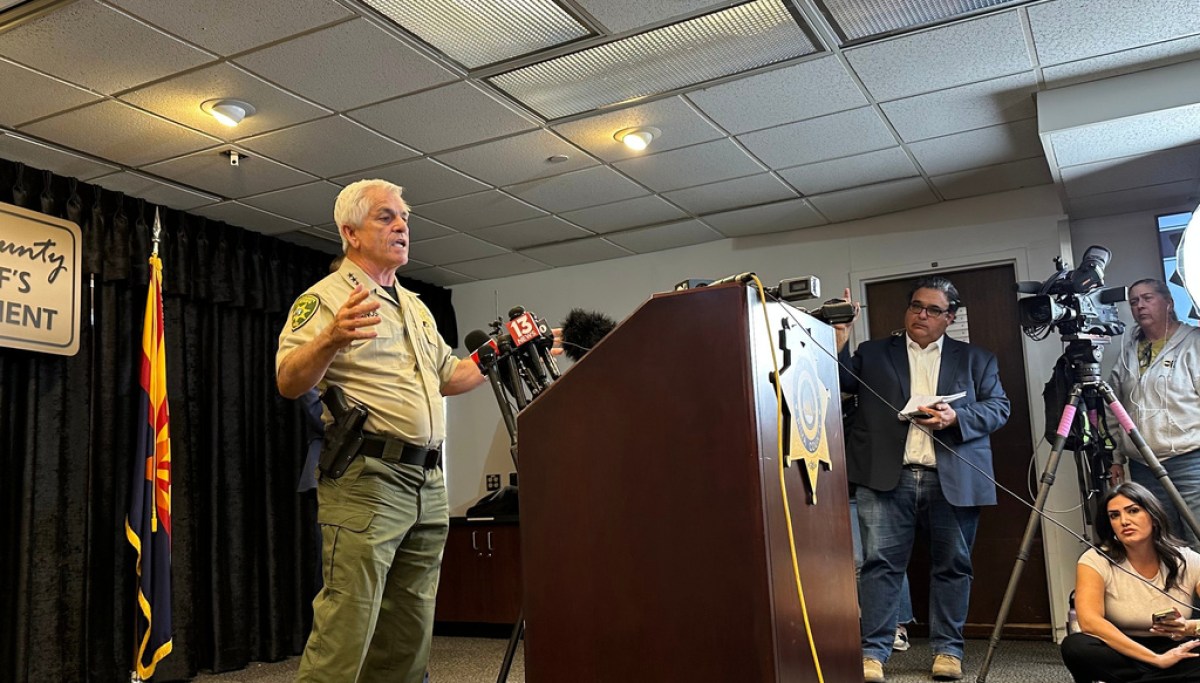
Coverage across the spectrum also converges on the institutional and procedural context of the investigation, depicting a complex joint effort by the Pima County Sheriff’s Department, the FBI, and specialized forensic labs. Liberal and conservative outlets alike emphasize the heavy volume of tips—numbering in the thousands after the video release—and the painstaking vetting process required, as well as the strategic push for additional neighborhood surveillance footage from the month before Guthrie vanished to identify suspicious people or vehicles. Both acknowledge that Sheriff Chris Nanos opted to send multiple gloves and other possible DNA evidence to a private lab in Florida rather than exclusively relying on the FBI lab system, presenting this as an attempt (at least on its face) to expedite and consolidate forensic work. In shared framing, the case is described as a high-profile example of the challenges in resolving disappearances of elderly victims, the strain on investigative resources, and the emotional toll on the Guthrie family and other families of missing persons watching the case unfold.
Areas of disagreement
Institutional conflict and evidence handling. Liberal-leaning coverage generally foregrounds Sheriff Nanos’s explanation that sending DNA evidence to a Florida lab was done in coordination with the FBI to improve speed and efficiency, often quoting his denials that he blocked federal access and highlighting his claim of interagency agreement. Conservative outlets, by contrast, elevate anonymous federal sources who allege that the sheriff’s insistence on using a private lab has slowed the case and effectively hindered the FBI’s work, framing this as a bureaucratic or leadership failure. Where liberal sources tend to treat the dispute as a manageable procedural wrinkle in a cooperative investigation, conservative sources depict it as a serious institutional rift that may be impeding justice.
Political framing and national spotlight. Liberal-aligned reporting focuses more on the investigative developments themselves—new suspect descriptions, the backpack video, glove discoveries, and active leads—while only secondarily acknowledging political overtones when national figures or jurisdictional issues arise. Conservative coverage more often situates the case within a broader political context, including highlighting questions directed at President Trump about why the FBI has not fully “taken over” and emphasizing alleged local obstruction as a point of federal–local tension. As a result, liberal outlets present the story primarily as a criminal investigation with institutional nuances, whereas conservative outlets frequently cast it as part of a larger narrative about law enforcement priorities, competence, and federal authority.
Emphasis on investigative progress versus dysfunction. Liberal sources generally stress that investigators are "actively working leads" and deploying substantial resources—from SWAT deployments and search warrants to forensic analyses and public tips—conveying a sense of methodical, if frustratingly slow, progress. Conservative reporting, although acknowledging these efforts, more heavily underscores delays, uncertainties, and the risk that mishandled evidence or fragmented decision-making could undermine the search, sometimes suggesting families and the public are being left in limbo. Thus, liberal coverage tends to highlight concrete steps and cooperation among agencies, while conservative coverage accentuates the gaps, delays, and possible mismanagement in the response.
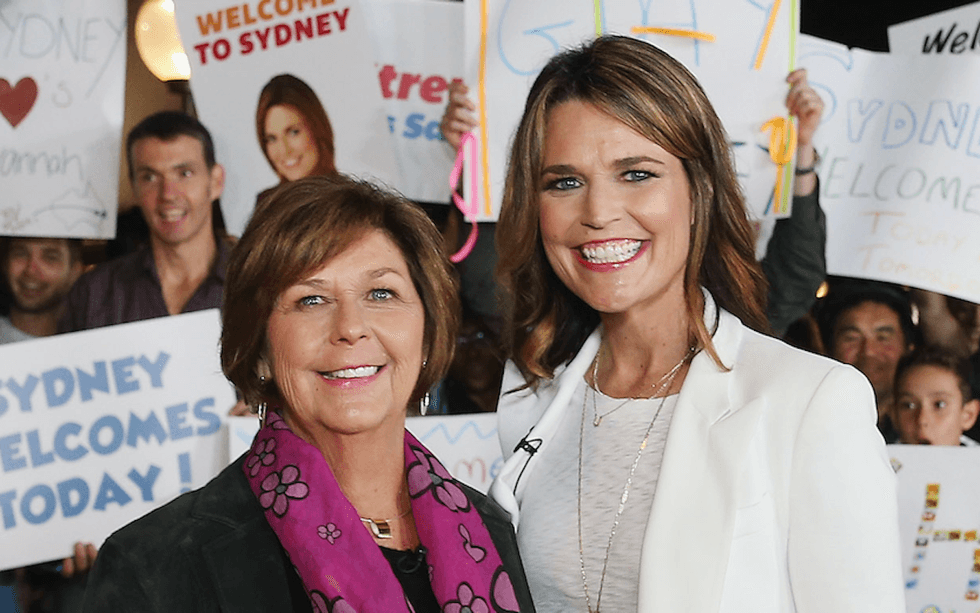
Portrayal of media profile and public attention. Liberal-leaning outlets more prominently connect the case to Savannah Guthrie’s public role, using that fact to explain the intense national media attention and to amplify family appeals, while also occasionally noting how this visibility compares to other missing-person cases. Conservative outlets reference her media profile but are more inclined to frame the case as part of a wider discussion about all families of missing persons, sometimes questioning whether this case’s prominence contrasts with the relative obscurity of similar cases without media connections. Consequently, liberal coverage leans into the emotional resonance and urgency created by the Guthrie family’s visibility, whereas conservative coverage uses that visibility to interrogate patterns of attention and perceived inequities in how missing persons cases are prioritized.
In summary, liberal coverage tends to emphasize cooperative law enforcement efforts, concrete investigative steps, and the human and emotional dimensions of the Guthrie family’s ordeal, while conservative coverage tends to stress institutional conflict, the possibility of mismanagement or delay, and the broader political and systemic implications of how this high-profile disappearance is being handled.
Story coverage