
liberal
Iran partially closes Strait of Hormuz, a vital oil choke point, as Tehran holds talks with U.S.
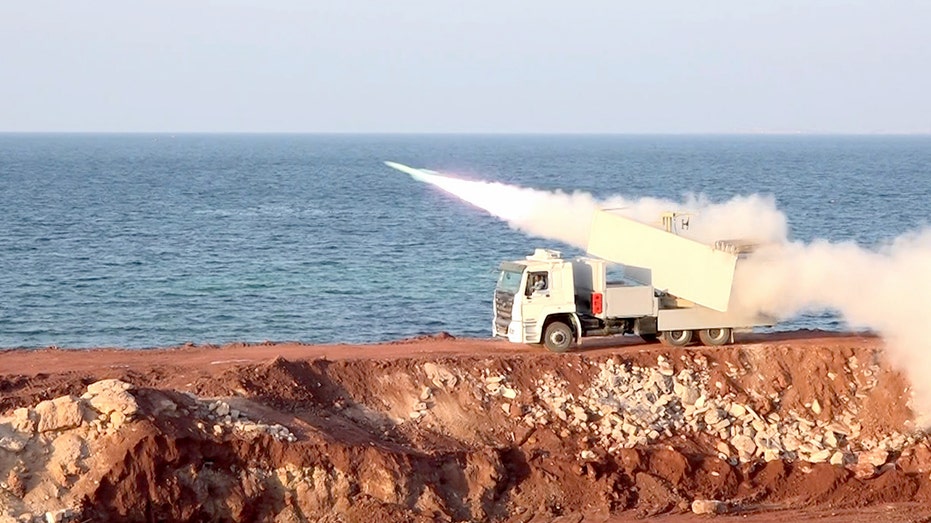
Iranian state media reported the partial closure of the Strait of Hormuz on Tuesday for military drills in the waterway.
a month ago
Iran has partially and temporarily closed sections of the Strait of Hormuz for several hours to conduct live-fire naval drills by the Revolutionary Guard, including missile launches, in a move reported as the first of its kind and framed as limited in duration. Both liberal and conservative outlets agree that this occurred at roughly the same time as U.S.-Iran nuclear talks in Geneva, described as either a second round or a new phase of negotiations involving U.S. envoys and Iranian officials. Coverage from both sides notes that the strait is a vital global oil chokepoint and that the maneuvers raised regional alarm, with U.S. Central Command publicly urging Iran to conduct exercises safely and avoid endangering freedom of navigation. Reports also concur that U.S. forces in the region were on heightened alert, that the closure was presented by Tehran as tied to scheduled drills rather than a formal blockade, and that oil markets reacted but did not spiral into crisis, with some liberal coverage highlighting a subsequent easing in oil prices.
Liberal and conservative sources alike situate the event within the broader context of long-running disputes over Iran’s nuclear program, sanctions pressure, and past Iranian threats to close the Strait of Hormuz during periods of heightened tension. Both emphasize the strategic importance of the waterway for global energy supplies and the long-standing U.S. role as security guarantor for Gulf shipping lanes. The Geneva talks are described across the spectrum as an attempt to define principles or frameworks for a possible nuclear agreement, with no immediate breakthrough but a shared recognition that the talks are consequential for regional stability. Outlets on both sides agree that Iran’s drills serve as a form of strategic signaling — showcasing deterrent capabilities while negotiations proceed — and that Washington is simultaneously relying on diplomacy and a visible regional military posture to manage escalation risks.
Framing of the military drills. Liberal outlets tend to describe the move as a partial and temporary closure for pre-announced exercises, stressing procedural framing and the limited duration to downplay an imminent crisis, while conservative outlets highlight live missile launches and Iran’s stated willingness to close the strait if ordered, presenting a more acute threat narrative. Conservative coverage often uses terms like "alarming" and underscores this being the first such closure as a dramatic escalation, whereas liberal coverage more often embeds the drills in a pattern of periodic Iranian maneuvers in the Gulf. As a result, liberal articles read as emphasizing risk management and signaling, while conservative stories stress brinkmanship and coercive leverage.
Tone toward U.S. diplomacy. Liberal-aligned reporting generally portrays the Geneva nuclear talks as a delicate but necessary diplomatic track, treating the drills as a complicating backdrop yet still emphasizing that both sides are testing principles for a possible accord. Conservative outlets frame the same talks more skeptically, suggesting Iran is using negotiations as cover while flexing military muscle and questioning whether U.S. envoys are projecting sufficient strength. Where liberal coverage notes the talks produced an "understanding on guiding principles" despite tensions, conservative pieces focus more on the lack of concrete agreement and the possibility that engagement may embolden Tehran.
Assessment of U.S. military posture. Liberal sources typically mention the increased U.S. regional presence in more matter-of-fact terms, framing it as a stabilizing measure to reassure allies and protect shipping lanes while talks proceed. Conservative coverage more strongly foregrounds the buildup, casting it as a necessary response to Iranian aggression and sometimes implying that even more assertive deterrence may be required. While liberal accounts tend to balance discussion of military moves with emphasis on diplomatic outcomes and market reactions, conservative pieces concentrate on readiness, freedom of navigation warnings by U.S. Central Command, and the risk that perceived U.S. restraint could invite further Iranian tests.
Economic and regional impact. Liberal outlets give more attention to how oil prices initially reacted and then declined after the talks, suggesting markets interpreted the closure as controlled signaling rather than a prelude to full-scale disruption, and they situate the incident in the broader economic stakes of maintaining the shipping corridor. Conservative coverage more often highlights the shockwaves and "alarming signals" sent across the Middle East, emphasizing the vulnerability of Gulf states and global energy supplies to Iranian actions. Consequently, liberal reporting leans toward portraying the episode as a manageable flare-up within a tense but structured process, while conservative reporting underscores systemic risk and the potential for miscalculation to trigger a wider regional crisis.
In summary, liberal coverage tends to depict the partial closure as limited, largely symbolic military signaling alongside fragile but necessary diplomacy, while conservative coverage tends to present it as a serious escalation that exposes the dangers of trusting negotiations with an emboldened and aggressive Iran.