



conservative
Trump Says He Will Be ‘Involved Indirectly’ in US–Iran Talks
‘I don’t think they want the consequences of not making a deal,’ the U.S. president told reporters.
a month ago
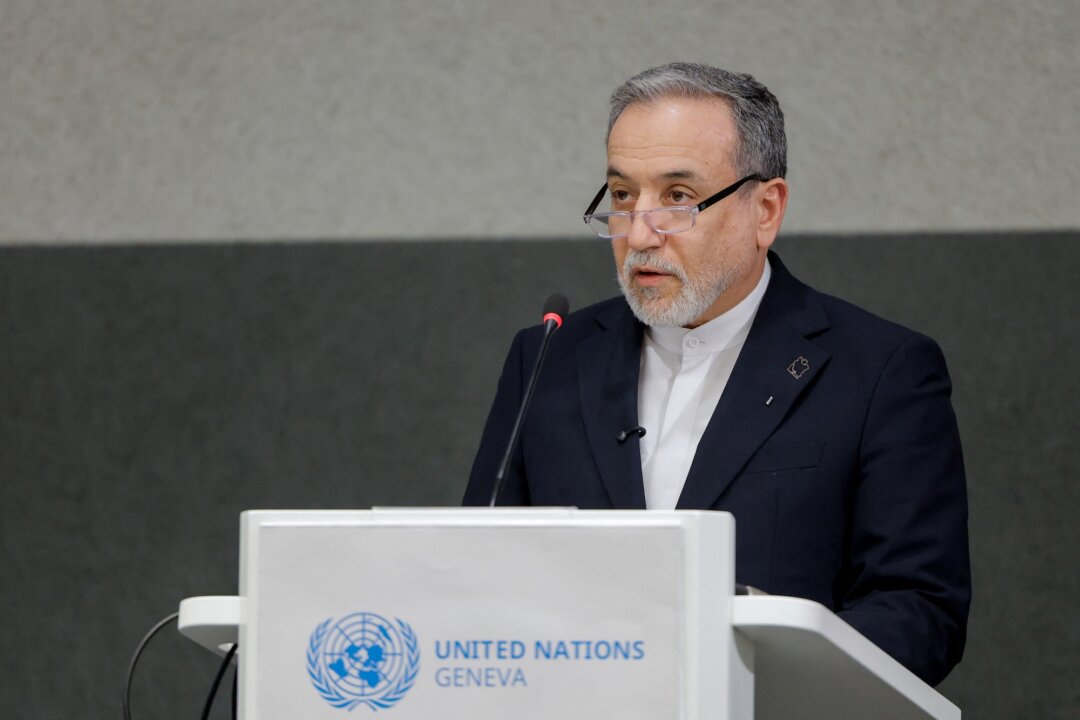
U.S. and Iranian officials, meeting indirectly in Geneva with mediation reportedly involving Oman, have both acknowledged emerging "guiding principles" for a possible nuclear agreement focused on Tehran’s nuclear program. Coverage across liberal and conservative outlets agrees that this was the second round of talks, that the atmosphere showed some signs of progress and seriousness, and that Iranian negotiator Abbas Araghchi publicly described the outcome as a general understanding marking the start of a longer negotiation. Both sides also report that the talks remain preliminary, that any final deal will be complex and detailed, and that Washington is seeking assurances to restrain Iran’s nuclear activities, with additional U.S. and Israeli concerns about ballistic missiles hovering around the discussions.
Liberal and conservative reports converge on the idea that Geneva represents a renewed attempt at a diplomatic off-ramp from escalation in the Middle East, where Iran’s nuclear ambitions, regional tensions, and U.S. deterrence posture intersect. Both sets of outlets situate the talks within long-running international efforts to constrain Iran’s nuclear program through negotiated limits, referencing experienced Iranian diplomats and U.S. political pressures as important background factors. They acknowledge that the talks occur under the shadow of potential military confrontation — discussed in terms of threatened strikes or broader regional conflict — and that economic stakes, including global oil markets and the security of the Strait of Hormuz, add urgency to finding a diplomatic framework. There is shared recognition that domestic politics in both countries, especially under President Trump, will influence how far and how fast any tentative Geneva understandings can be turned into a binding agreement.
Framing of progress. Liberal-aligned outlets tend to underline the "clearer path ahead" and describe the talks as serious, constructive, and a significant diplomatic opening that could reduce conflict and stabilize oil markets. Conservative outlets acknowledge progress but frame it more cautiously, emphasizing that only general principles have been reached and underscoring how much detailed, difficult bargaining still lies ahead. Where liberal coverage stresses the diplomatic momentum and the possibility of de-escalation, conservative coverage often treats Geneva as an initial test of Iranian seriousness rather than a breakthrough.
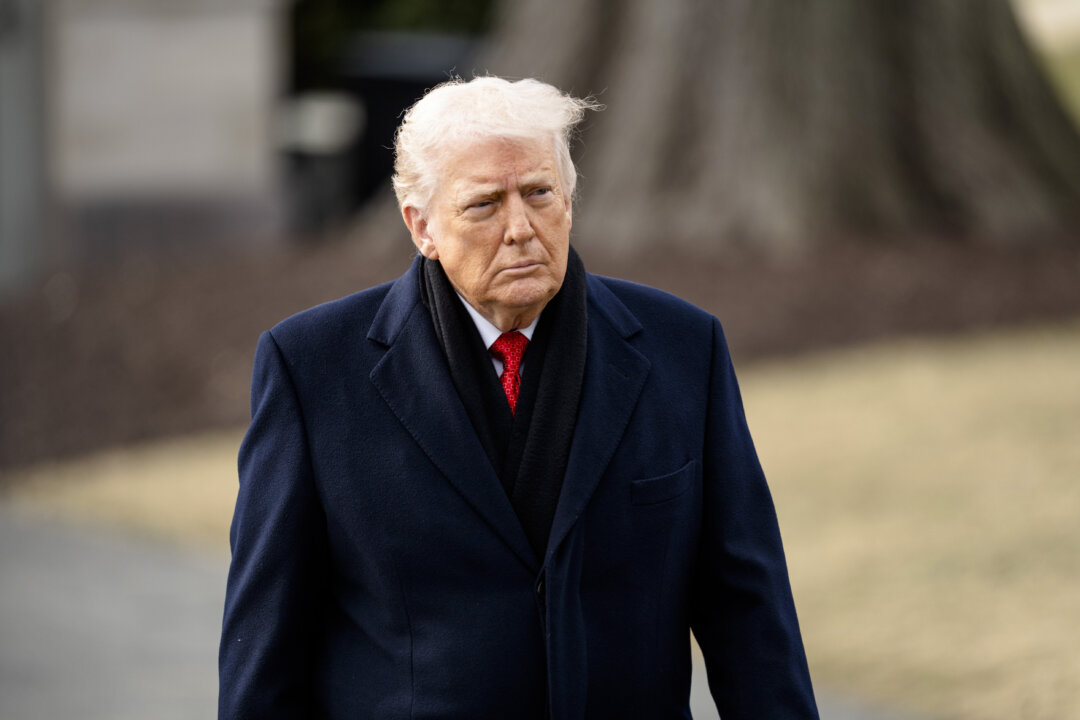
Role and posture of the United States. Liberal coverage underscores the constraints and volatility introduced by President Trump’s threats, highlighting how U.S. maximalist demands and domestic politics complicate diplomacy, and portraying American aims as partly shaped by Israeli pressure on ballistic missiles. Conservative coverage centers Trump as an active shaper of the process, echoing his statements about being "involved indirectly" and presenting U.S. pressure — including implied threats of strikes — as leverage that pushed Iran back to the table. In liberal narratives, U.S. behavior is a factor that can either enable or derail a fragile diplomatic opening, while in conservative narratives it is portrayed more as a necessary firmness to enforce limits on Iran.
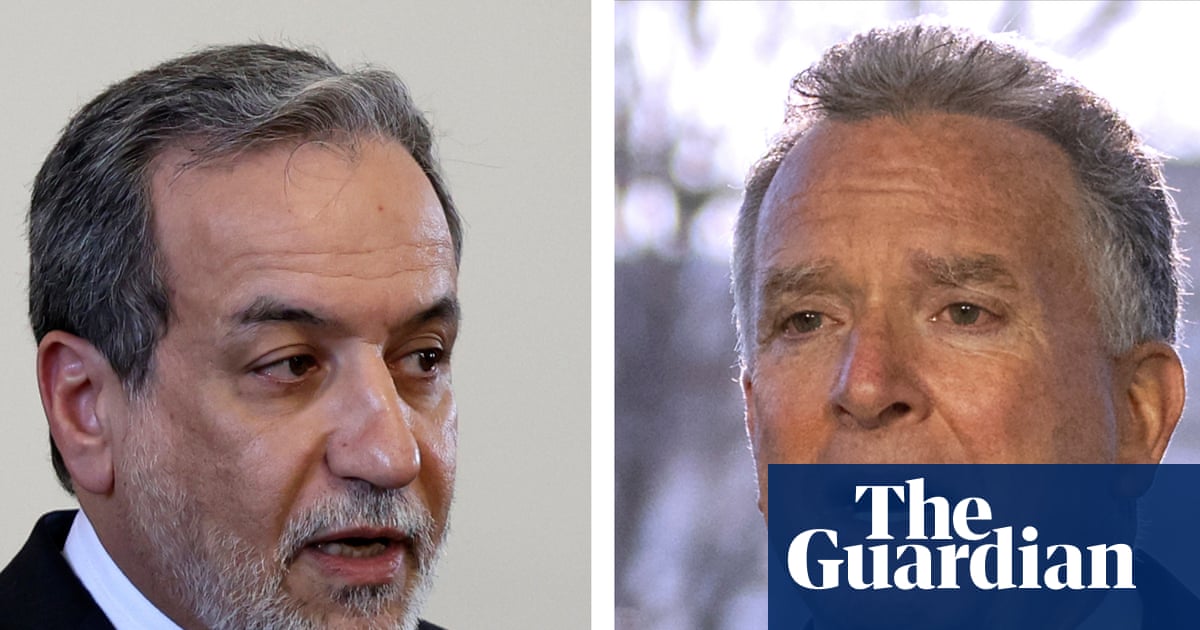
Characterization of Iran and its negotiators. Liberal outlets profile Abbas Araghchi as a skilled, patient negotiator whose bazaar-hardened style and ability to build "Golden Bridges" for adversaries may be key to avoiding war, casting Iran as a rational actor seeking sanctions relief and stability while still protecting national pride. Conservative outlets devote less attention to his personality and more to Iran’s need to accept verifiable restraints, implicitly treating Tehran as a potential proliferator that must be compelled to comply. Thus liberal coverage emphasizes diplomatic craft and mutual face-saving, whereas conservative coverage foregrounds Iran’s track record and the necessity of strict limits and verification.
Regional and economic stakes. Liberal reporting links the Geneva progress to falling oil prices and the prospect of easing regional tensions, while simultaneously noting Iran’s war games in the Strait of Hormuz as evidence of a complex, dual-track strategy of negotiation plus deterrent signaling. Conservative coverage, by contrast, highlights the security stakes in terms of preventing Iran from acquiring a nuclear weapon and suggests that failure to reach a robust deal could justify or necessitate military options. Where liberals stress global economic interdependence and the risk of miscalculation in a militarized Gulf, conservatives focus more on nonproliferation red lines and the credibility of U.S. threats and assurances.
In summary, liberal coverage tends to frame the Geneva guiding principles as a cautiously hopeful diplomatic opening that can lower regional tensions and stabilize markets if U.S. pressure is balanced with flexibility, while conservative coverage tends to treat the same outcome as a tentative, hard-won step that must be backed by firm leverage, strict conditions, and a continued readiness to escalate if Iran does not ultimately accept strong, verifiable limits.