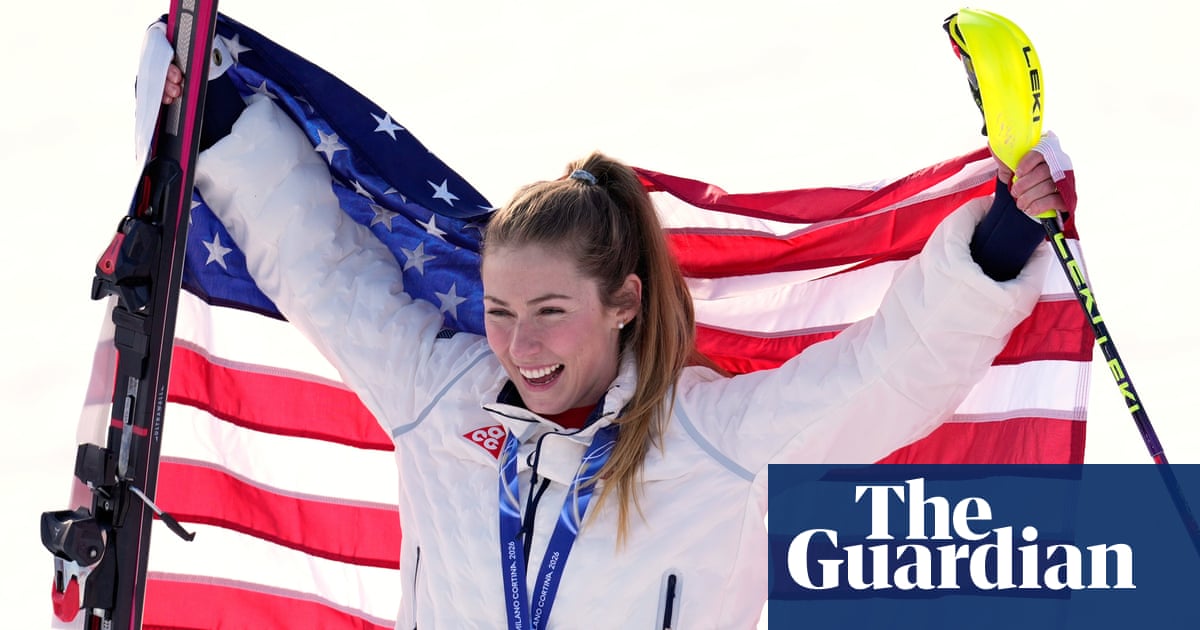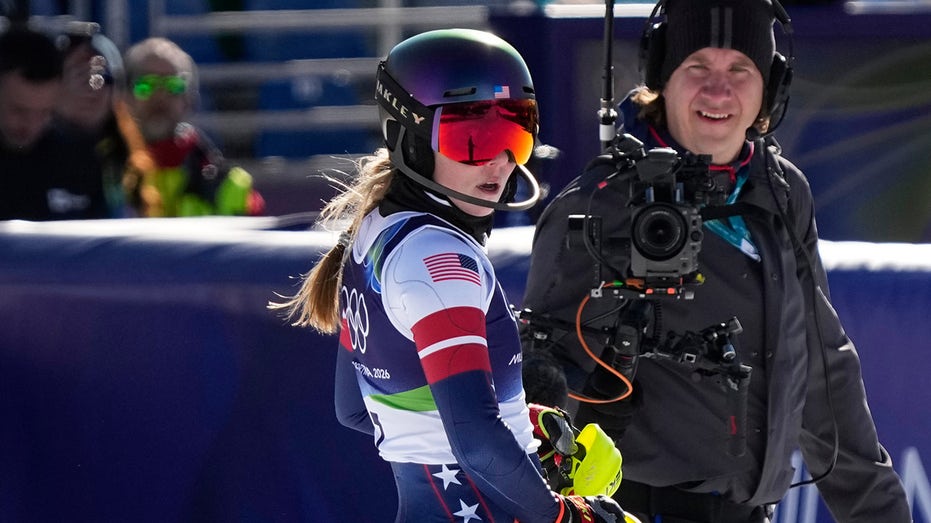

Mikaela Shiffrin won the women’s slalom gold medal at the Winter Olympics, clocking a combined time reported around 1:39 and securing her third Olympic gold overall and second in slalom. Both liberal and conservative outlets agree that she rebounded from a difficult, medal-less Beijing 2022 campaign, that she built a substantial margin of victory over the field, and that Switzerland’s Camille Rast and Sweden’s Anna Swenn Larsson completed the podium with silver and bronze, respectively. Coverage on both sides notes that this win ended her Olympic medal drought, emphasizes the historical dimension of her becoming the first U.S. skier to reach this particular benchmark in slalom, and frames the result as a culmination of a years-long quest stretched over more than a decade.
Across the ideological spectrum, outlets situate this gold within Shiffrin’s broader career as one of the most dominant alpine skiers in history, marked by record World Cup wins and intense expectations. They concur that her journey has been shaped by personal tragedy, especially the death of her father in 2020, and by struggles with confidence and mental strain after highly publicized crashes and disappointments. Both liberal and conservative reporting reference her long road back from injury and psychological scars, portraying Beijing as a low point and this Olympics as a narrative arc of redemption. There is shared recognition that her victory speaks to resilience, sustained excellence in a high‑pressure sport, and the mental demands placed on star American athletes at global events.
Areas of disagreement
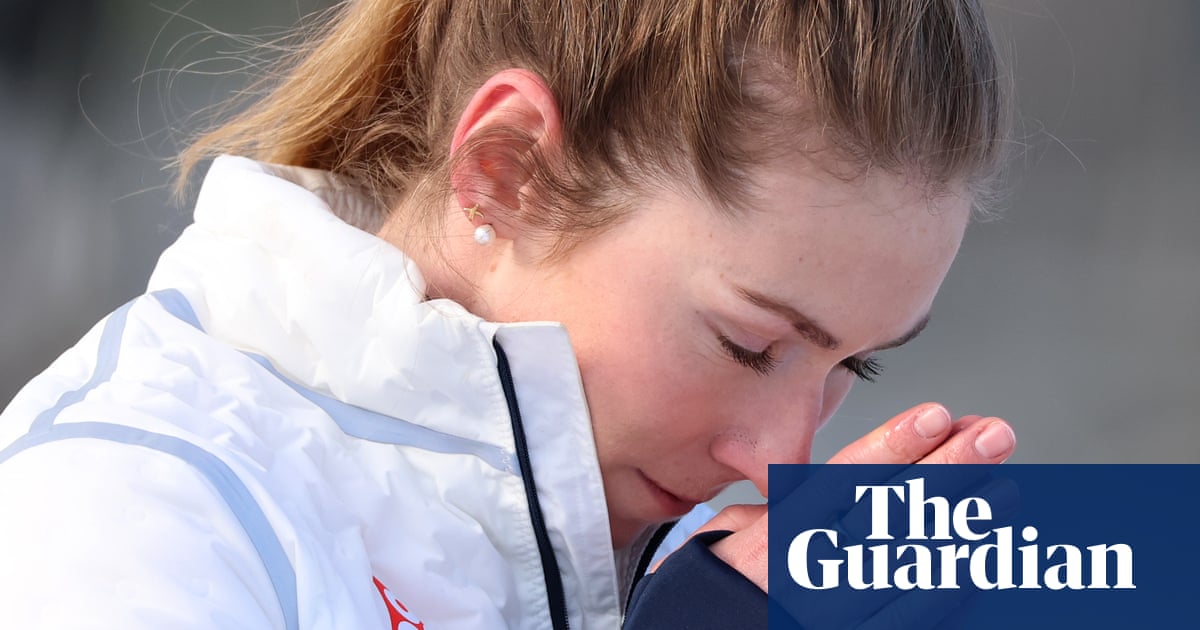
Framing of personal struggle. Liberal outlets foreground Shiffrin’s grief, PTSD, and self-doubt, presenting the gold as a deeply emotional chapter in a long healing process after her father’s death and her Beijing failures. Conservative coverage is more matter-of-fact, highlighting her tough prior performance and physical setbacks but spending less time on psychological terminology or extended emotional introspection. Liberals often narrate her win as a personal catharsis tied to family, memory, and mental health, while conservatives cast it primarily as an elite competitor returning to form.
Emphasis on historical and symbolic meaning. Liberal-aligned sources stress history-making angles such as being the first U.S. skier to reach this specific gold milestone and frame the accomplishment as a broader statement about perseverance and redefining greatness after adversity. Conservative outlets also acknowledge the historic third gold but emphasize the statistical achievement and race execution over symbolic or cultural meanings. The liberal framing leans into Shiffrin as an emblem of resilience and a changing conversation around athletes’ vulnerability, whereas the conservative framing keeps the focus on her record, medal count, and national pride.
Narrative pacing and spotlight. Liberal coverage often reconstructs Shiffrin’s 12-year arc with detailed backstory, including long stretches on her emotional state between Olympics and the narrative of rebuilding after Beijing. Conservative stories, based on the sample, are more tightly focused on the event itself—run times, margin of victory, and podium results—with briefer allusions to past struggles. As a result, liberals present the race as the climax of an intricate personal saga, while conservatives portray it as the latest chapter in a champion’s career rebound.
National identity and tone. Liberal sources describe Shiffrin’s American identity mainly as contextual—an elite U.S. athlete in a global field—while centering her individuality and inner journey. Conservative coverage more clearly highlights her as an American star bringing home gold for the United States, with a stronger patriotic tone around her achievement. Liberals thus adopt a more introspective, human-interest lens, whereas conservatives place relatively more weight on national representation and competitive dominance.
In summary, liberal coverage tends to frame Shiffrin’s slalom gold as an emotionally rich, historically symbolic redemption story centered on grief, mental health, and long-term resilience, while conservative coverage tends to highlight her technical excellence, medal milestones, and national pride with a more concise, performance-driven narrative.
Story coverage