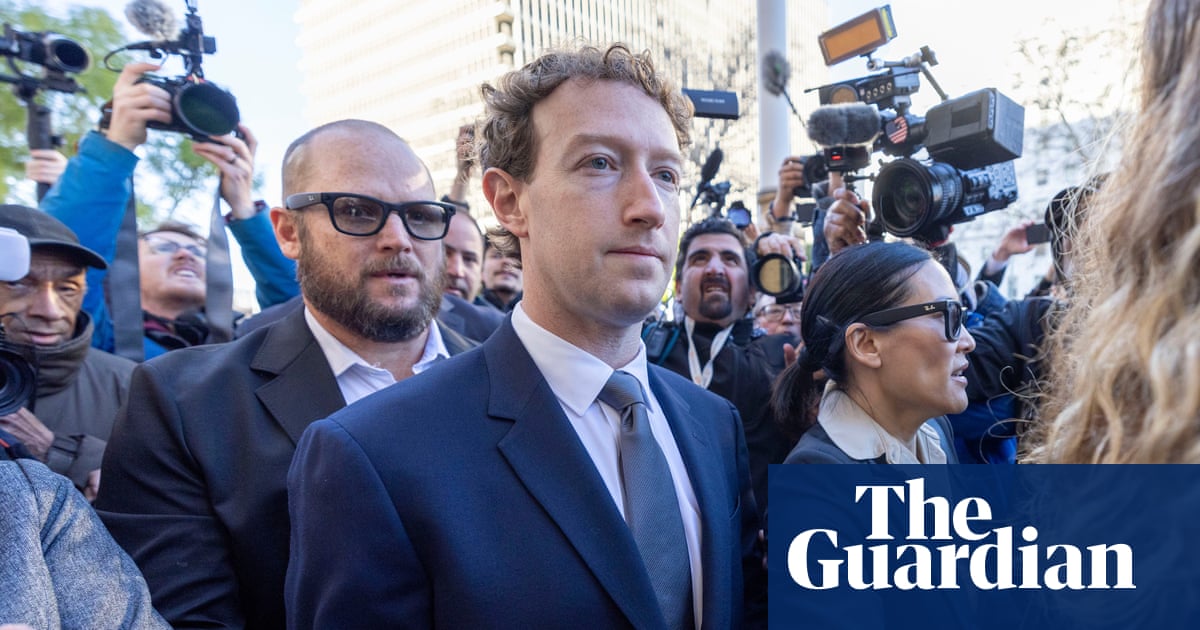
Meta CEO Mark Zuckerberg testified in a closely watched jury trial over social media’s impact on children and teens, appearing in a Los Angeles courtroom to answer questions about Instagram and other Meta platforms. Across outlets, coverage agrees that plaintiffs allege Meta’s products are intentionally designed to be addictive and harmful to young users’ mental health, with specific scrutiny on design features and beauty filters, and that the company faces multiple, unprecedented legal challenges that could carry major financial and regulatory consequences. Reports from both liberal- and conservative-aligned sources note that Zuckerberg was pressed on Meta’s efforts to keep underage users off its services, acknowledged that some users lie about their age, and stated that Meta began asking for users’ birthdays around late 2019. Both sides also highlight that lawyers confronted Zuckerberg with internal documents and prior public statements, framed the proceedings as part of a wave of lawsuits against big social media platforms, and emphasized that the outcome could set important precedents for how tech companies are held liable for youth safety online.
Coverage similarly agrees that the trial is testing whether Meta misled the public about the safety of its products for young people and whether specific features contributed to harm, including alleged impacts on mental health and body image. Outlets on both sides describe this as a landmark or watershed moment that may reshape the legal environment around social media and could influence interpretations of liability protections for tech companies. They note that parents of affected children are central to the lawsuits, that plaintiffs seek to hold Meta accountable for what they describe as addictive design choices, and that Meta’s defense centers on its investments in safety tools and content controls. Both liberal and conservative reporting situate Zuckerberg’s testimony against a broader backdrop of mounting political, legal, and social pressure on large platforms to reform their practices involving minors.
Areas of disagreement
Framing of Meta’s motives. Liberal-aligned sources more strongly emphasize internal documents and testimony suggesting Meta prioritized engagement and growth even when warned about youth harms, casting Zuckerberg’s denial of engagement-at-all-costs motives as strained or contradicted by evidence. Conservative sources focus more on the formal legal allegations and the novelty of the lawsuits, portraying Meta as a powerful but somewhat abstract defendant in a test case rather than relentlessly highlighting a profit-over-safety narrative. Liberal coverage tends to spotlight tension between public assurances and internal concerns, while conservative coverage gives more neutral, procedural descriptions of the company’s stated commitment to free expression and user choice.
Characterization of youth harm. Liberal outlets devote more space to the emotional stories and distrust expressed by parents, linking beauty filters, addictive design, and mental health struggles into a broader, systemic critique of social media’s effects on adolescents. Conservative outlets acknowledge alleged harms and the focus on children’s well-being but frame them more as legal questions to be proven at trial, often summarizing them briefly without extensive discussion of psychological research or vivid individual narratives. As a result, liberal coverage reads as more urgent and moralistic about a public health crisis, whereas conservative coverage presents the harms as serious allegations that must be weighed within the confines of evidence and precedent.
Legal and regulatory implications. Liberal-aligned reporting ties the case to broader efforts to rein in Big Tech, suggesting the trial could open the door to stricter regulation, higher safety standards, and a rebalancing of power between platforms and users, especially minors. Conservative coverage stresses the potential implications for legal shields and liability standards, warning that an expansive ruling could significantly rewrite the rules for the entire tech sector and potentially chill innovation or online speech. Where liberal sources tend to welcome the possibility of new guardrails, conservative sources are more cautious, emphasizing the risks of sweeping legal changes driven by a single high-profile case.
Portrayal of Zuckerberg and courtroom dynamics. Liberal outlets underscore how intensely Zuckerberg was grilled, highlighting critical questioning about underage users, design choices, and internal complaints, and sometimes portraying him as defensive or on the back foot. Conservative outlets mention he was quizzed about kids’ Instagram use and past congressional testimony but spend more time on his demeanor advice to be “authentic” and the historic nature of a CEO of his stature taking the stand, giving a somewhat more detached, personality-focused treatment. Overall, liberal coverage uses the courtroom exchanges to reinforce a narrative of corporate accountability, whereas conservative coverage tends to treat Zuckerberg as a central but not singular character in a broader legal drama.
In summary, liberal coverage tends to frame the trial as a long-overdue reckoning with a profit-driven platform that ignored mounting evidence of youth harm, while conservative coverage tends to emphasize the unprecedented legal test, the stakes for tech regulation and liability, and the need to carefully adjudicate complex claims about social media’s impact.
Story coverage