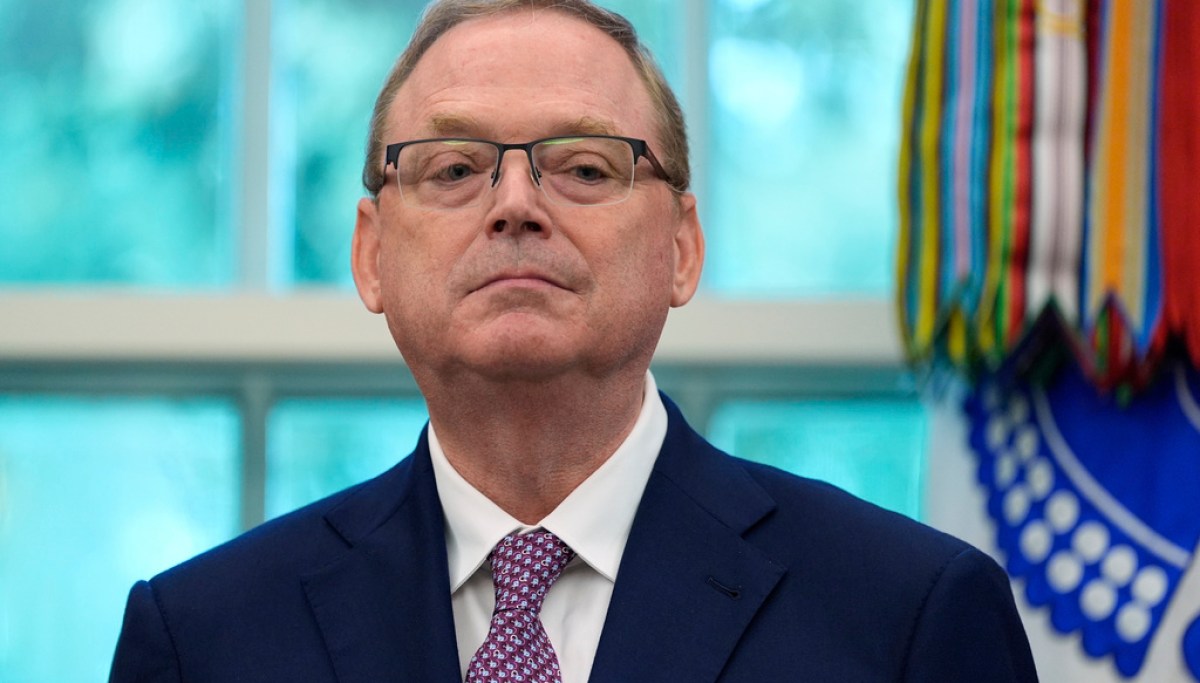
Media outlets across the spectrum report that Kevin Hassett, then a top Trump economic adviser and National Economic Council director, publicly criticized Federal Reserve economists over a New York Fed study on tariffs. The study concluded that U.S. companies and consumers were bearing almost all of the cost of the Trump administration’s tariffs, finding that import prices did not fall enough to offset the duties and that firms and buyers in the United States were effectively paying for the new levies.
Coverage also agrees that Hassett labeled the New York Fed research an “embarrassment” and urged that the economists involved face some form of discipline from the institution. Reports note that Hassett disputed the study’s conclusions by citing low overall inflation and rising real wages during the period of tariff implementation, arguing these indicators show consumers were not being harmed as the study claimed.
Areas of disagreement
Credibility of the Fed research. Liberal-aligned outlets portray the New York Fed study as a careful, data-driven analysis consistent with mainstream economic expectations that tariffs raise domestic costs, emphasizing its methodology and peer-review–style vetting within the central bank system. Conservative sources, by contrast, highlight Hassett’s claim that the study is deeply flawed or politically skewed, stressing his description of it as an “embarrassment” and suggesting it ignores broader macroeconomic data like wage gains and low inflation.
Motives and norms around punishment. Liberal coverage typically frames Hassett’s call for “discipline” as an inappropriate attempt by a political appointee to intimidate independent economists and chill critical research about administration policies. Conservative coverage tends to cast the same comments as a justified demand for accountability within a powerful institution, presenting discipline as a response to what they see as substandard or biased analysis rather than an assault on academic or institutional independence.
Impact of tariffs on consumers and firms. Liberal-oriented reports foreground the study’s conclusion that American importers and consumers have borne nearly the full cost of the tariffs, fitting this into a broader narrative that Trump’s trade policies function as a hidden tax on the U.S. public and squeeze businesses. Conservative outlets place more weight on Hassett’s counter-argument that macro indicators such as low inflation and rising real wages show consumers are, on balance, doing well, framing the study’s focus on tariff pass-through as too narrow and disconnected from overall economic performance.
Framing of institutional independence. Liberal sources emphasize the importance of central bank research autonomy and depict Hassett’s remarks as part of a pattern of Trump-world pressure on supposedly nonpartisan institutions, warning of reputational risks to the Fed and the broader policy process. Conservative sources more often characterize the Fed as another elite technocratic body that should not be immune from criticism, suggesting that pushback from elected or appointed officials can be a healthy check when they believe research strays into advocacy or undercuts successful administration policies.
In summary, liberal coverage tends to treat the Fed study as credible evidence that tariffs largely burden U.S. firms and consumers and to frame Hassett’s discipline talk as a politicized attack on independent economic research, while conservative coverage tends to endorse or at least legitimize Hassett’s critique as overdue scrutiny of flawed analysis and to highlight broader economic indicators to argue that consumers have not been harmed in the way the study suggests.