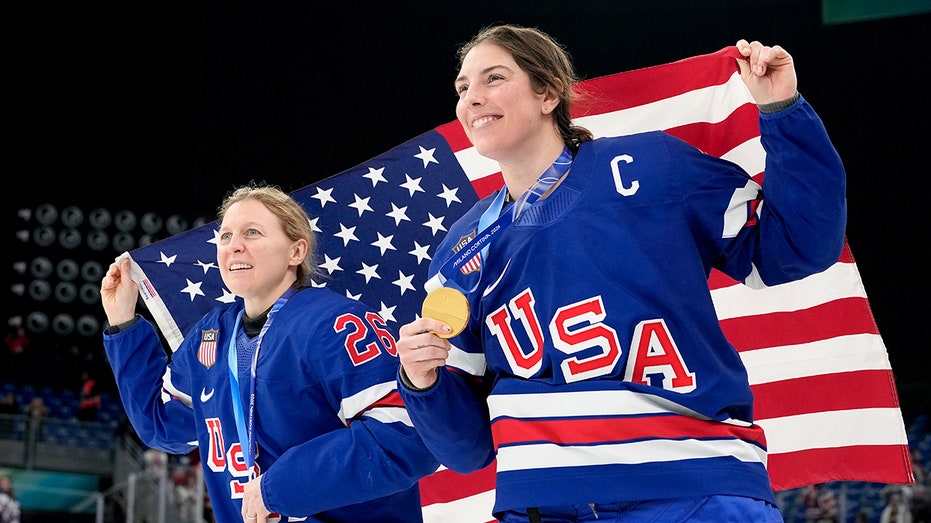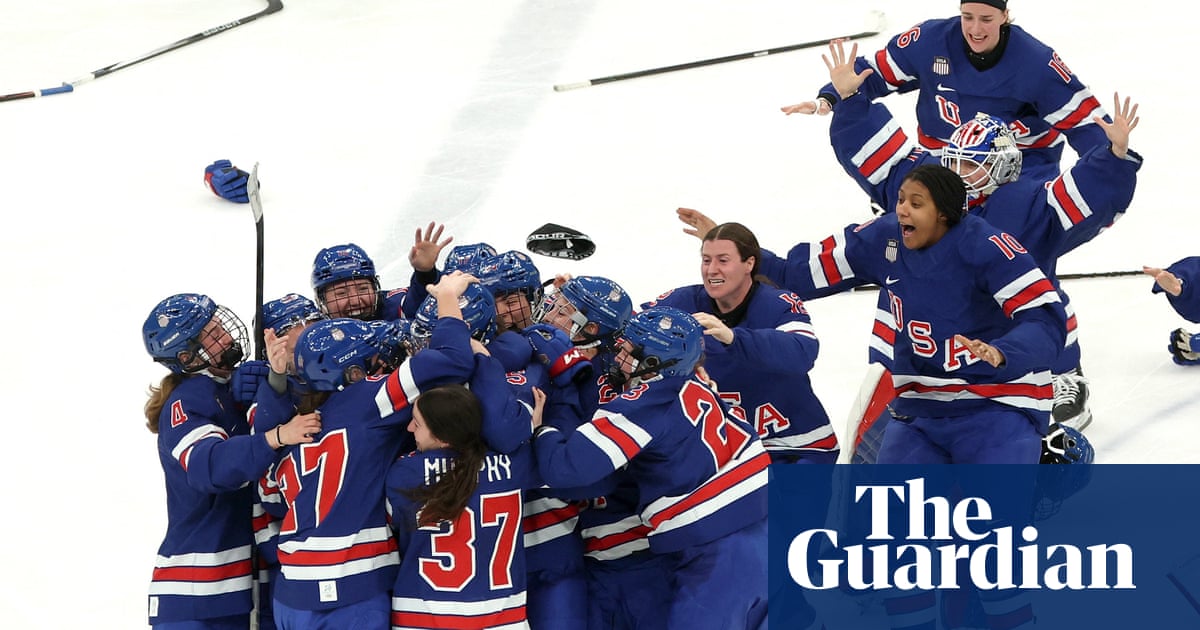
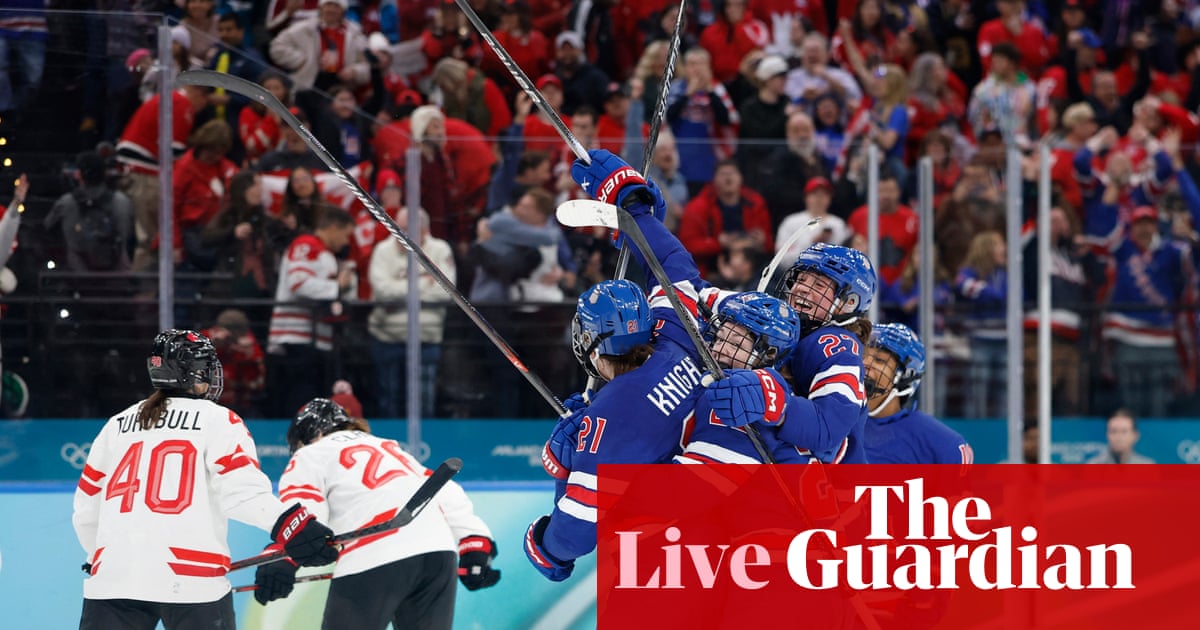
The US women’s hockey team defeated Canada 2-1 in overtime to win Olympic gold at the 2026 Milan-Cortina Games, a scoreline and outcome that both liberal and conservative outlets report identically. Coverage agrees that Canada led for much of the game after a short-handed goal in the second period, that US goaltender Aerin Frankel kept the team within reach despite being outplayed for long stretches, and that captain Hilary Knight tied the game with a late goal in regulation before Megan Keller scored the sudden-death overtime winner. Both sides also concur that Knight’s goal set or extended US Olympic records for career goals and points, and that the result capped a dramatic, come-from-behind victory in one of the sport’s marquee rivalries.
The outlets are aligned on core context: this was the women’s ice hockey final at the Winter Olympics, restoring the United States to the top of the podium against their traditional rival Canada. They agree the matchup fits into a long-running Canada–US rivalry that often decides Olympic and world championship titles, and that individual performances from established veterans like Knight and emerging players such as Laila Edwards and Taylor Heise signal depth and continuity in the US program. Both perspectives present the win as a landmark moment in US women’s hockey history that showcases the strength of national development pipelines and the growing global profile of women’s ice hockey at the Olympic level.
Areas of disagreement
Framing of significance. Liberal-aligned outlets frame the game primarily as a high-drama sporting contest and a milestone for women’s hockey, emphasizing competitiveness, tactics, and the evolution of the women’s game. Conservative outlets place more emphasis on national pride and symbolism, highlighting the anthem ceremony and players’ emotional reactions on the podium as the defining image of the win.
Focus on individuals versus team narrative. Liberal coverage spotlights a broader cast of contributors, from Frankel’s goaltending to young skaters like Laila Edwards, while still celebrating Knight and Keller’s clutch plays as part of a collective surge. Conservative coverage narrows more tightly on star figures such as Knight and Taylor Heise, framing them as embodiments of American excellence and focusing less on role players or systemic factors in the program’s success.
Cultural and institutional context. Liberal sources tend to locate the victory within the wider trajectory of women’s sports, implicitly linking it to growing investment, professional opportunities, and visibility for female athletes. Conservative outlets more often connect the moment to patriotic tradition and continuity, portraying the anthem, flag, and record-setting achievements as reaffirmations of American greatness rather than as outcomes of broader gender-equity trends.
Emotional tone and takeaway. Liberal reporting stresses resilience, comeback momentum, and the intensity of the Canada–US rivalry as the emotional core of the story. Conservative reporting leans into joy, gratitude, and reverence for representing the United States, using players’ quotes about the anthem and the podium to leave readers with a distinctly patriotic emotional takeaway.
In summary, liberal coverage tends to treat the gold-medal win as a showcase of competitive excellence and the ongoing rise of women’s hockey, while conservative coverage tends to spotlight patriotic symbolism and star-driven narratives that underscore national pride.
Story coverage