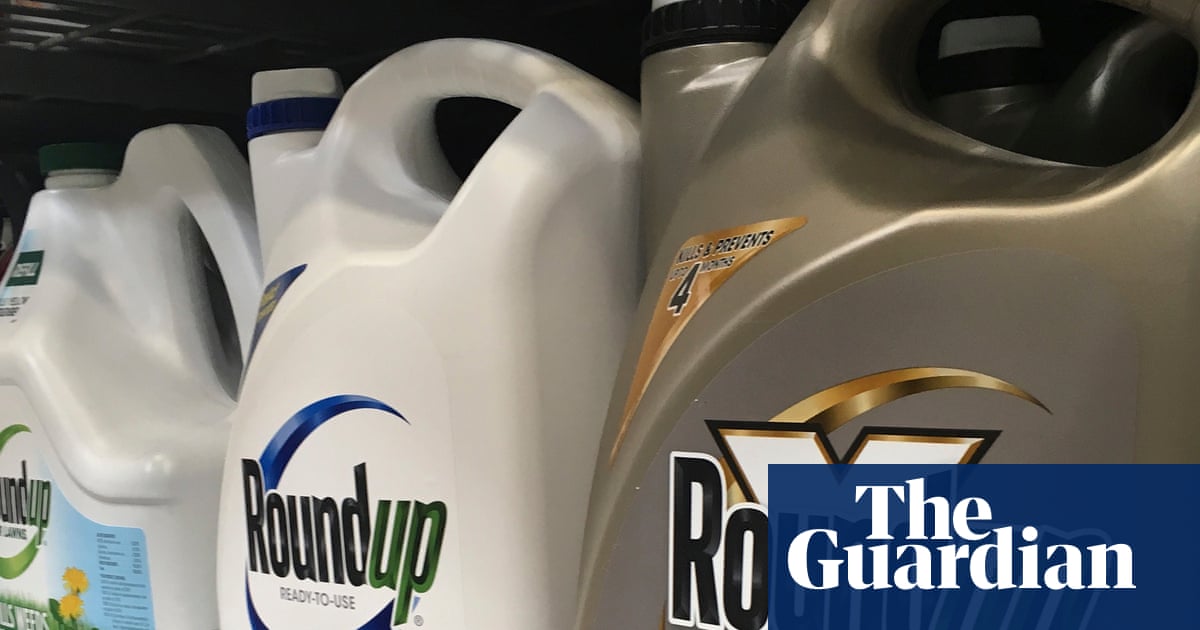

President Donald Trump signed an executive order invoking the Defense Production Act to increase domestic production of glyphosate-based herbicides such as Roundup and elemental phosphorus, framing the move as necessary for national security, economic stability, and protection of the U.S. food supply. Coverage from both liberal- and conservative-aligned outlets agrees that the order also grants substantial legal immunity to manufacturers facing a barrage of existing and potential lawsuits over alleged health harms, comes in the wake of Bayer’s proposed Roundup settlements, and has sparked strong backlash from activists and allies in the Make America Healthy Again (MAHA) movement who had previously aligned with the administration on health-related issues.
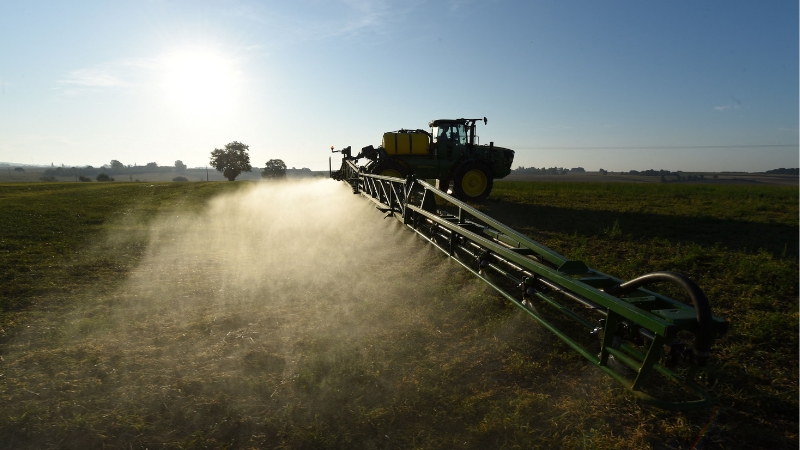
Across the spectrum, reports note that glyphosate is one of the most widely used weedkillers in U.S. agriculture and that it has been at the center of intense scientific, regulatory, and legal controversy, with thousands of lawsuits alleging links to cancer and other health problems. Both sides highlight the role of key institutions—especially the Environmental Protection Agency, which has repeatedly stated glyphosate is safe when used as directed, and courts and juries that have nevertheless awarded large damages in some cases—as well as the broader policy tension between ensuring a robust agricultural supply chain and responding to mounting public-health and environmental concerns about pervasive glyphosate exposure.
Areas of disagreement
Risk and safety. Liberal-aligned outlets emphasize studies and lawsuits suggesting glyphosate is linked to cancer, endocrine disruption, and developmental disorders, portraying the chemical as a serious, underregulated health hazard that the order recklessly entrenches. Conservative sources, while sometimes acknowledging scientific disputes, give more weight to EPA determinations and industry-backed assessments that deem glyphosate safe when used properly, often presenting the health risks as contested or overstated. The liberal framing stresses widespread human exposure data and the difficulty of avoiding glyphosate, whereas conservative coverage more often treats the risk as manageable and balanced by agricultural benefits.
Motives and beneficiaries. Liberal coverage casts the executive order as a giveaway to agribusiness and chemical manufacturers like Bayer and Monsanto’s successors, arguing that legal immunity shields corporations at the expense of consumers, farmworkers, and vulnerable communities. Conservative outlets are more inclined to accept or echo the administration’s stated rationale that the move protects farmers, food prices, and national security by securing a critical input for modern agriculture. Where liberals frame the timing around Roundup settlements as evidence of regulatory capture and corporate influence, conservatives frame it as a pragmatic response to supply-chain vulnerabilities and litigation pressures.
Public health vs. national security framing. Liberal sources foreground public health, contending that the order subordinates evidence of harm and voters’ health concerns to abstract claims of national security and productivity, and they highlight the irony of invoking the Defense Production Act to boost a product many associate with illness. Conservative coverage leans into the national security narrative, depicting glyphosate and elemental phosphorus as strategic materials essential to food security and economic resilience, and tends to question whether health advocates are undervaluing the real risks of food shortages or higher costs. This leads liberals to see the order as a dangerous misprioritization, while conservatives portray it as a tough tradeoff made in the national interest.
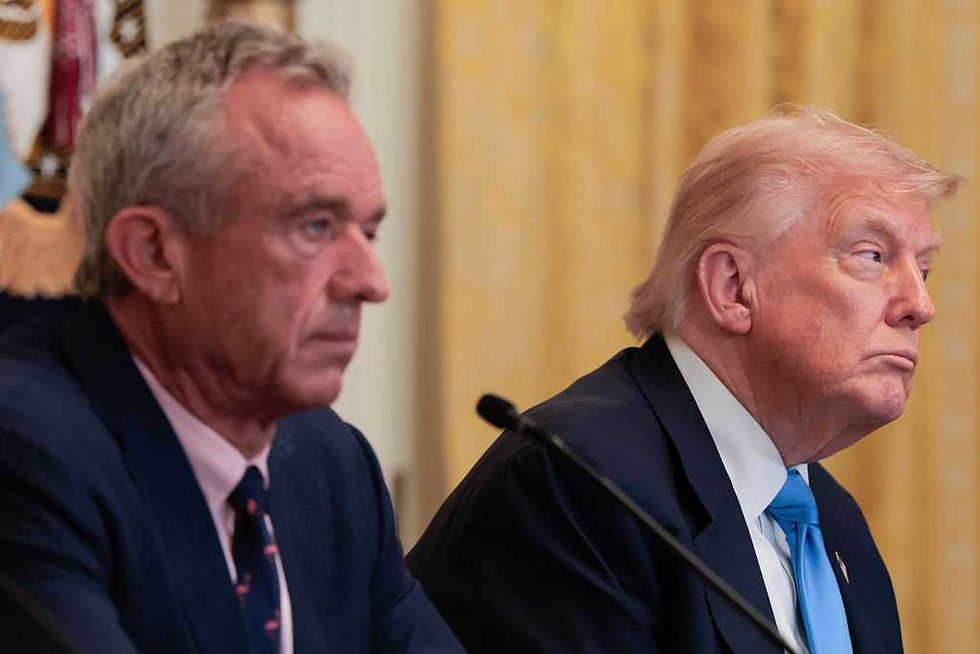
RFK Jr. and movement politics. Liberal-aligned reports underscore the apparent reversal by Health and Human Services Secretary Robert F. Kennedy Jr., stressing his long record fighting pesticides and his role in high-profile glyphosate litigation to frame the move as a betrayal of core environmental and health principles. Conservative outlets focus more on the political fallout within MAHA and among Kennedy’s allies, portraying their anger as a broader populist or anti-establishment revolt that complicates the administration’s coalition. Liberals interpret the backlash as proof that the order contradicts prior promises to prioritize health, while conservatives depict it as an internal policy dispute within an otherwise aligned movement.
In summary, liberal coverage tends to depict the executive order as a corporatist maneuver that endangers public health, undermines regulatory accountability, and betrays anti-pesticide allies, while conservative coverage tends to frame it as a contentious but defensible step to secure food production, national security, and economic stability amid ongoing scientific and political disputes.
Story coverage