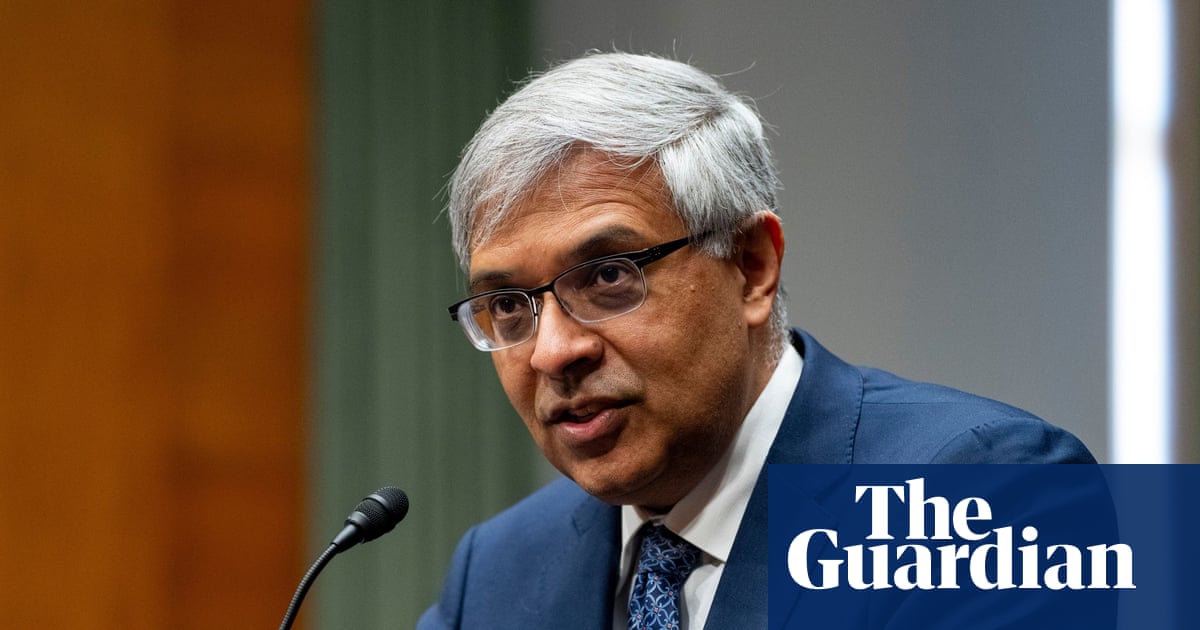

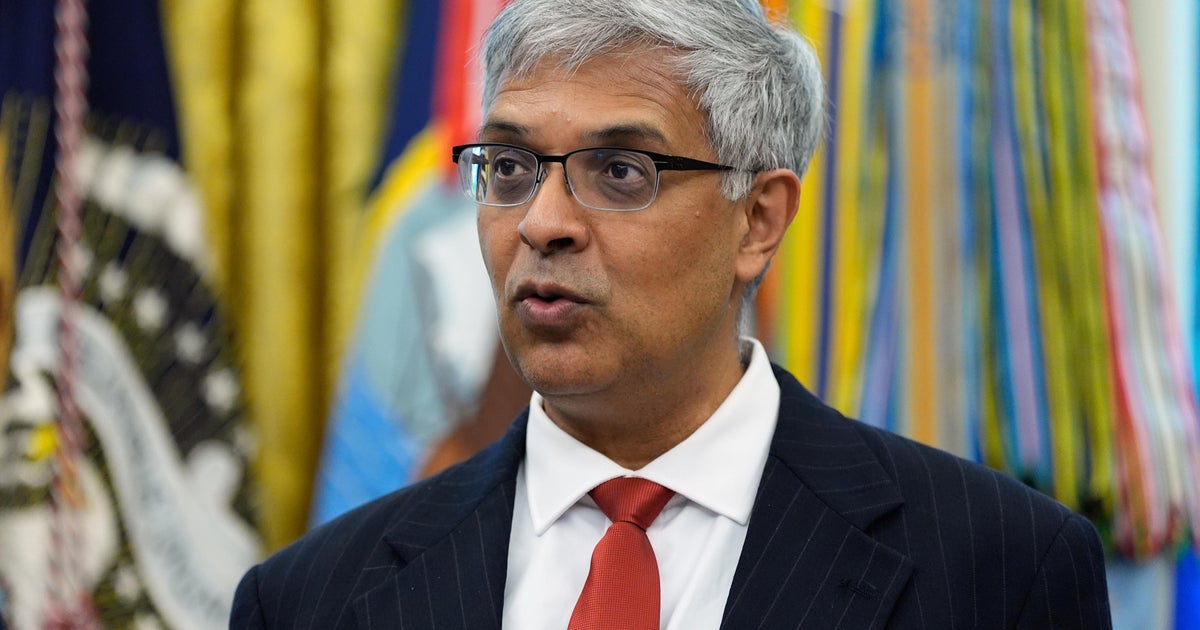
NIH Director Jay Bhattacharya has been named acting director of the Centers for Disease Control and Prevention, a move described across outlets as a temporary appointment while the White House searches for a permanent CDC chief. Coverage agrees that he will retain his current role as NIH director while assuming leadership of the CDC, effectively overseeing both of the nation’s top public health agencies at once, and that this comes after a period of churn in CDC leadership with multiple acting directors in recent months. Reports concur that this change makes Bhattacharya the latest in a rapid succession of CDC leaders, and that the appointment is taking place against the backdrop of ongoing debates over federal public health policy following the COVID-19 pandemic.
Liberal and conservative-leaning descriptions both acknowledge Bhattacharya’s high profile during the pandemic and his prominence in national debates over lockdowns and masking policies, as well as his public alignment with critics of mainstream public health approaches. There is agreement that his appointment consolidates substantial authority over US health policy in a single figure and that this occurs at a time when the CDC is under pressure to reform its communications, data systems, and crisis response after widely criticized pandemic performance. Both sides also note that the agency has been politically embattled and institutionally fragile, making leadership continuity, policy direction, and public trust central issues surrounding his interim tenure.
Areas of disagreement
Significance of the appointment. Liberal-aligned coverage frames Bhattacharya’s dual role as an alarming consolidation of power that risks further politicizing federal health agencies and weakening evidence-based guidance, highlighting the rapid turnover at CDC as a symptom of institutional instability. In contrast, conservative sources (where they weigh in) are more likely to portray the move as an overdue course correction that could rein in what they see as bureaucratic overreach and failed pandemic orthodoxy, emphasizing his outsider stance relative to the previous public health establishment. Liberal outlets stress the unprecedented strain of running both NIH and CDC as a governance problem, while conservative voices cast it as a chance to impose coherent leadership and challenge entrenched agency culture.
Public health record and COVID legacy. Liberal coverage emphasizes Bhattacharya’s opposition to lockdowns and mask mandates as evidence that he downplayed pandemic risks, often linking him to what they describe as discredited or fringe views and warning that this record may undermine preparedness for future outbreaks. Conservative commentary is more inclined to celebrate the same positions as vindicated skepticism, arguing that he questioned harmful restrictions and championed individual freedoms against heavy-handed mandates. While liberals question his fitness to lead a crisis-ready CDC given this history, conservatives present his record as proof he can correct what they see as past overreactions and restore balance to risk assessment and policy.
Relationship with RFK Jr. and vaccine politics. Liberal-aligned outlets highlight Bhattacharya’s perceived closeness to Robert F. Kennedy Jr., warning that his leadership could advance what they term RFK Jr’s anti-establishment or anti-vaccine agenda inside mainstream institutions and erode confidence in vaccination campaigns. Conservative sources, when addressing this tie at all, tend to downplay or reframe it, suggesting that engagement with RFK Jr. reflects responsiveness to public skepticism and concern over pharmaceutical and government transparency rather than hostility to vaccines themselves. Liberals interpret the connection as a red flag for misinformation and institutional capture, whereas conservatives are more likely to see it as symbolic of challenging a closed, self-protective public health elite.
Institutional reform and future direction. Liberal coverage tends to worry that Bhattacharya will weaken CDC’s traditional public health missions—such as strong vaccination advocacy, robust surveillance, and precautionary interventions—by shifting the agency toward a more laissez-faire, politically aligned stance. Conservative narratives typically argue that his leadership could be a vehicle for reining in what they view as mission creep, restoring focus on high-quality evidence, and reducing the agency’s role in broad social regulation. Liberals frame upcoming reforms under his tenure as a potential rollback of hard-won safeguards, while conservatives frame them as necessary corrections to years of perceived overreach and mistrust.
In summary, liberal coverage tends to see Bhattacharya’s appointment as a dangerous consolidation of power that risks politicizing and weakening core public health functions, while conservative coverage tends to frame it as an opportunity to reform and restrain agencies they view as overreaching and out of touch.