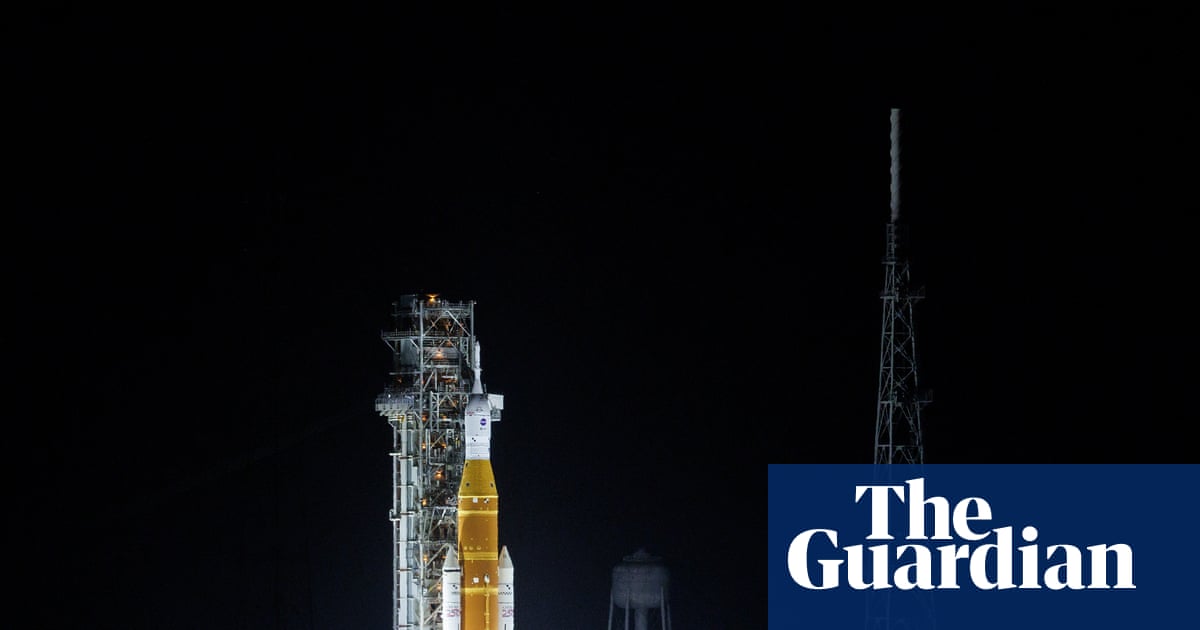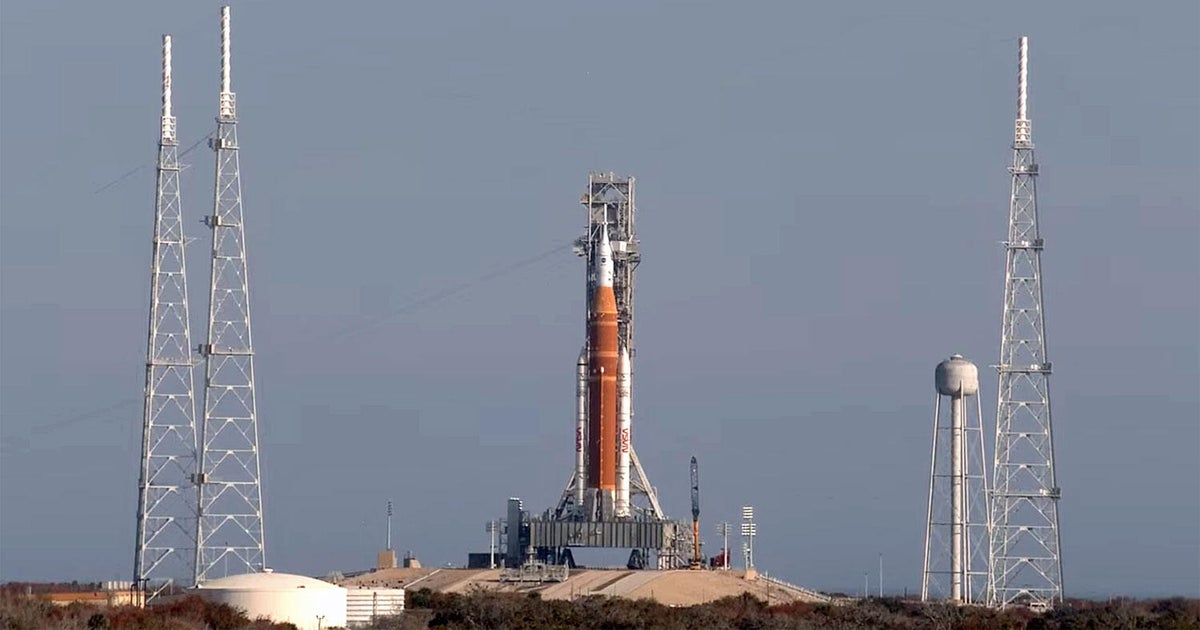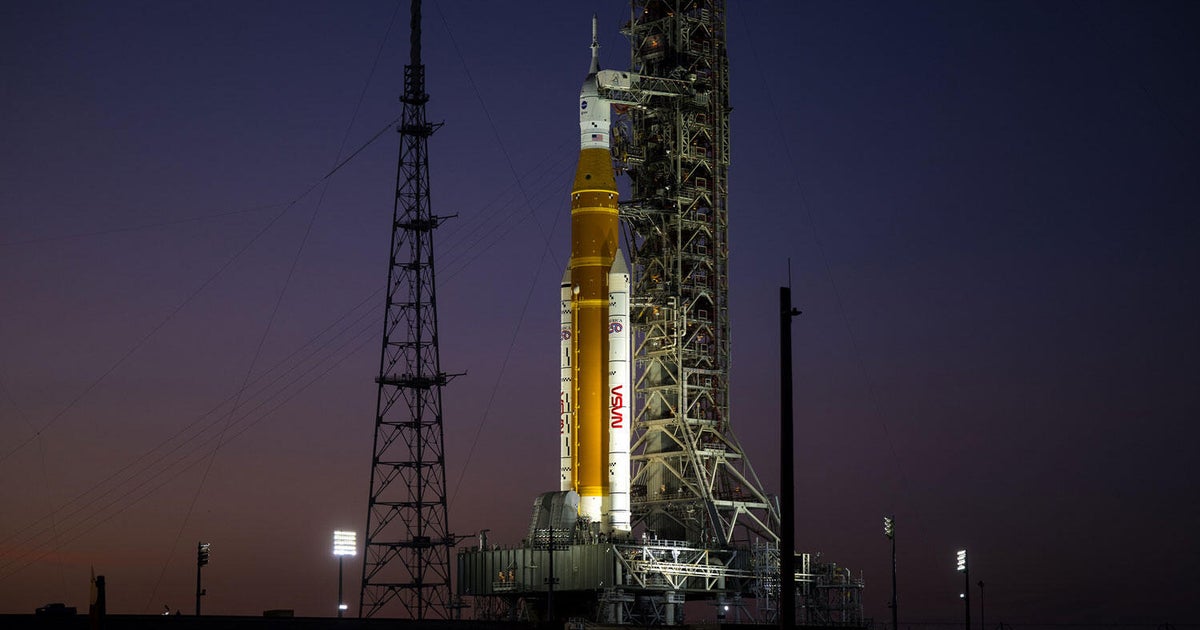


NASA coverage across both liberal and conservative outlets agrees that the agency successfully completed a key fueling and countdown rehearsal for the Space Launch System rocket, loading more than 750,000 gallons of supercold propellants without significant liquid hydrogen leaks. Both sides report that this clears a major technical hurdle and allows NASA managers to formally target an early March launch date, with March 6 most frequently cited, for the Artemis II mission from Kennedy Space Center in Florida. They concur that Artemis II will send four astronauts on a roughly 10‑day mission looping around the moon, will be the first crewed lunar voyage since Apollo in 1972, and will take the crew farther from Earth than any previous human spaceflight, using the SLS rocket and Orion capsule.
Liberal and conservative sources likewise emphasize that Artemis II is part of NASA’s broader Artemis program to return humans to the moon and eventually support deeper space exploration, positioning this flight as a critical test of hardware and procedures before a surface-landing mission. They agree that this mission will mark the first human departure from low-Earth orbit in more than 50 years, that the test verifies fixes to earlier hydrogen leak issues uncovered in prior rehearsals, and that astronauts are now transitioning into pre-flight medical quarantine and final training. Both perspectives frame the test as a validation of NASA’s troubleshooting process and a milestone in rebuilding U.S. crewed deep-space capabilities through a combination of long-developed government hardware and commercial partnerships.
Areas of disagreement
Emphasis and tone. Liberal-aligned outlets tend to frame the fueling test as a dramatic turning point after a string of delays and technical headaches, highlighting it as a hard-won success that clears the way for a “historic” mission and record-setting journey. Conservative coverage, by contrast, treats the test more straightforwardly as a prerequisite checkpoint on the road to launch, focusing on its functional role in enabling the March timeline rather than on narrative flourishes about triumph over adversity.
Program critique and accountability. Liberal sources are more likely to place Artemis II in a wider landscape of human spaceflight challenges, juxtaposing NASA’s success with critical findings about contractor performance, such as Boeing’s Starliner issues that left astronauts stranded on the ISS, and implicitly questioning aspects of commercial and legacy aerospace oversight. Conservative coverage, where available, downplays or omits these critical side narratives, instead casting the program mainly as a demonstration of American technological prowess and continuity, with less attention to contractor missteps or governance failures.
Political and strategic framing. Liberal coverage tends to foreground the institutional history and long delays in returning to the moon, sometimes hinting at how shifting priorities, budget constraints, and mixed public–private approaches have complicated U.S. space policy. Conservative outlets more often wrap the mission in patriotic and strategic language, treating Artemis II as a symbol of renewed American leadership in space amid global competition, while giving less space to the bureaucratic and political tradeoffs behind schedule slips and cost overruns.
Future direction and risk. Liberal-leaning reports spend more time on the risks and test-article nature of Artemis II, stressing that it is primarily a systems-proving flight before crewed landings and a stepping stone toward more ambitious reforms and technological upgrades. Conservative pieces tend to stress the objective of sending astronauts back to the moon as a concrete deliverable in the near term, with less elaboration on incremental testing philosophy and more focus on the mission as evidence that the broader Artemis architecture is on track.
In summary, liberal coverage tends to situate the successful fueling test within a broader critique-and-reform narrative that highlights institutional challenges, contractor problems, and the cautious, test-heavy path back to the moon, while conservative coverage tends to spotlight the milestone as a straightforward validation of NASA’s progress and American leadership, with fewer references to underlying governance issues or critical investigations.
Story coverage