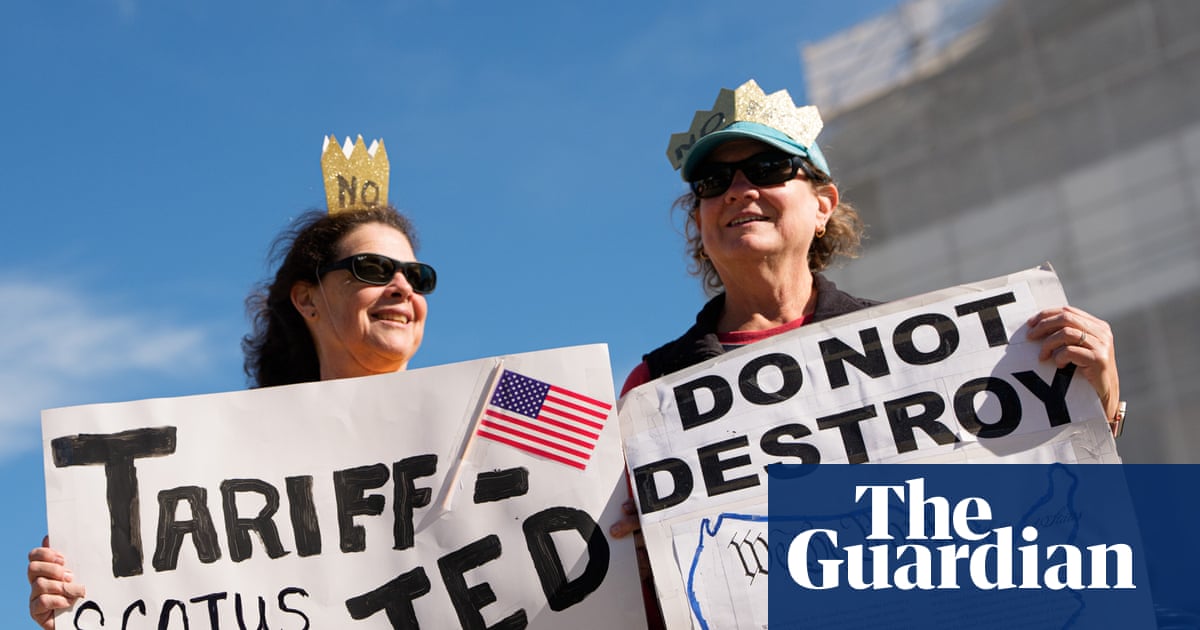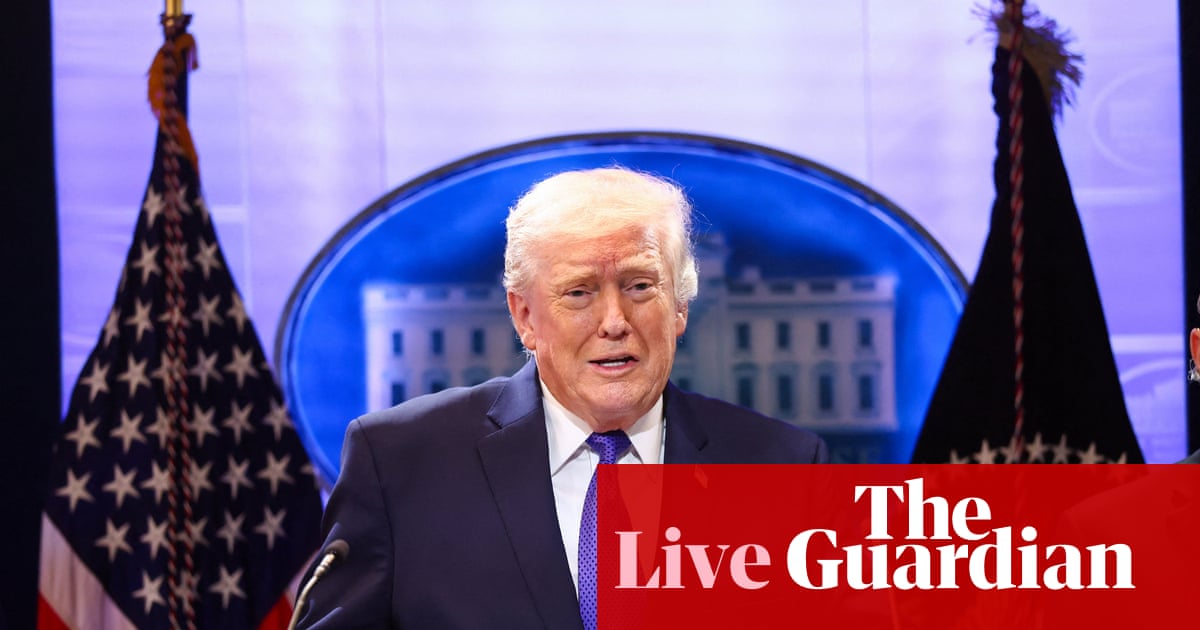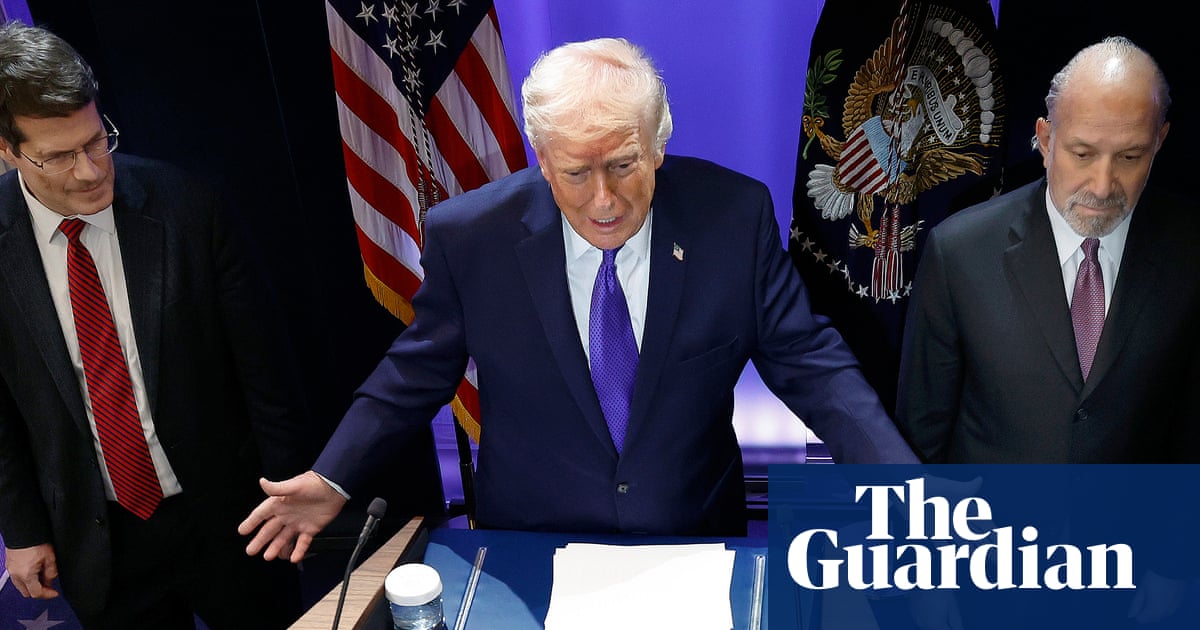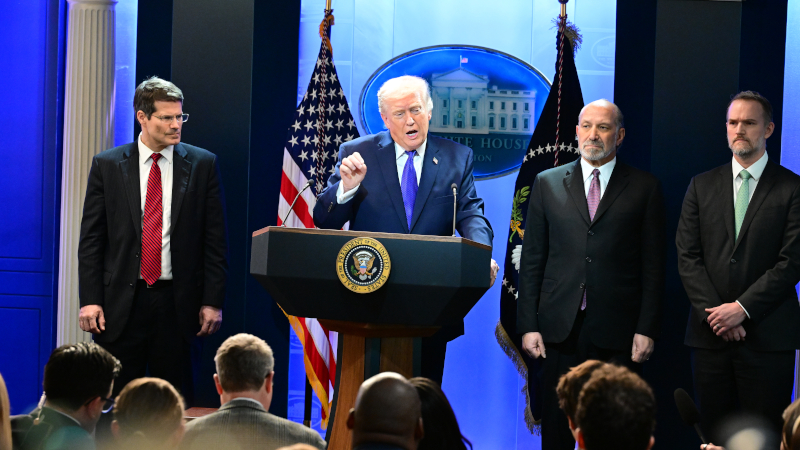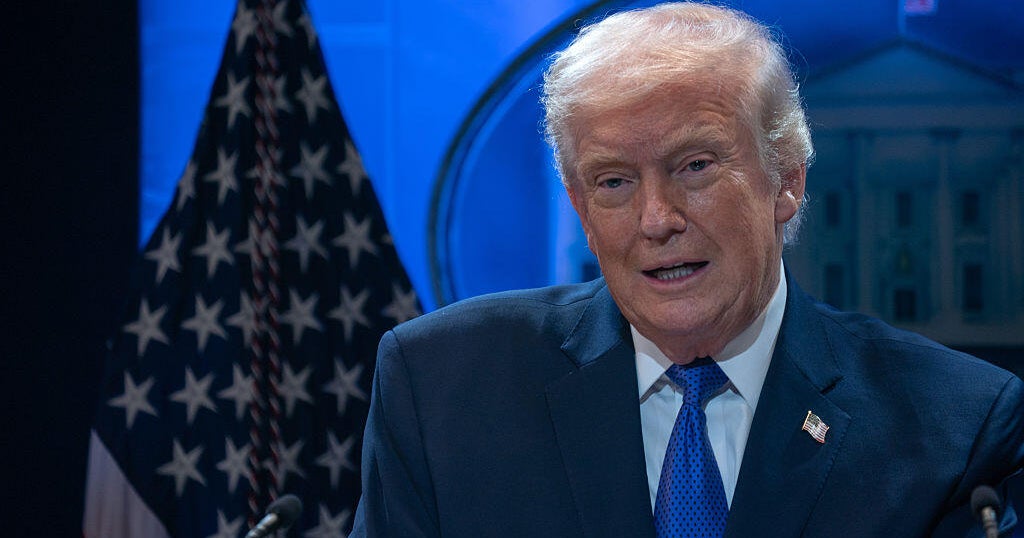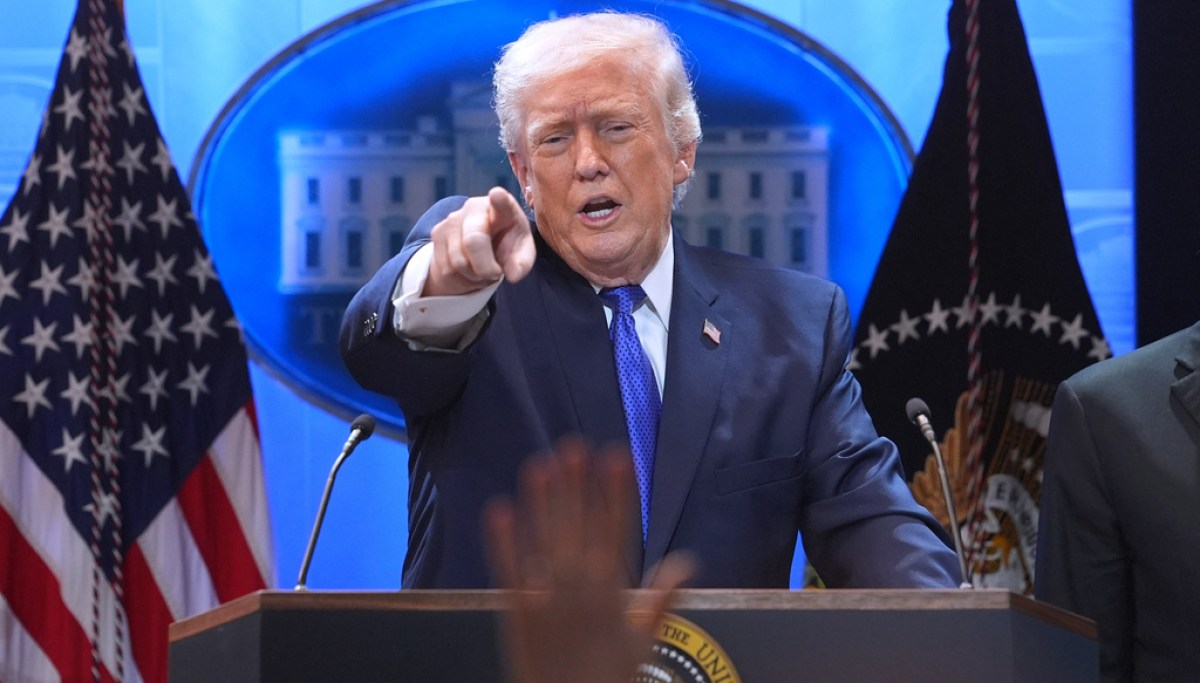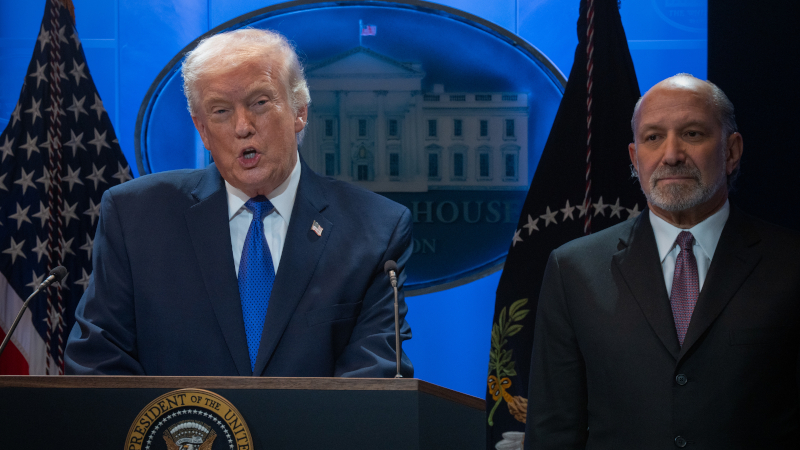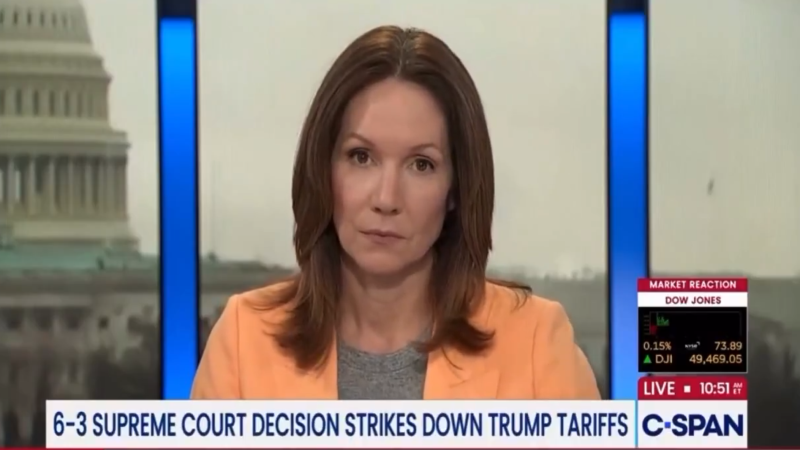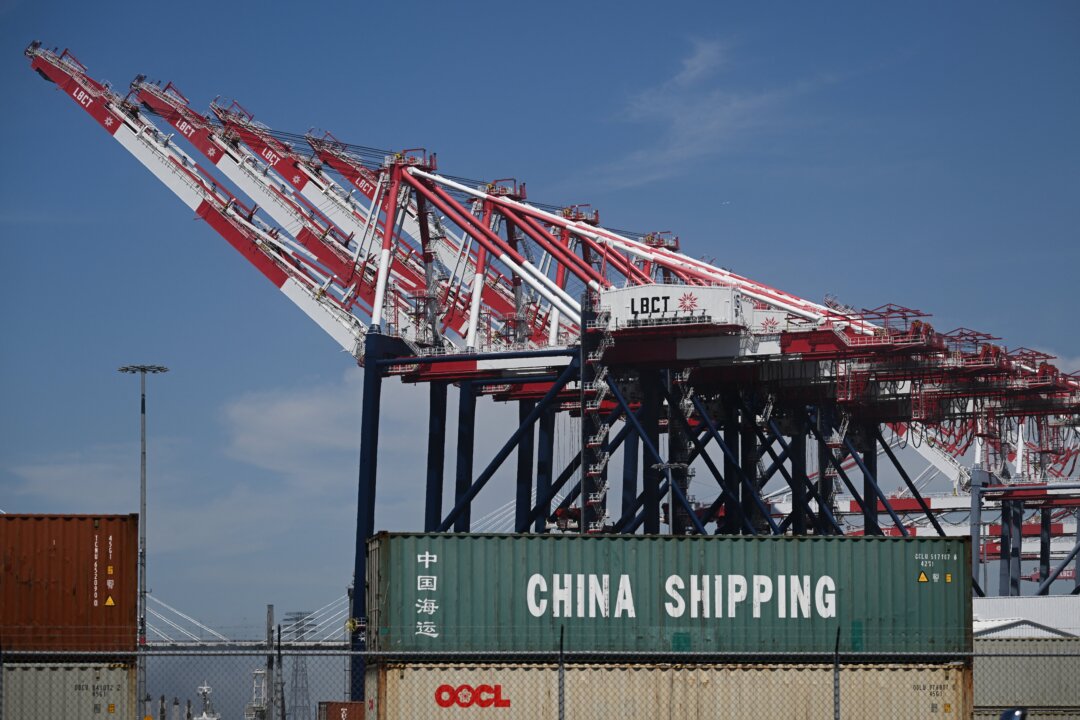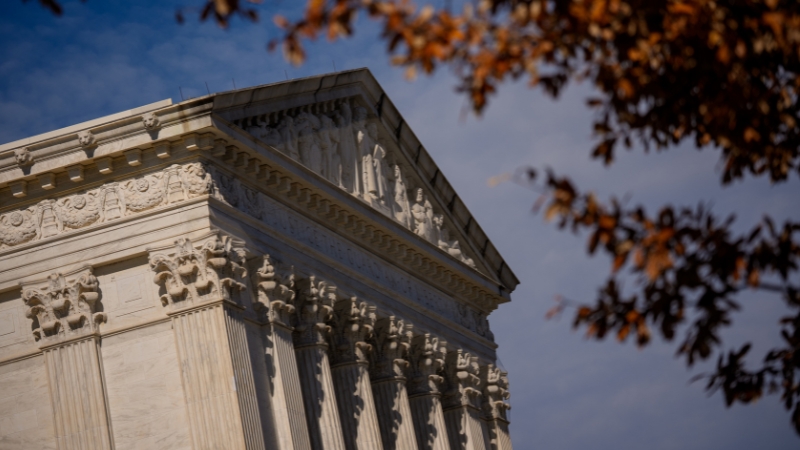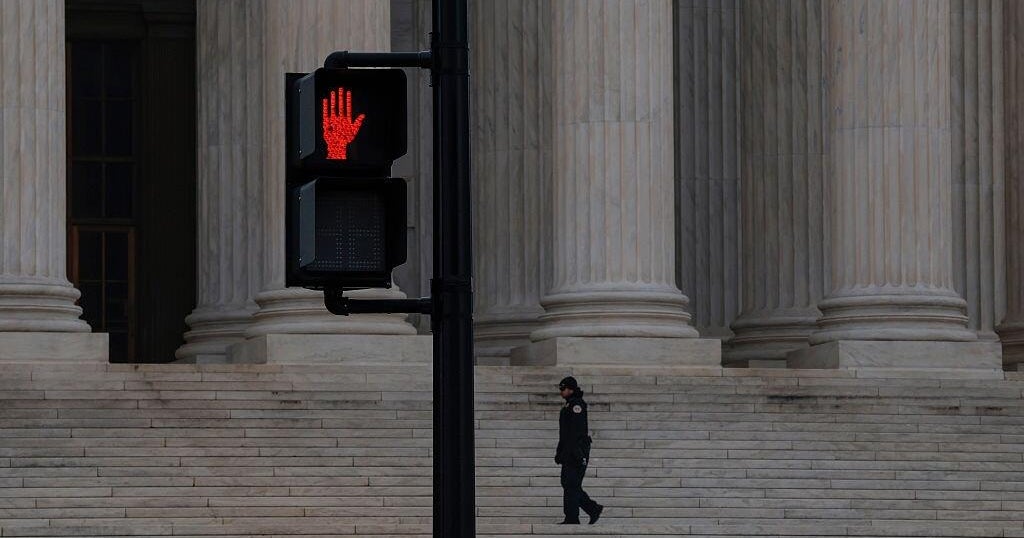










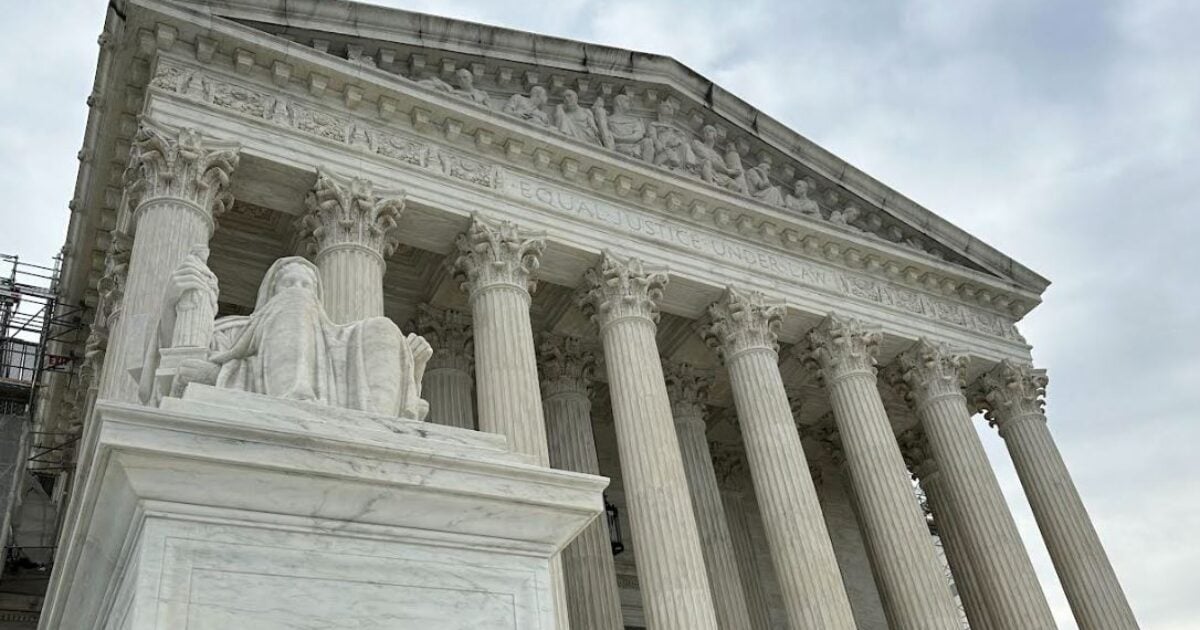
The Supreme Court, in a 6–3 decision, struck down most of President Donald Trump’s existing global tariffs that had been imposed under the International Emergency Economic Powers Act, holding that the statute does not clearly authorize the president to levy broad peacetime tariffs and reaffirming that Congress holds the constitutional taxing and tariff power. Both liberal- and conservative-leaning outlets agree that the ruling invalidated a large share of Trump’s prior duties, left questions about refunds for already paid tariffs to lower courts, and forced the administration to stop collecting the specific levies the Court blocked, effective around midnight on the relevant implementation date. They also concur that Trump quickly pivoted by announcing new global tariffs—first a 10% baseline levy on most imports for roughly 150 days, then an escalation to 15%—under other authorities such as Section 122 of the Trade Act of 1974 and related statutes that allow temporary tariffs tied to balance‑of‑payments or national security concerns. Coverage across the spectrum notes that the new tariffs are global but uneven in effect, raising trade‑weighted duties on some allies like the UK and EU while reducing burdens on others such as Brazil and China, and that markets and businesses reacted with volatility, with stocks initially stumbling on policy uncertainty and firms scrambling to assess supply chains and possible refund claims.
Across outlets, there is shared context that the decision is a major test of the separation of powers in trade policy, invoking the “major questions doctrine” to require clear congressional authorization for measures of vast economic significance, and that this is one of the most consequential reversals of a sitting president’s economic agenda in Trump’s second term. Both sides describe the ruling as narrowing the use of emergency statutes like IEEPA for economic policy while leaving intact other tools—Sections 232 and 301 of the Trade Act, embargoes, targeted sanctions, and more traditional trade‑remedy mechanisms—that still give presidents meaningful leverage over imports and trading partners. Liberal and conservative coverage alike acknowledge that US partners in Europe and Asia are demanding clarity and insisting that Washington honor existing trade deals, with some, including the EU and India, postponing or pausing trade negotiations until the implications of the new tariffs are clearer. There is also broad agreement that the ruling may modestly ease inflation at the margin by removing some illegal levies but that Trump’s rapid move to re‑impose duties under other laws, combined with ongoing disputes over potential tariff refunds and the reaction of central banks like the European Central Bank and the Federal Reserve, ensures continued uncertainty for global trade, investment planning, and the long‑term credibility of US trade commitments.
Areas of disagreement
Significance of the Supreme Court ruling. Liberal-aligned outlets frame the decision primarily as a necessary rebuke to presidential overreach and a win for the rule of law, emphasizing that the Court reasserted Congress’s constitutional prerogative over tariffs and constrained the abuse of emergency authorities. Conservative outlets split: some institutional or legal voices call it a sober reaffirmation of separation of powers, but many pro-Trump commentators cast it as an “outrageous” or activist move by an “imperial judiciary” that improperly handcuffs the executive in confronting foreign threats. Liberal coverage tends to highlight broad bipartisan public support for the ruling in polling, whereas conservative coverage more often foregrounds the dissenting justices’ warnings about economic and national security risks.
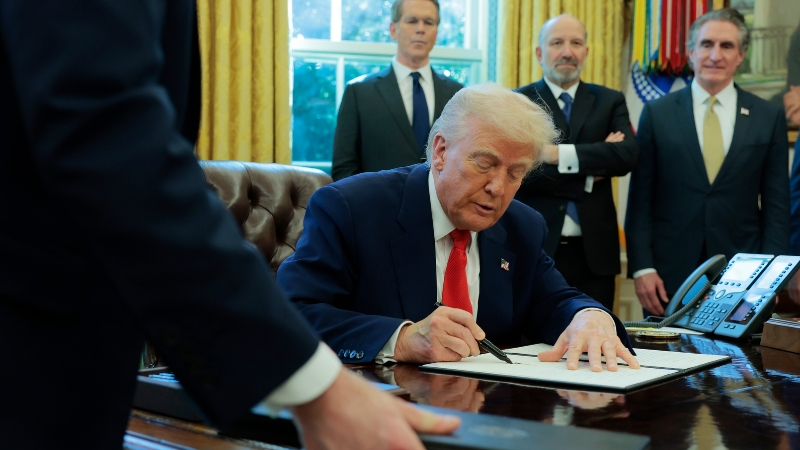
Portrayal of Trump’s response and new tariffs. Liberal sources depict Trump’s vow to impose new 10%–15% global tariffs as a defiant attempt to circumvent a clear judicial limit, stressing his attacks on specific justices, suggestions of foreign influence over the Court, and the political pressure he is putting on Republicans in Congress. Conservative outlets more often present Trump’s rapid pivot as evidence of resilience and strategic adaptation, amplifying his claim—and Kavanaugh’s dissent—that the ruling actually clarified and perhaps strengthened his ability to use other statutory tools, and describing the new tariffs as a legitimate way to punish trade “cheaters.” While liberal coverage foregrounds warnings about higher consumer prices, market jitters, and blowback from allies, conservative coverage emphasizes projected tariff revenues, leverage in negotiations, and the message of toughness toward rivals like China.
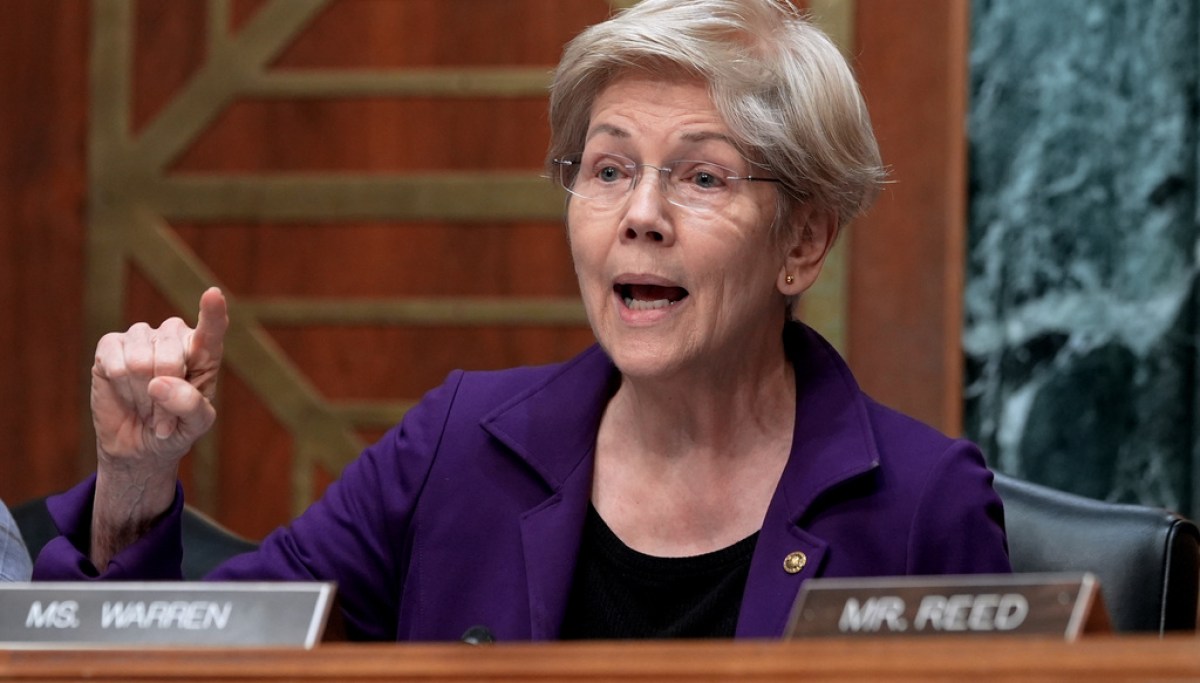
Economic and consumer impact. Liberal-leaning reporting focuses on costs to US households and businesses, citing estimates of hundreds of dollars per household if the new tariffs persist, the risk of higher inflation that could complicate interest‑rate cuts, and corporate efforts to seek refunds for now‑illegal levies; they often quote economists who say Trump’s shifting tariff policy adds damaging uncertainty. Conservative outlets acknowledge short‑term uncertainty but are more likely to stress that the broader tariff framework and revenue projections remain “unchanged,” argue that fears of economic damage are overstated, and frame large-scale refunds as “corporate welfare” rather than justice for overcharged consumers. Liberal stories highlight business groups’ legal push for repayment and note that most Americans in some polls support the Court’s ruling, whereas conservative stories emphasize the administration’s reluctance to issue refunds and portray critics like Elizabeth Warren as using the issue to attack Trump rather than to protect growth.
International repercussions and diplomatic framing. Liberal coverage underscores alarm among allies, describing EU and UK reactions as “disbelief” and “concern,” reporting on suspended or delayed trade talks, and interpreting the episode as another blow to US reliability that encourages partners to diversify away from the dollar-centric system. Conservative outlets acknowledge partner frustration but tend to frame demands from Brussels and others as pressure that Washington should resist, stressing that most countries are not formally exiting tariff deals and that the US still expects its partners to honor agreements. Liberals present the Court’s ruling as a modest win for world trade that partially reassures partners, even as Trump’s follow‑on actions sustain instability; conservatives more often argue that alternative tariff authorities mean US–China and broader trade relations will continue largely unchanged, and that foreign complaints mainly reflect discomfort with a tougher, America‑first trade stance.
In summary, liberal coverage tends to treat the Court’s decision as a vital check on Trump’s overreach and cast his new tariffs as economically risky defiance that strains alliances and household budgets, while conservative coverage tends to decry or downplay judicial constraint, validate Trump’s search for alternative tariff powers as a legitimate assertion of national sovereignty, and emphasize trade leverage, revenue, and resilience over the potential costs and institutional damage.
Story coverage








conservative
Trump Loses Tariff Case
Turn any article into a podcast. Upgrade now to start listening.
25 days ago