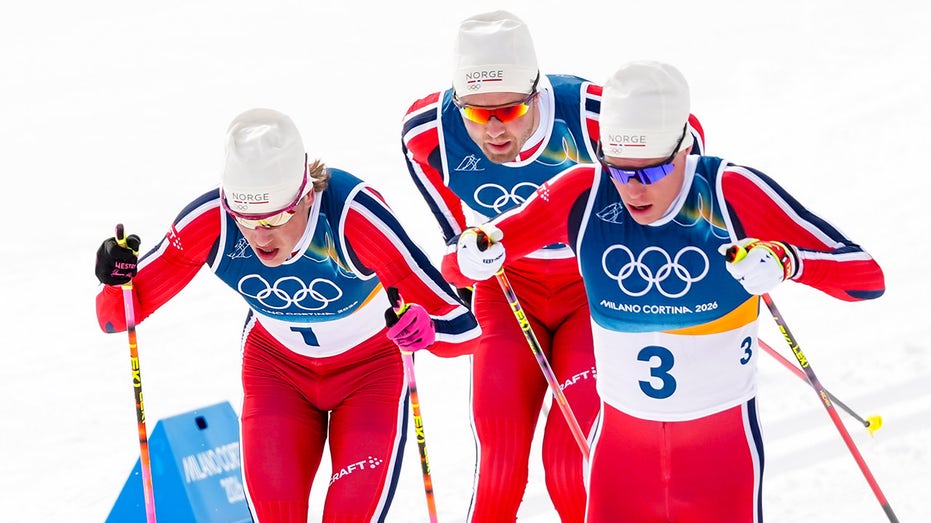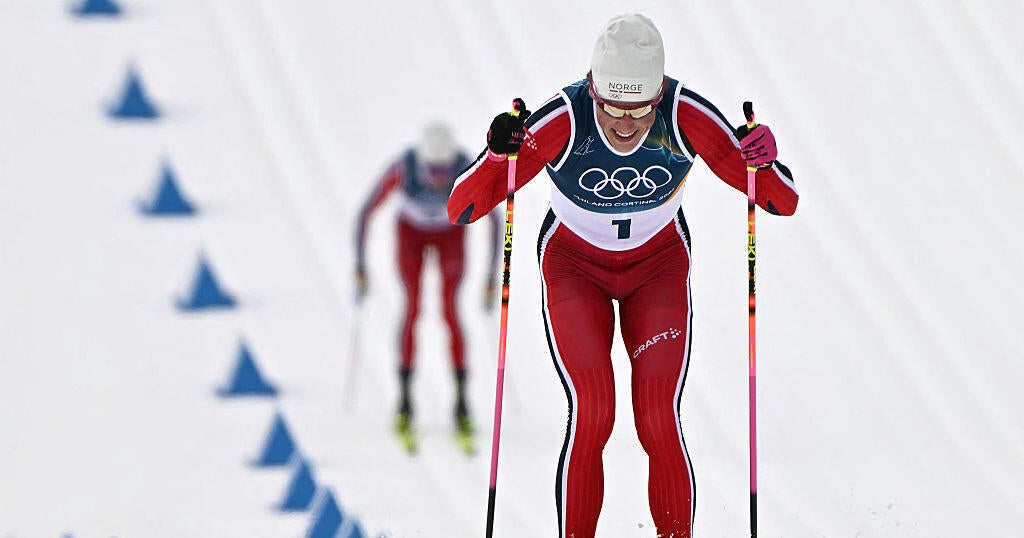

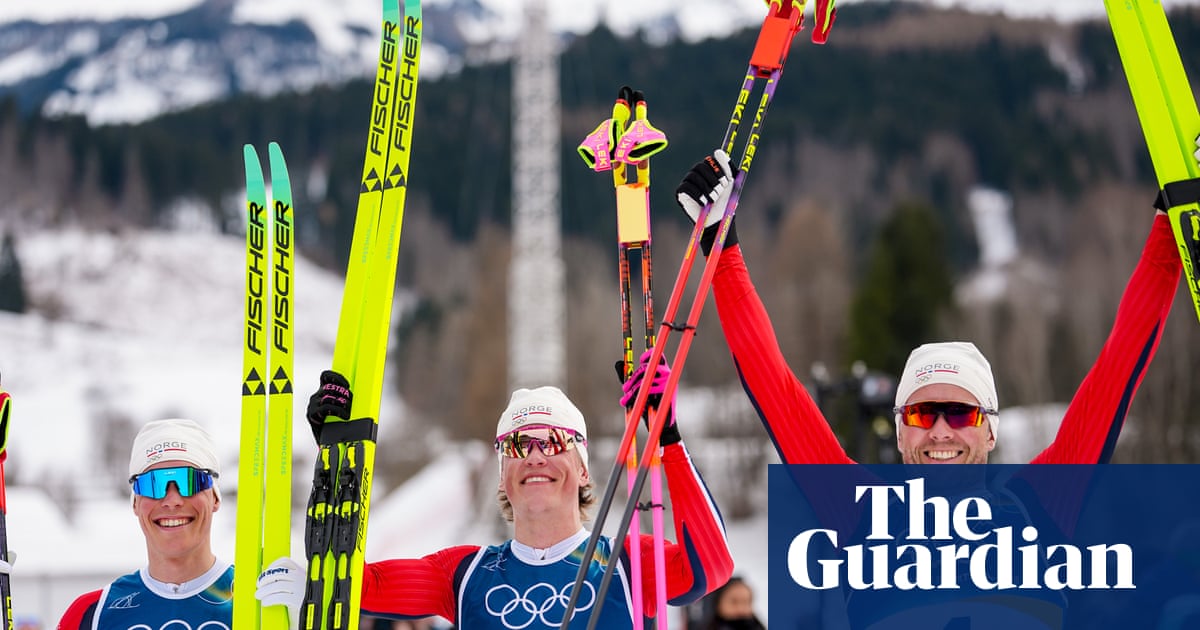
Johannes Høsflot Klæbo of Norway secured his sixth gold medal of the Milan Cortina Winter Olympics by winning the men's 50 km classic mass start, with both liberal and conservative outlets emphasizing that this set a new record for the most golds won by an individual at a single Winter Games. Coverage agrees that Klæbo’s performance surpassed Eric Heiden’s long-standing benchmark from 1980, that the victory capped an extraordinary Games in which he dominated cross-country skiing, and that his rivals and commentators alike now describe him as making a strong case for being the greatest cross-country skier of all time. Reports from across the spectrum also highlight that this sixth gold helped Norway set a new national record for total gold medals at a single Winter Olympics.
Outlets on both sides provide similar background on Klæbo’s rise, noting his prior Olympic success, the technical and tactical sophistication of his racing, and Norway’s entrenched strength and institutional support in cross-country skiing. They also situate his achievement within Olympic history by referencing previous multi-gold legends and explaining that, while Klæbo now holds the record for total golds at one Winter Games, Heiden still retains the mark for most individual-event victories. Shared context includes the importance of cross-country skiing in Norwegian sporting culture, the depth of Norway’s development system, and the broader narrative that these Games have further cemented Norway’s status as the preeminent winter-sport nation.
Areas of disagreement
Framing of the record. Liberal-leaning sources tend to frame Klæbo’s sixth gold primarily as part of a “historic sweep” of cross-country events, stressing his comprehensive dominance and the unprecedented nature of winning every race in his discipline. Conservative outlets focus more on the headline record of six golds at a single Winter Games, presenting it in straightforward terms as a numerical benchmark that surpasses Eric Heiden and underscores individual excellence. Both acknowledge the same statistics, but liberals embed them in a narrative of total-event control, while conservatives highlight the clean, easily comparable record tally.
Historical comparison and nuance. Liberal coverage typically spends more time dissecting how Klæbo’s feat relates to past greats, often clarifying that Heiden’s record for individual wins still stands and placing Klæbo within a broader evolution of equipment, training, and competition depth. Conservative stories usually treat the comparison more succinctly, emphasizing that Klæbo has overtaken Heiden on the single-Games gold count without as much qualification about event formats or historical context. As a result, liberal outlets present a more layered debate about what “greatest” means, while conservative outlets present a clearer, less hedged milestone.
Narrative emphasis on Norway and systems. Liberal-aligned reporting more often foregrounds Norway’s institutional advantages, such as investment in winter sports, coaching systems, and cultural support for cross-country skiing, portraying Klæbo’s win as both individual brilliance and the product of a robust national program. Conservative coverage, while noting Norway’s dominance, tends to put the spotlight more firmly on personal achievement and Klæbo’s star status, with less attention to structural factors or resource disparities between nations. This leads liberals to cast the story as a synergy of athlete and system, while conservatives lean toward a hero-centric narrative.
Characterization of legacy. Liberal sources frequently quote rivals and experts calling Klæbo the greatest skier of all time and explore how his all-event sweep reshapes the sport’s hierarchy, sometimes noting remaining caveats like differing event structures across eras. Conservative outlets also hail him as an all-time great but often in more celebratory, less interrogative terms, treating the six-gold milestone itself as sufficient to cement his legacy. Thus liberal coverage frames his legacy as an ongoing conversation enriched by historical nuance, whereas conservative coverage tends to treat his newly set record as a decisive marker of greatness.
In summary, liberal coverage tends to present Klæbo’s sixth gold as both a historic personal milestone and the culmination of systemic Norwegian dominance, layered with historical nuance and caveats, while conservative coverage tends to foreground the clean numerical record, emphasize his individual star power, and treat the achievement as a more straightforward confirmation of all-time greatness.
Story coverage