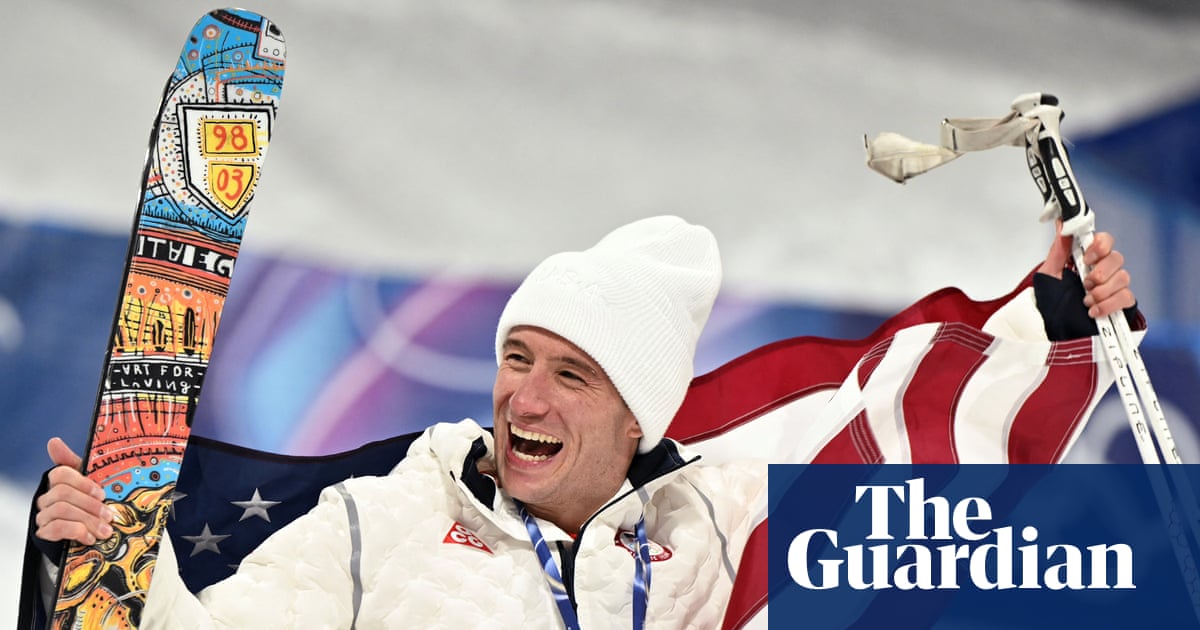

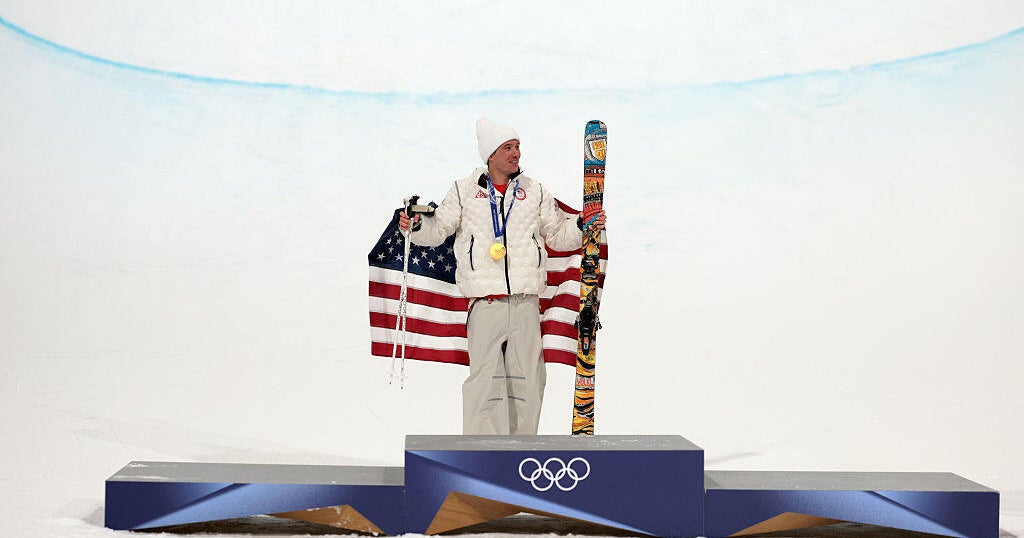
Alex Ferreira, a 31-year-old American freeskier, won the men's freeski halfpipe gold medal at the Winter Olympics in Milano Cortina, completing his personal Olympic medal set after previously earning silver in 2018 and bronze in 2022. He secured the title with a 93.75-point third and final run, finishing ahead of Estonia's Henry Sildaru, who took silver, and Canada's Brendan Mackay, who won bronze and pushed American Nick Goepper off the podium; the result also marked the first gold for the United States in either freeskiing or snowboarding at these Games and reclaimed the men's halfpipe crown for Team USA.
Coverage across the spectrum agrees that Ferreira's win is both a personal milestone and a broader benchmark for the U.S. program, emphasizing his persistence over multiple Olympic cycles and the depth of competition from rising international rivals like Estonia and Canada. Outlets generally situate the event within the evolution of freestyle skiing as a marquee Olympic sport, highlighting how the U.S. has historically been strong in halfpipe but is now facing a more globalized field, and they frame this gold as evidence that veteran athletes can still prevail in a discipline often associated with young phenoms.
Areas of disagreement
Narrative framing of the victory. Liberal-aligned outlets tend to frame Ferreira's gold primarily as a human-interest and legacy story, emphasizing his age, perseverance, and the emotional arc of finally completing his medal set. Conservative outlets (where they cover the story) are more likely to fold the result into a broader narrative of American competitiveness and national pride, spotlighting the restoration of U.S. dominance in the halfpipe. Both sides celebrate the achievement, but liberals lean into personal journey and inclusivity of global competition, while conservatives stress the symbolic win for Team USA on the medal table.
Emphasis on international rivals. Liberal sources highlight the strength of international athletes like Henry Sildaru and Brendan Mackay to underscore how global and competitive freeskiing has become, sometimes noting that an American (Nick Goepper) was edged off the podium as a sign of rising parity. Conservative coverage typically acknowledges these rivals but gives them less narrative weight, focusing instead on the American gold and the reassertion of U.S. leadership in the event. The result is a contrast between a more global, parity-focused framing on the left and a more U.S.-centric, dominance-focused framing on the right.
Institutional and program context. Liberal reports are more inclined to situate Ferreira's success within long-term investments in athlete development, sports science, and Olympic funding structures, sometimes pointing to the importance of sustained public and private support for niche winter sports. Conservative outlets, when they mention context, more often highlight the role of personal grit, family support, and private or grassroots training environments rather than institutional backing. Thus liberals tend to see the win as validation of broader systems and programs, whereas conservatives tend to credit individual responsibility and non-state institutions.
In summary, liberal coverage tends to portray Ferreira's gold as a human-centered milestone within an increasingly global and institutionally supported sport, while conservative coverage tends to stress American resurgence, individual grit, and national prestige linked to reclaiming Olympic halfpipe gold.