

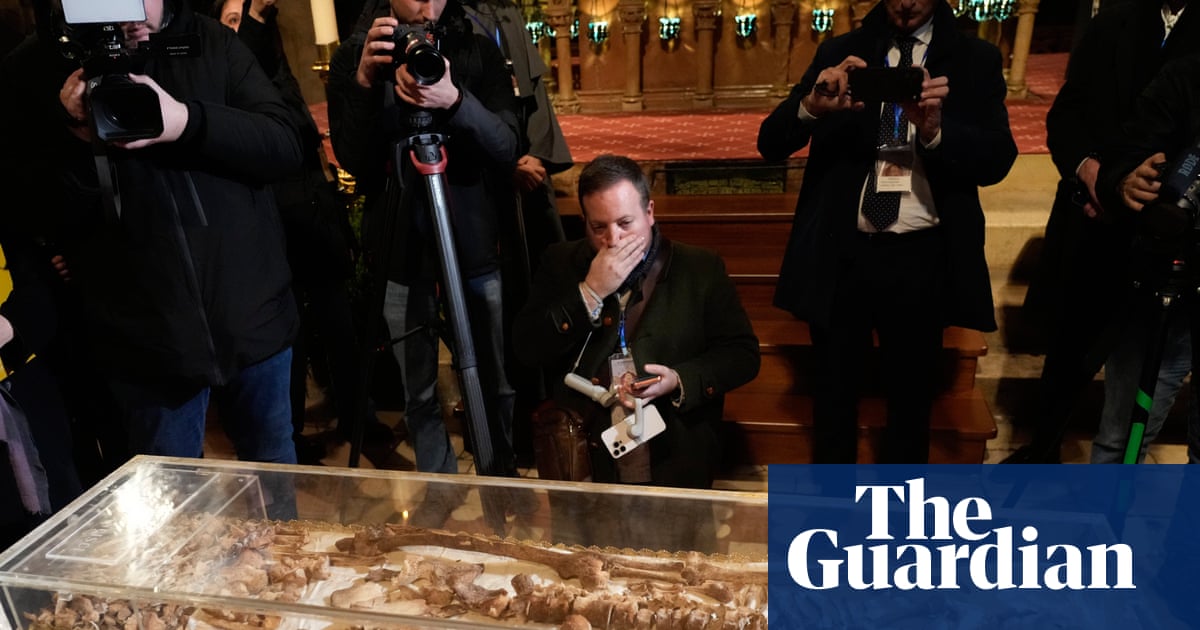
The remains of St. Francis of Assisi have been placed on public display for the first time at the Basilica of St. Francis in Assisi, Italy, housed in a nitrogen-filled case to preserve the fragile bones. Coverage across the spectrum agrees that the exposition is tied to major commemorations of St. Francis, that the bones appear significantly damaged or "consumed" with age, and that interest has been enormous, with reports of hundreds of thousands of pilgrims and visitors registering or expected to attend over the roughly month-long viewing period. Both liberal and conservative outlets note Assisi’s role as St. Francis’s hometown and emphasize the logistical preparations and special safeguarding measures instituted by the friars and local authorities to manage the influx of people.
Across both liberal and conservative sources, St. Francis is presented as a pivotal figure in Catholicism and Christian spirituality, whose life of poverty, humility, and care for creation has inspired believers for centuries. The outlets highlight his enduring influence on the modern church, including his inspiration for Pope Francis’s papal name and agenda, and they situate the display of his relics within a wider tradition of Catholic veneration of saints’ remains as a means of deepening devotion. There is shared framing of the event as both a religious milestone—marking around eight centuries since his death—and a major cultural moment for Assisi and the broader Catholic world, blending pilgrimage, tourism, and heritage preservation in a single, highly visible act of public reverence.
Areas of disagreement
Spiritual versus civic emphasis. Liberal-leaning coverage tends to frame the display as a blend of spiritual devotion, cultural heritage, and museum-grade conservation, emphasizing the scientific care taken with the skeleton and the symbolic meaning of his worn, fragile bones. Conservative outlets, by contrast, lean more heavily into the explicitly devotional dimension, presenting the event foremost as a massive pilgrimage of faith and an opportunity for spiritual renewal. While both acknowledge Assisi’s civic and tourism stakes, conservative sources put the religious significance at the center, whereas liberal sources more evenly balance religious, cultural, and civic angles.
Economic and tourism framing. Liberal-aligned reporting more readily highlights the expected influx of visitors in terms of tourism, crowd management, and potential strain on Assisi as a local community, sometimes casting the event as a logistical and economic phenomenon as much as a religious one. Conservative coverage, though it notes the benefits and challenges for Assisi, usually frames them as secondary to the grace of hosting pilgrims and the honor of stewarding a major relic. The liberal side is more likely to raise the notion of a "mixed blessing" for the town, while conservative outlets present the economic and infrastructural effects as a largely positive byproduct of religious devotion.
Interpretation of the relics’ condition. Liberal-leaning accounts often underscore the descriptive language of the remains as "damaged" or "consumed" but interpret this through a symbolic, almost metaphorical lens, tying it to themes of sacrifice, mortality, and historical authenticity that can resonate even with secular audiences. Conservative sources emphasize the same physical state of the bones but read it chiefly as a testimony to St. Francis’s sanctity, asceticism, and total self-giving for God, reinforcing traditional Catholic understandings of relics as channels of grace. This creates a subtle divide in whether the relics are primarily framed as historical artifacts that inspire reflection or holy objects that invite veneration.
Broader Church and cultural message. Liberal outlets tend to connect the event more explicitly to contemporary concerns such as environmentalism, social justice, and the image of the modern Catholic Church, drawing lines from St. Francis’s life to current papal and institutional priorities. Conservative coverage, while also noting his influence on Pope Francis and modern Christians, more often situates the exposition within continuity of doctrine, tradition, and the enduring importance of visible, tangible signs of faith in an increasingly secular world. Thus, liberals highlight how the display speaks to present-day cultural debates and reforms, whereas conservatives stress its affirmation of longstanding belief and practice.
In summary, liberal coverage tends to present the display of St. Francis’s remains as a convergence of faith, heritage, and contemporary cultural symbolism that invites reflection from both religious and secular audiences, while conservative coverage tends to foreground the event as a major act of Catholic devotion and pilgrimage that confirms traditional understandings of relics, sanctity, and public expressions of faith.
Story coverage

