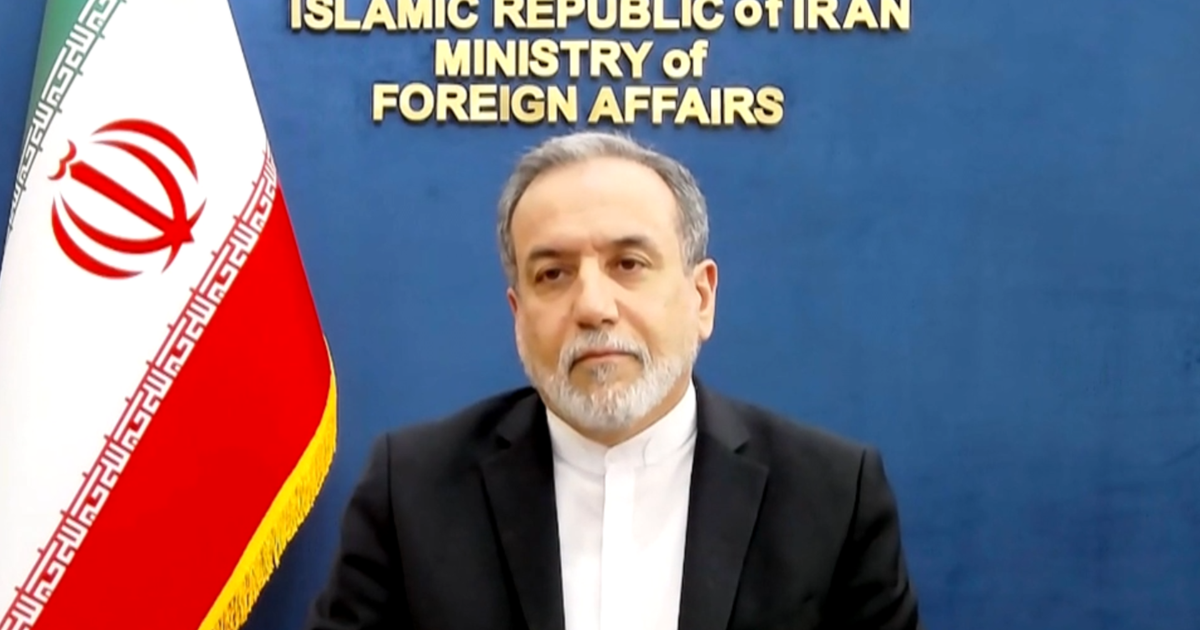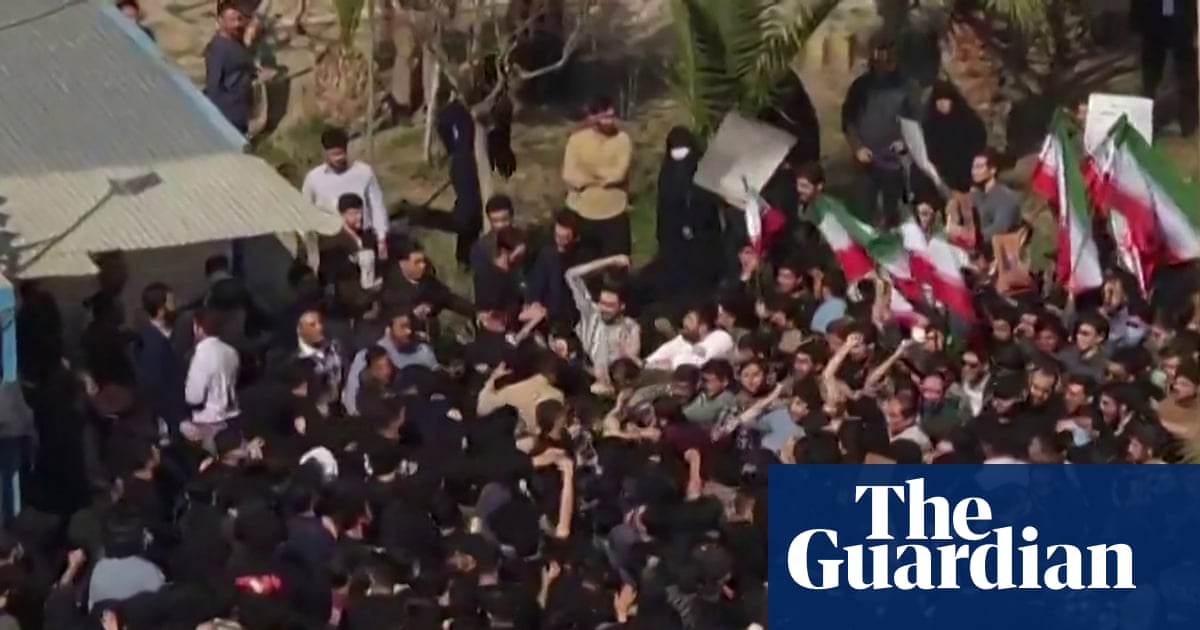




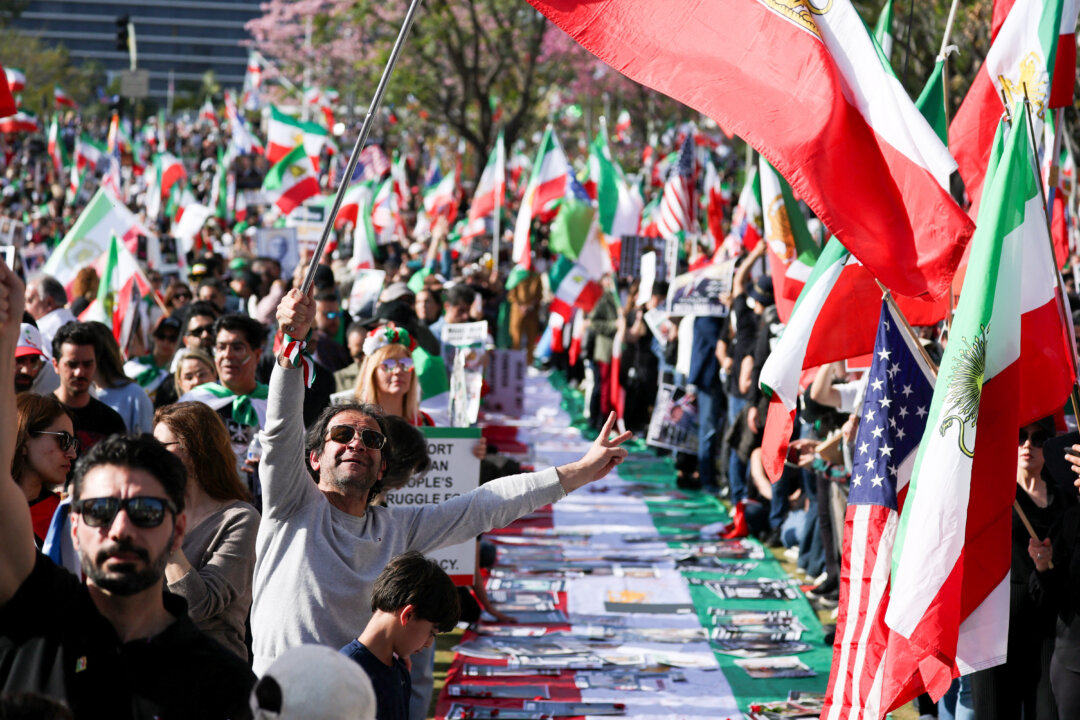
US and Iranian officials are set to hold their next round of nuclear talks in Geneva on Thursday, described across outlets as the third round following earlier meetings in Oman and Switzerland. Both liberal- and conservative-aligned sources agree the talks focus on Iran’s nuclear program, particularly enrichment levels and stockpiles, and are being facilitated or mediated by Oman’s foreign minister. Reports concur that Iran is expected to bring or refine a proposal limiting its enriched uranium in exchange for sanctions relief, that recent student-led protests and memorial gatherings in Iran form part of the backdrop, and that both sides publicly say they prefer diplomacy even as they acknowledge the possibility of military confrontation. Coverage also aligns on basic timeline details, Tehran’s insistence it will defend itself if attacked, Washington’s continued military presence in the region, and the fact that oil prices have edged lower on perceptions of slightly reduced geopolitical risk as talks resume.
Outlets across the spectrum also agree that these talks take place against the long shadow of the JCPOA’s collapse and years of mistrust between Washington and Tehran, with outstanding disputes over nuclear verification, missile programs, and regional proxy activities. They similarly underscore that Iran frames its nuclear activities as a sovereign right under the Nuclear Non-Proliferation Treaty, including peaceful enrichment, while the US seeks binding limits and intrusive monitoring to prevent weaponization. Both sides describe internal political pressures: Iran’s leadership must manage renewed protests and sensitivities about national pride and dignity, while US officials must navigate domestic skepticism about any deal with Tehran and the legacy of prior agreements. There is shared recognition that Oman has become a key channel for quiet mediation, that regional stability and global energy markets are closely tied to the outcome, and that even incremental progress in Geneva could reshape the diplomatic and economic landscape for both countries.
Areas of disagreement
Framing of the talks’ prospects. Liberal-aligned coverage tends to highlight signs of progress, such as US assessments that Iran is seriously considering limits on enriched uranium and Omani optimism about finalizing a deal, portraying Geneva as an opportunity to de-escalate. Conservative-aligned reports more often emphasize that core disagreements on enrichment, missiles, and proxies remain unresolved and describe the chances of a durable agreement as low. Where liberal outlets stress the calming effect on oil prices and the potential for a diplomatic breakthrough, conservative outlets frame the talks as fragile and uncertain, with a high risk of failure.
Military threats and leverage. Liberal sources acknowledge that both Washington and Tehran signal readiness for conflict but foreground the message that diplomacy is the only viable path, casting threats as background pressure rather than the main story. Conservative sources more prominently feature President Trump’s willingness to order a strike if talks stall and emphasize Iran’s vulnerability to US military power, while still noting Iran’s threats to hit American bases. The liberal coverage generally treats military options as deterrent tools to support negotiations, whereas conservative coverage presents them as central leverage that may be necessary if diplomacy falls short.
Portrayal of Iran’s nuclear rights and behavior. Liberal-leaning outlets give extensive space to Iranian officials’ assertion of a right to peaceful nuclear energy and enrichment as a matter of national dignity, framing the talks around reconciling those rights with nonproliferation safeguards and sanctions relief. Conservative outlets acknowledge Iran’s stated peaceful intent but focus more on the risk of nuclear breakout, ballistic missiles, and support for proxies, casting doubt on Tehran’s reliability and intentions. As a result, liberal coverage presents enrichment under strict monitoring as a potentially acceptable compromise, while conservative coverage treats any recognition of enrichment as a significant concession that may not be justified by Iran’s track record.
Domestic unrest and political context. Liberal coverage more deeply connects the renewed protests and student demonstrations in Iran to the nuclear talks, suggesting that internal discontent and prior crackdowns increase pressure on Tehran to secure economic relief via a deal. Conservative coverage mentions protests and domestic strain but tends to foreground how US political dynamics, including skepticism of Iran and debates over deterrence, constrain American negotiators. Where liberals stress how human rights concerns and social unrest could shape Iran’s calculus, conservatives stress the need for Washington to avoid appearing weak or overly trusting of a regime they see as repressive and destabilizing.
In summary, liberal coverage tends to see the Geneva talks as a hard but potentially constructive step toward balancing Iran’s nuclear rights with strict controls and economic relief, while conservative coverage tends to cast the same talks as low-probability diplomacy conducted under the shadow of necessary military pressure and deep skepticism about Tehran’s intentions.