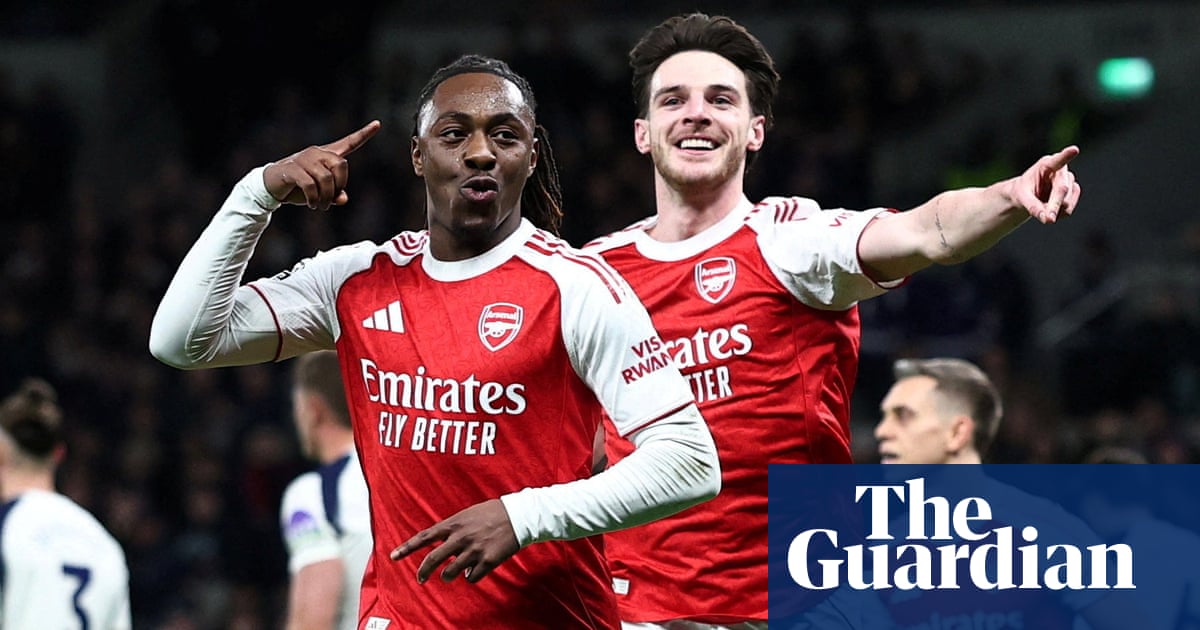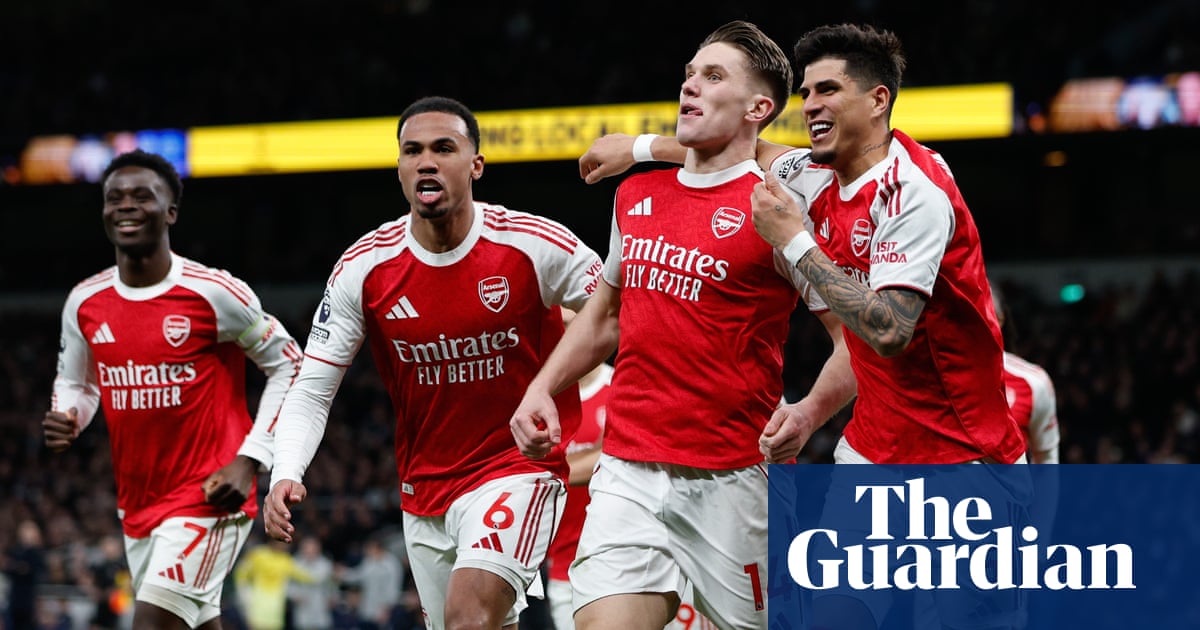
Arsenal’s 4–1 win over Tottenham in the Premier League is reported across the spectrum as a decisive, one‑sided derby played at Tottenham’s ground, with Arsenal clearly the superior side on the day. Liberal‑aligned outlets describe a match in which Arsenal repeatedly punished Spurs’ defensive errors, with Eberechi Eze and Viktor Gyökeres each scoring twice, and Tottenham’s brief equaliser doing little to change the overall pattern of Arsenal dominance. Both sides of the spectrum, where covered, agree that the result relieves pressure on Mikel Arteta after a run of draws, further damages Tottenham’s season under new manager Igor Tudor, and reinforces the notion that the current gap in quality between the two clubs is significant.
On the broader context, there is agreement that this match has implications for the title race, as Arsenal extend or consolidate a lead over Manchester City and reassert themselves after questions about their resilience. Coverage from both sides notes that Tottenham are in a transitional phase under Tudor, struggling with defensive organisation and individual errors, and that this derby serves as another data point in a season where Arsenal are competing at the top while Spurs search for identity and stability. Both perspectives frame the game as fitting long‑running narratives: Arsenal as a maturing, more ruthless title contender, and Tottenham as a club whose structural and tactical issues are exposed when facing elite opposition.
Areas of disagreement
Significance of the result. Liberal‑aligned sources tend to emphasise that the match confirms existing realities rather than fundamentally changing them, casting the win as another demonstration of Arsenal’s superiority and Tottenham’s decline rather than a dramatic turning point. Conservative outlets, where they weigh in, are more likely to frame the result as a symbolic watershed, either as a sign of Arsenal’s supposed overperformance that may not be sustainable or as a stark warning for Tottenham’s hierarchy about the depth of problems at the club.
Narrative around Arsenal. Liberal coverage stresses that the victory undercuts the “bottlers” label, highlighting Arsenal’s composure after conceding and their ability to respond with further goals, bolstering Arteta’s long‑term project. Conservative coverage is more inclined to question whether one emphatic derby win truly settles doubts about Arsenal’s mentality, sometimes suggesting that familiar frailties could still re‑emerge against stronger or more disciplined opponents.
Portrayal of Tottenham. Liberal outlets depict Tottenham primarily as the architects of their own downfall, stressing individual errors, tactical incoherence, and the limited positives Igor Tudor can take from the game. Conservative‑leaning commentary is more prone to contextualise Spurs’ struggles with references to injuries, squad construction, and ownership decisions, spreading responsibility beyond the manager and current players and, at times, portraying them as victims of longer‑term mismanagement.
Impact on the title race. Liberal‑aligned reporting generally frames the win as a genuine boost to Arsenal’s title bid, emphasising points gained, momentum restored, and psychological value in a dominant derby performance. Conservative sources are more likely to downplay its broader significance, suggesting that the real test lies in upcoming fixtures against top rivals or portraying Manchester City as still firmly favoured, thereby casting Arsenal’s surge as important but not yet decisive.
In summary, liberal coverage tends to treat Arsenal’s win as validation of a maturing, structurally sound title challenger and as an indictment of Tottenham’s current state, while conservative coverage tends to question the durability of Arsenal’s surge, diffuse blame for Spurs’ failings across deeper institutional factors, and downplay the match’s ultimate importance in determining the title race.