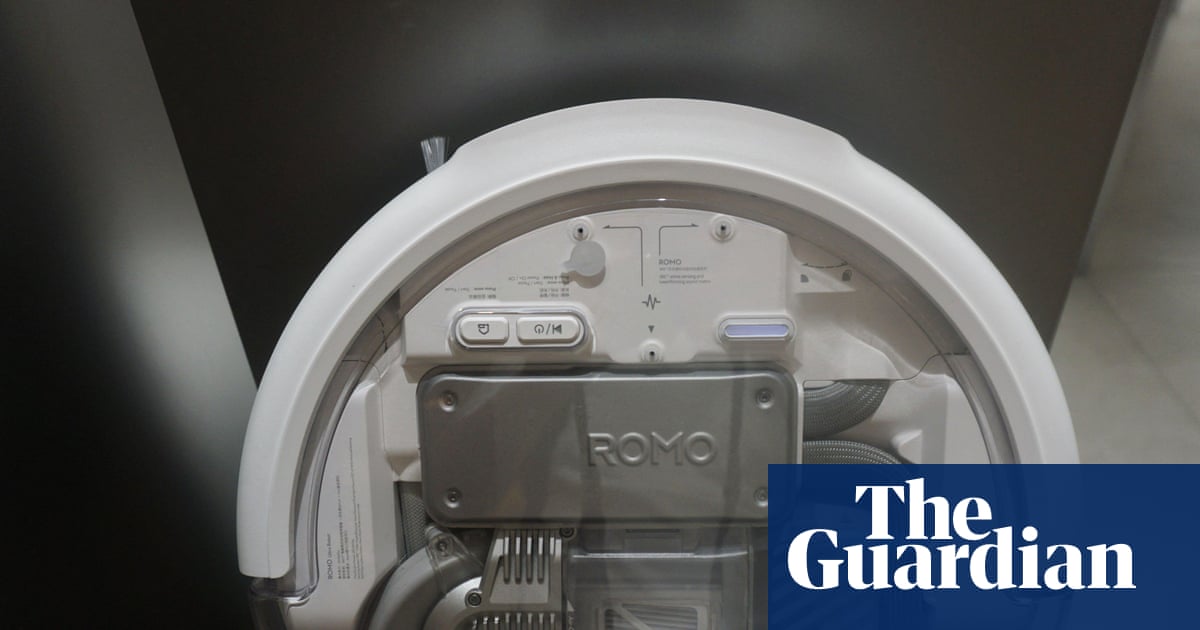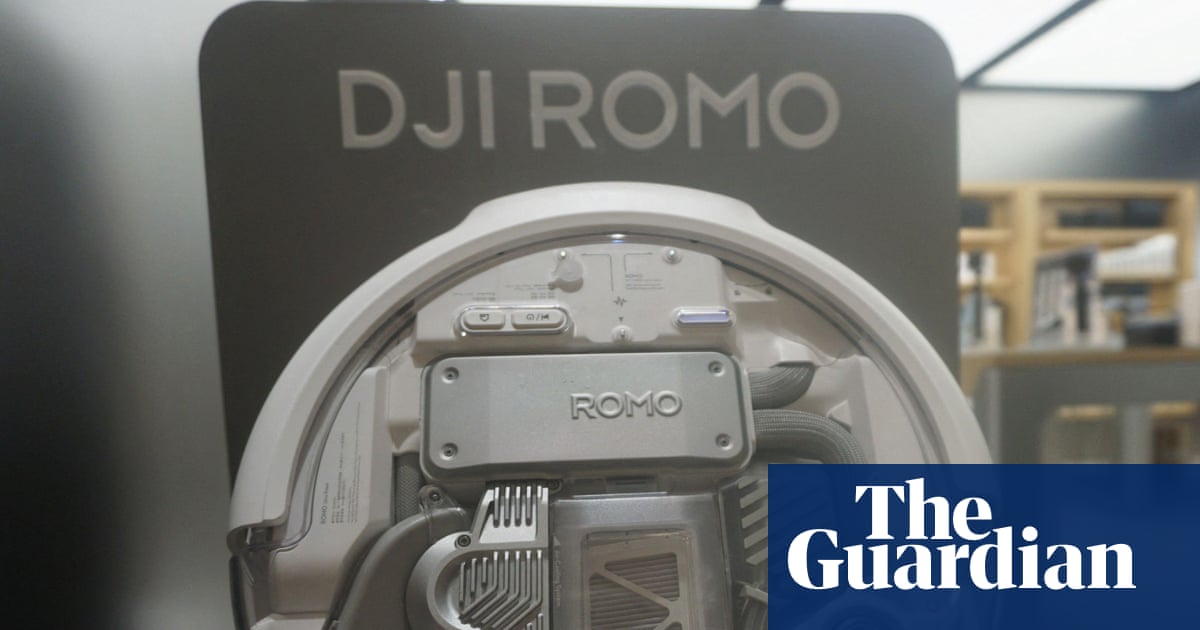
A Spanish software engineer, identified as Sammy Azdoufal, discovered that he could remotely access and control roughly 7,000 DJI Romo smart vacuums around the world after reverse‑engineering how his own device communicated with company servers. Liberal-aligned coverage agrees on the core facts: Azdoufal gained access to devices spread across about two dozen countries, could view live camera feeds and microphone audio, see detailed home maps, and in some cases take direct control of the robots, revealing a major security flaw in DJI’s ecosystem. Outlets concur that Azdoufal reported the issue rather than exploiting it, that he disclosed his findings through a tech outlet rather than directly to the public first, and that DJI subsequently acknowledged and patched the vulnerability.
Across liberal reporting, there is shared context that this episode reflects a broader, systemic problem in the smart‑device market, where rapid innovation often outpaces robust security design and privacy safeguards. These outlets describe smart vacuums and similar connected devices as potential de facto surveillance tools inside homes, creating rich data about layouts, routines, and personal life that can be misused if poorly protected. They emphasize that companies like DJI rely on cloud connectivity and centralized control architectures that, if misconfigured or insecure, can turn a single coding or authentication flaw into a global-scale breach. There is also agreement that this case illustrates the need for stronger security‑by‑design practices, clearer regulatory standards on data protection for consumer IoT products, and more responsible vulnerability disclosure processes between independent researchers and manufacturers.
Areas of disagreement
Framing of the incident. Liberal-aligned sources tend to frame Azdoufal’s discovery primarily as a privacy and civil-liberties alarm bell, stressing how easily intimate details of people’s homes could be exposed and highlighting the risks of surveillance capitalism. In the absence of direct conservative coverage on this specific case, right-leaning narratives on similar tech stories typically emphasize the ingenuity of individual researchers and the dangers of centralized, often foreign-owned platforms, casting the episode more as a cautionary tale about big tech and geopolitical risk than about domestic privacy norms. Liberal sources situate the story within concerns about corporate data hoarding and weak consumer protections, while conservative sources would be more likely to spotlight national security angles and personal responsibility in device purchasing decisions.
Regulation and policy responses. Liberal coverage commonly uses such incidents to argue for stronger government oversight of consumer IoT, including stricter security standards, mandatory privacy-by-design, and tougher penalties for companies that ship insecure products. Conservative commentary on comparable issues usually warns that heavy-handed regulation could stifle innovation and burden smaller manufacturers, favoring market-driven solutions, clearer labeling, or voluntary standards over expansive rulemaking. While liberals see this case as evidence that self-regulation has failed and that state intervention is needed to safeguard consumers, conservatives would more likely push for targeted, minimal regulation focused on transparency and accountability rather than broad new mandates.
Responsibility and blame. Liberal-aligned outlets generally place primary responsibility on manufacturers like DJI, arguing that consumers cannot reasonably be expected to audit complex firmware or networking protocols and should be able to trust that products are secure by default. Conservative perspectives on similar breaches often distribute responsibility more widely, faulting both companies for lax security and users for inviting internet-connected devices deeper into their homes without considering risks. Liberals thus portray Azdoufal as a whistleblower exposing corporate negligence, whereas conservatives would be more inclined to cast him as an example of why individuals must stay vigilant about what technologies they adopt.
Geopolitical and corporate trust. Liberal coverage of this incident focuses more on data privacy and corporate accountability in general, with only limited emphasis on DJI’s Chinese origins or geopolitical implications. Conservative outlets covering adjacent tech and security topics frequently stress concerns about Chinese firms handling sensitive Western user data, linking such vulnerabilities to broader worries about espionage and foreign influence. Liberals frame the problem as structural across the entire IoT industry regardless of country of origin, while conservatives tend to highlight the added risk of entrusting home-mapping devices to companies subject to rival governments’ influence.
In summary, liberal coverage tends to highlight systemic privacy risks, corporate negligence, and the need for stronger regulation and consumer protections, while conservative coverage tends to contextualize similar incidents in terms of individual responsibility, market-based fixes, and heightened skepticism toward foreign or centralized tech platforms.