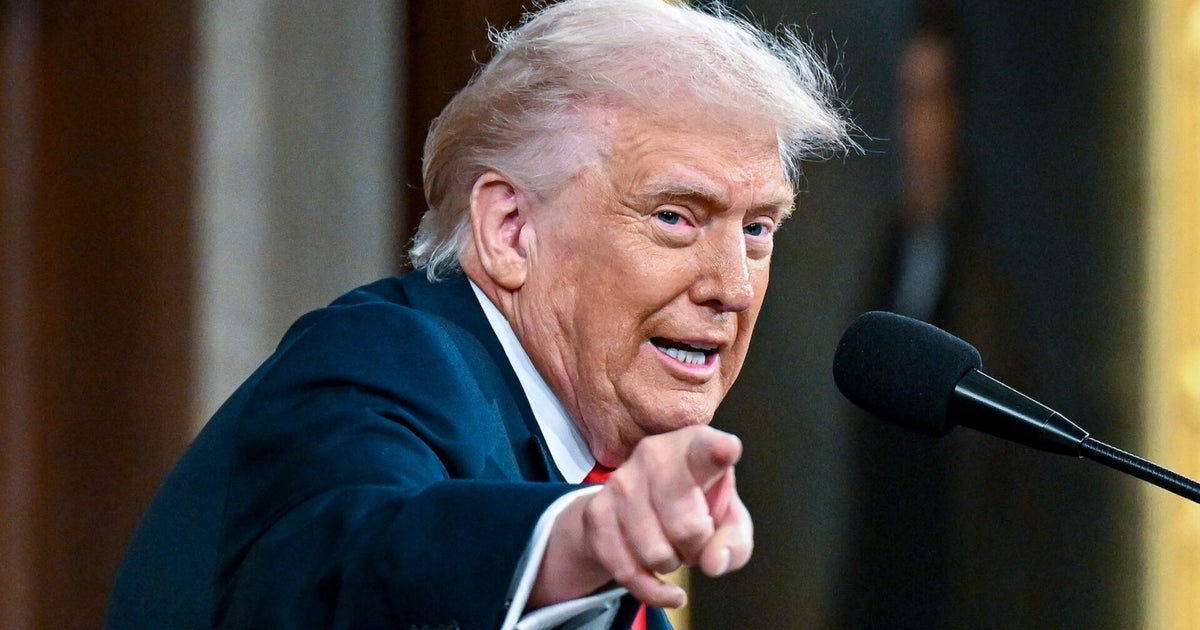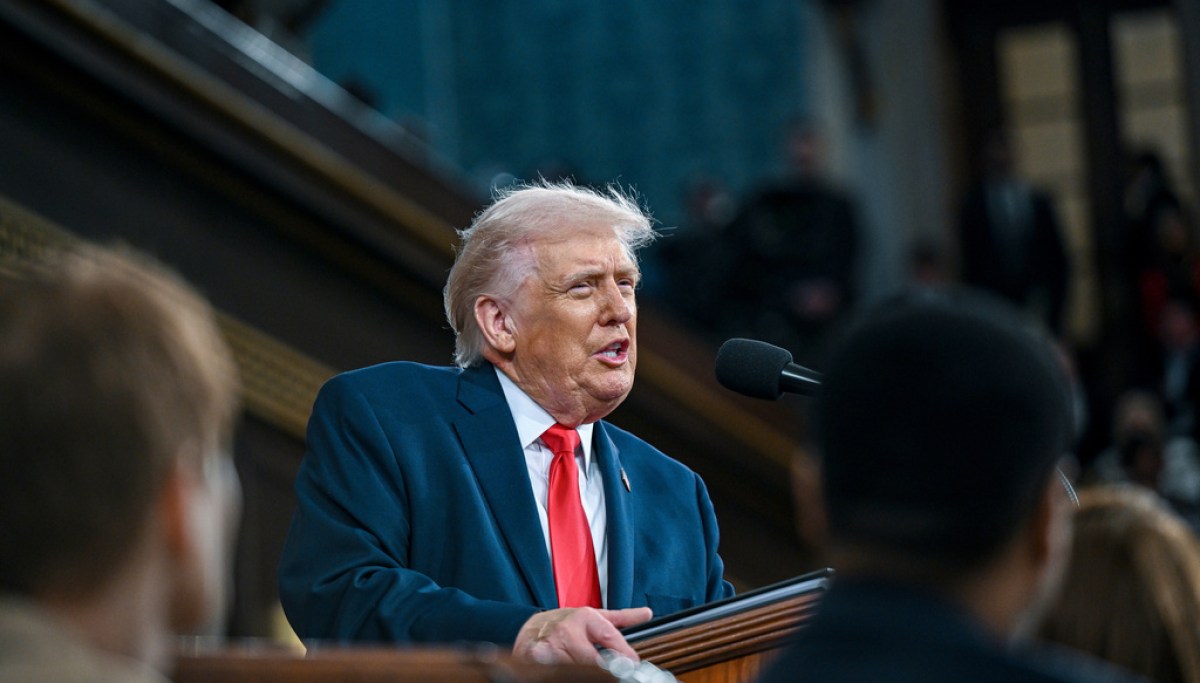



Trump’s State of the Union address unveiled a proposal to create new government-facilitated retirement savings accounts for the roughly 56 million Americans who lack access to employer-sponsored plans like 401(k)s. Across both liberal- and conservative-leaning outlets, coverage agrees that the accounts would mirror the existing Thrift Savings Plan used by federal workers and would include a government match of up to about $1,000 per year for eligible savers, targeted especially at workers whose employers do not offer retirement plans or matching contributions. Reports concur that the initiative is framed as expanding retirement savings opportunities and that it would function as a government-run or government-managed investment vehicle in which participants contribute and receive federal matching funds.
Outlets on both sides also agree that this proposal is part of a broader policy push to increase retirement security and wealth-building opportunities, particularly for lower- and middle-income workers who have been underserved by the current employer-based system. They note that the plan builds on existing retirement infrastructure and is intended to give more Americans a direct stake in long-term financial markets, aligning individual retirement outcomes with overall economic growth. Coverage further converges on the idea that the policy is meant to address gaps left by traditional private-sector retirement offerings and to extend benefits comparable to those long available to federal employees, though many implementation details, such as precise eligibility rules and funding mechanisms, remain unspecified.
Areas of disagreement
Policy framing and intent. Liberal-aligned outlets describe the proposal primarily as a technocratic fix for the large population left without workplace plans, emphasizing coverage gaps, administrative design, and unanswered questions about funding and effectiveness. Conservative outlets instead present it as a visionary expansion of the American dream, casting the accounts as a way to turn workers into shareholders and to deepen broad-based participation in the nation’s economic success. While liberal coverage tends to stress the limited size of the match and the program’s role within an inequitable retirement landscape, conservative coverage highlights empowerment, wealth creation, and continuity with prior pro-growth Trump policies.
Economic and fiscal scrutiny. Liberal sources foreground doubts about how the government match of up to $1,000 per year will be financed and whether the benefit level is sufficient to materially improve retirement security for low-wage workers. They often invoke expert skepticism about the plan’s cost-effectiveness, potential administrative complexity, and the risk that it could distract from broader structural reforms like strengthening Social Security or expanding employer mandates. Conservative outlets pay far less attention to budgetary trade-offs and instead frame the match as an investment that will enhance financial stability and long-term savings, presenting fiscal implications as justified by anticipated gains in household wealth and market participation.
Equity and beneficiaries. Liberal coverage focuses on who has been “left behind,” stressing that the 56 million without employer plans are disproportionately lower-income, gig, and small-business workers, and questioning whether voluntary accounts will reach those with the least ability to save. These outlets are more likely to suggest that, without stronger protections or automatic enrollment, the new accounts may disproportionately benefit somewhat better-off workers who can already afford contributions. Conservative reporting is more likely to use broad language about “all American workers,” portraying the policy as universally accessible and downplaying distributional concerns in favor of a narrative that any worker who participates can gain an ownership stake.
Role of government versus markets. Liberal-aligned sources present the accounts as government-facilitated and stress regulatory design, safeguards, and parallels to existing public retirement programs, sometimes warning that relying on individual investment accounts may not substitute for robust public retirement guarantees. Conservative outlets, while acknowledging the government-run structure, emphasize market participation, investment choice, and personal responsibility, portraying the government’s role as enabling individuals to tap into capital markets rather than expanding traditional welfare. As a result, liberals interrogate whether the proposal adequately addresses systemic retirement insecurity, whereas conservatives celebrate it as a way for the state to help individuals build market-based wealth without heavy-handed redistribution.
In summary, liberal coverage tends to treat Trump’s proposed retirement accounts as an incremental, partially underexplained policy that may modestly help uncovered workers but raises concerns about funding, reach, and equity, while conservative coverage tends to celebrate the plan as a bold expansion of market-based ownership that gives more Americans a financial stake in the country’s economic success.