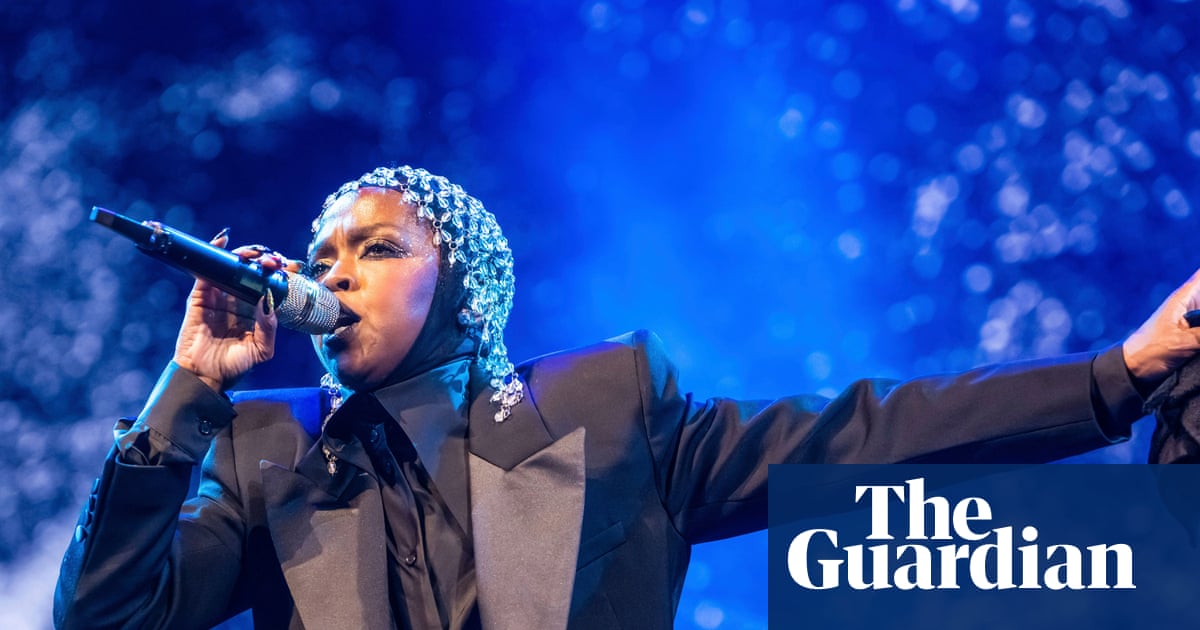

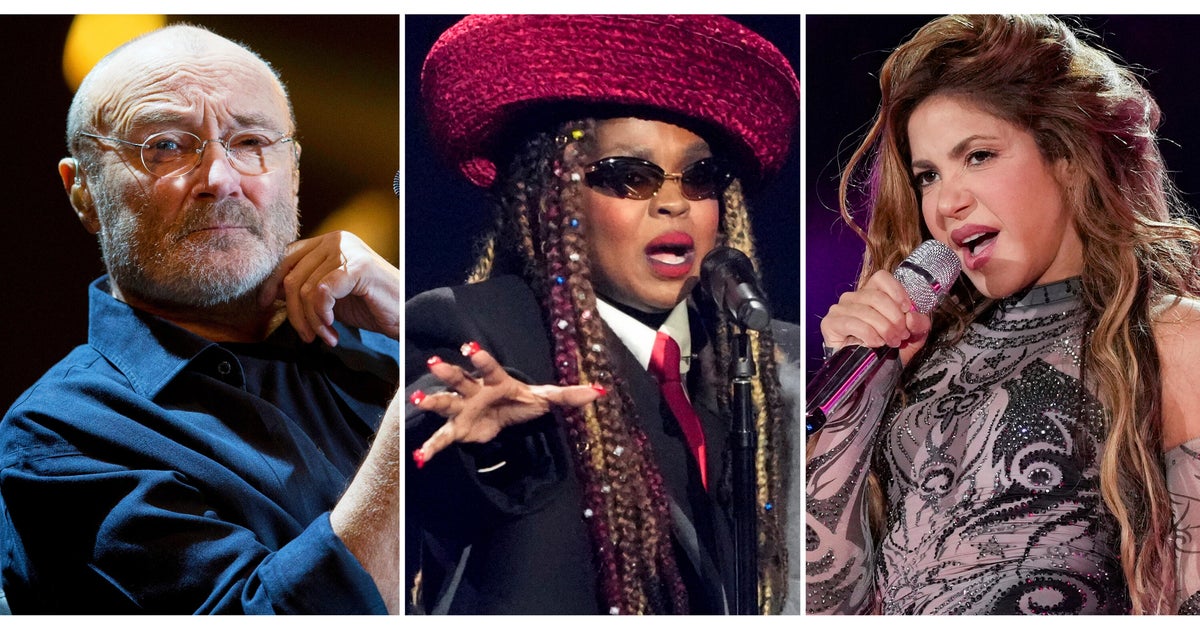
Phil Collins, Mariah Carey, Lauryn Hill, INXS, Iron Maiden, Luther Vandross, Shakira, Pink, the Wu-Tang Clan and other artists have been named among 17 nominees for the Rock & Roll Hall of Fame’s 2026 induction class. Coverage notes that ten of the acts are first-time nominees, that the ballot spans multiple genres beyond traditional rock, and that inductees will be selected by more than 1,200 artists, historians, and music industry professionals, with final results to be announced in April at the Rock Hall’s annual ceremony.
Reports from across the spectrum describe the Rock & Roll Hall of Fame as a long-standing institution that both celebrates musical achievement and shapes the canon of popular music. There is shared emphasis on the Hall’s evolving definition of “rock and roll” as a broad umbrella for pop, R&B, hip-hop, and metal, and agreement that nomination patterns reflect wider cultural and industry shifts toward greater global representation and genre diversity.
Areas of disagreement
Framing of diversity. Liberal-leaning coverage emphasizes the slate as a “diverse list,” foregrounding gender, racial, and stylistic variety and often tying it to overdue recognition for artists outside the classic-rock mold. In the absence of detailed conservative reporting on this specific announcement, right-leaning outlets typically frame Hall of Fame debates more skeptically, questioning whether diversity language sometimes masks politicking or trend-chasing. Liberal sources tend to present this year’s lineup as evidence of progress, while conservative commentary, where it appears, is more likely to ask whether demographic and genre balance should be a priority over perceived musical influence.
Definition of rock and roll. Liberal-aligned outlets tend to highlight how the Hall’s definition of rock and roll has long included pop, R&B, hip-hop, and global artists, and they present nominees like Mariah Carey, Shakira, and the Wu-Tang Clan as natural fits under a broad cultural umbrella. Conservative coverage of similar nominations in past years has been more inclined to argue that expanding too far beyond guitar-based rock dilutes the Hall’s original mission, questioning whether some pop and hip-hop acts belong in a “rock” institution. Thus liberals lean into an expansive, culture-first definition, while conservatives more often defend a genre-bound understanding.
Institutional credibility and process. Liberal sources generally describe the 1,200-person voting body as a credible cross-section of artists, historians, and industry figures, treating the process as imperfect but broadly legitimate. Conservative commentary about the Rock Hall in comparable cycles has tended to scrutinize the institution as another elite cultural gatekeeper, raising concerns about opaque criteria and potential ideological or commercial bias in who gets nominated. While liberal outlets largely assume the process is sound and focus on who is finally getting recognition, conservatives are more likely to question whether the institution itself still holds authority to define musical greatness.
Cultural significance. Liberal-aligned reporting often situates these nominations within larger narratives about representation, artistic innovation, and the global reach of popular music, suggesting that induction can help rewrite a historically narrow canon. Conservative voices, when they address Rock Hall news, more often frame the Hall as just one of many honors and question whether its choices reflect mass audience enthusiasm or niche critical fashions. This leads liberals to treat the nominations as a meaningful cultural milestone, while conservatives tend to downplay their broader cultural weight.
In summary, liberal coverage tends to celebrate the 2026 nominees as a diverse, canon-expanding slate that reflects a legitimate and evolving institution, while conservative coverage tends to approach similar Rock Hall announcements with more skepticism about genre boundaries, diversity framing, and the Hall’s cultural authority.