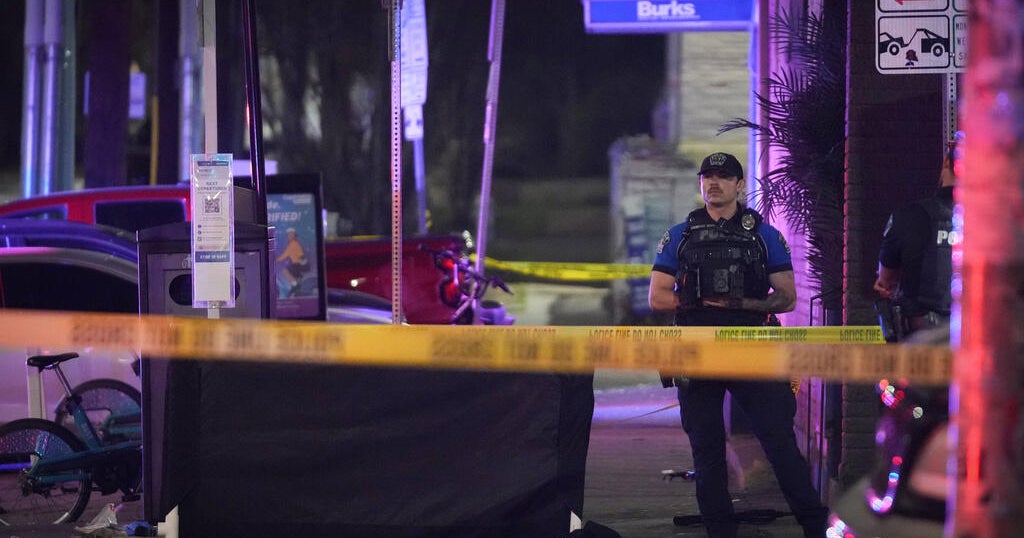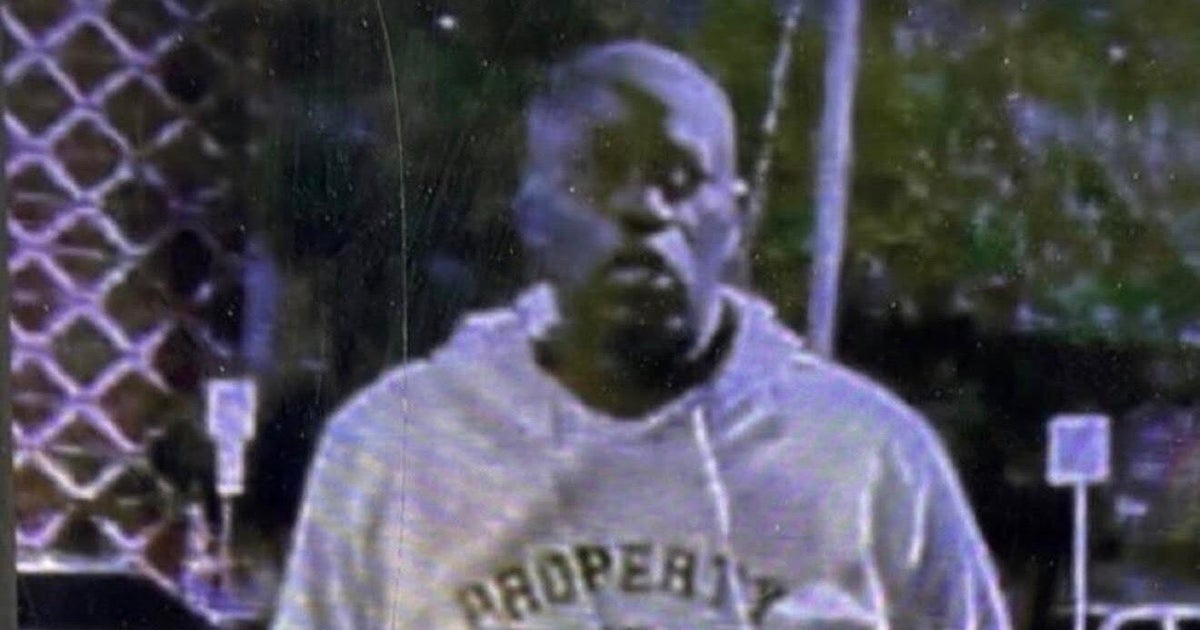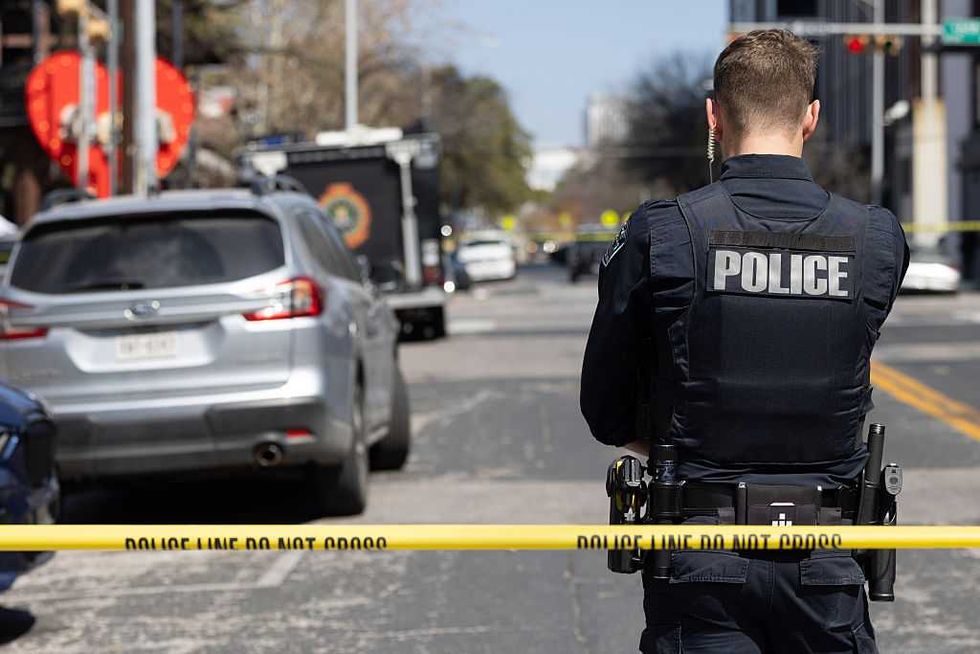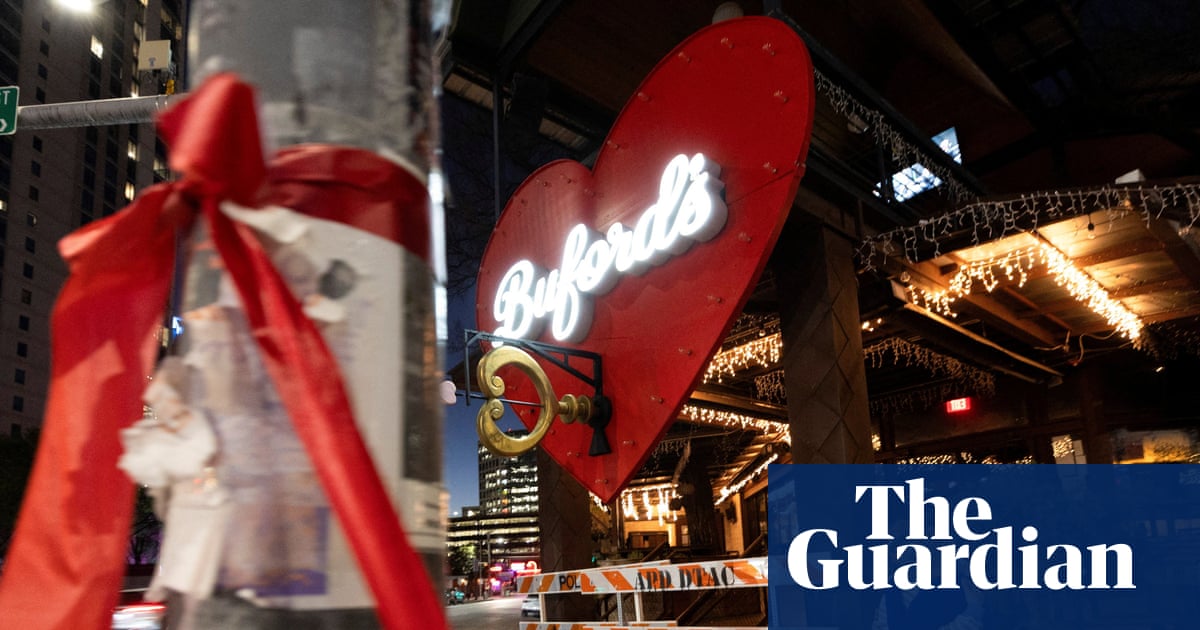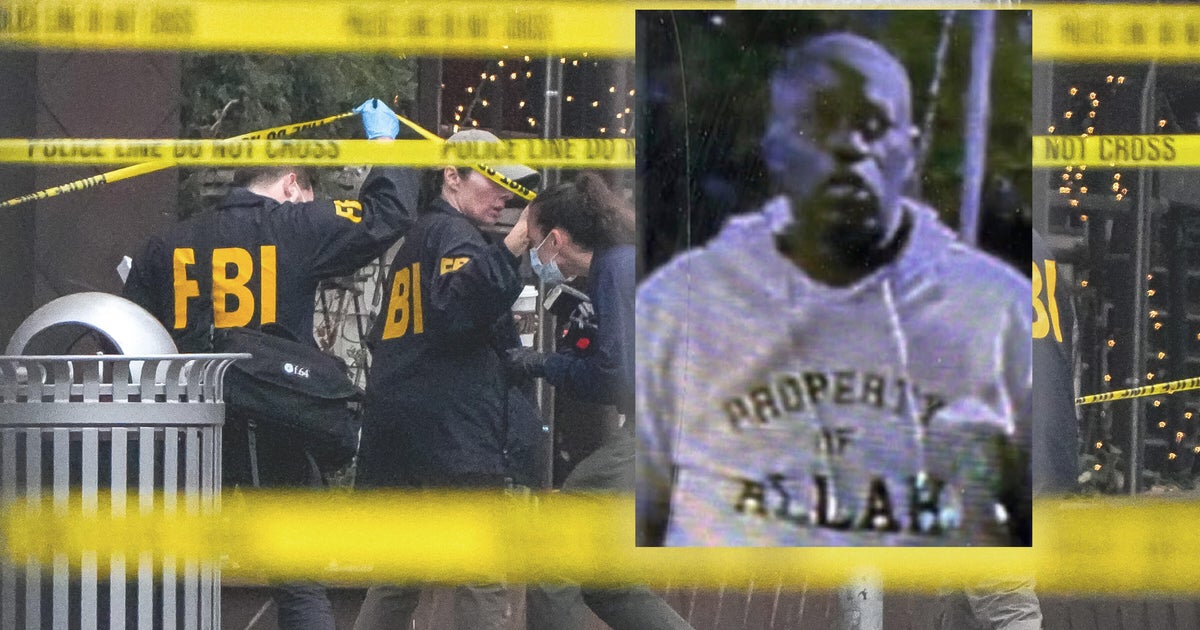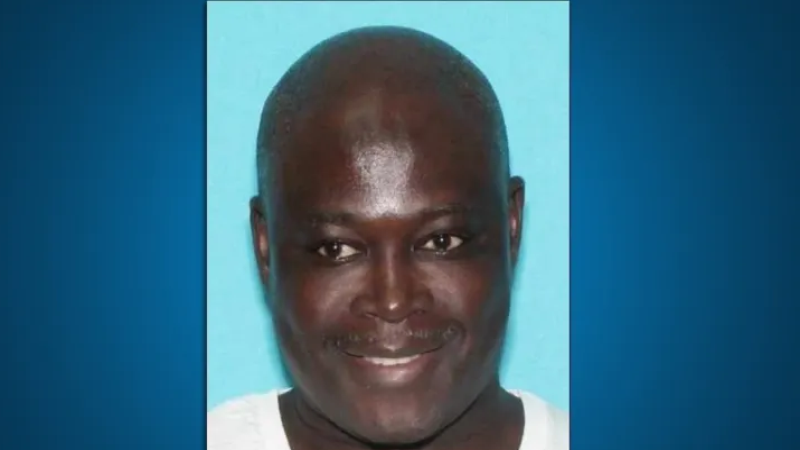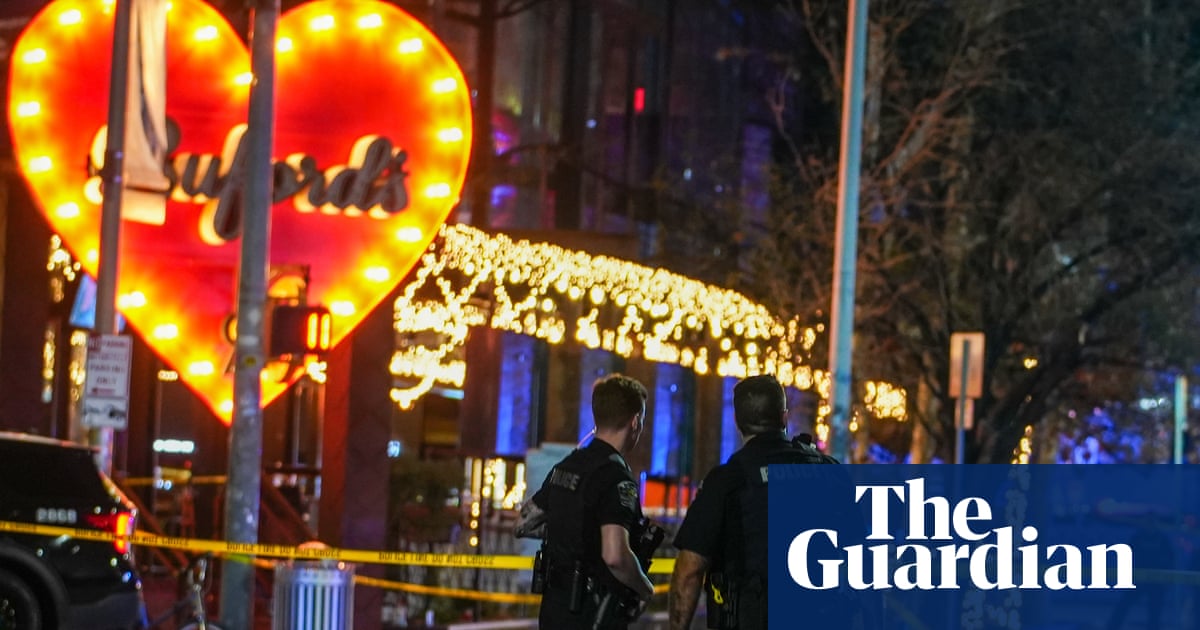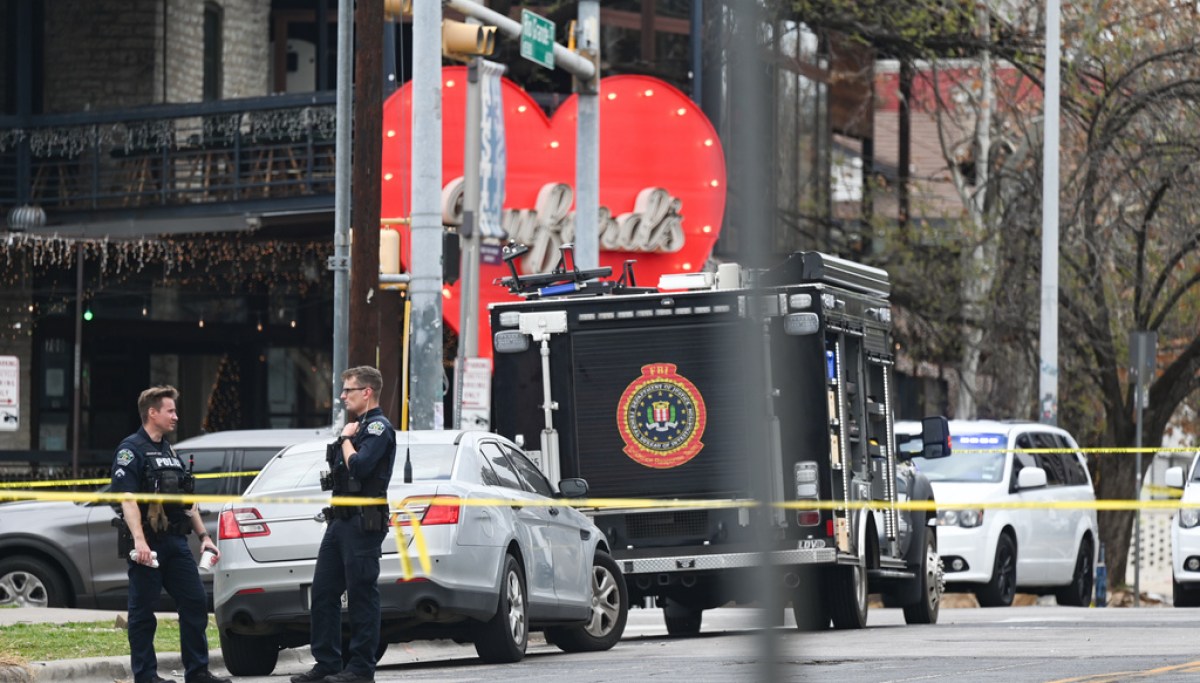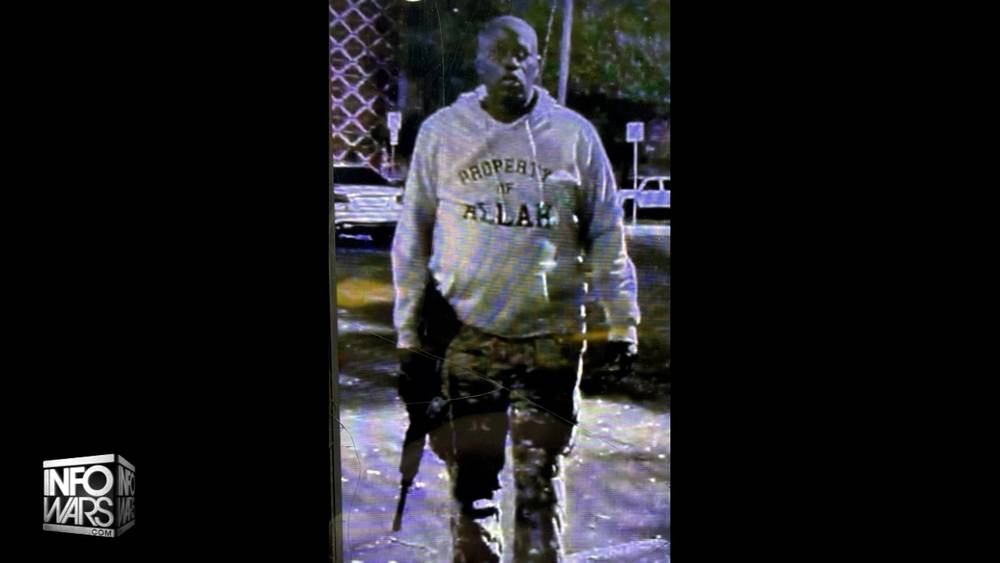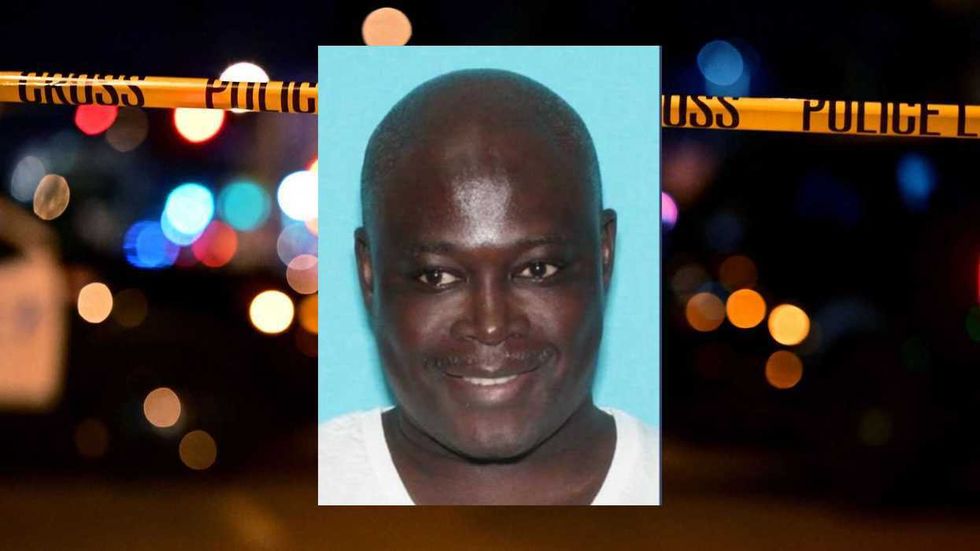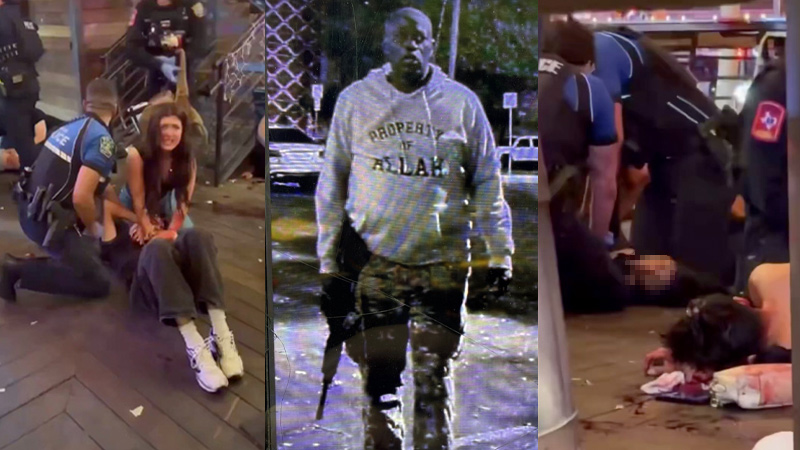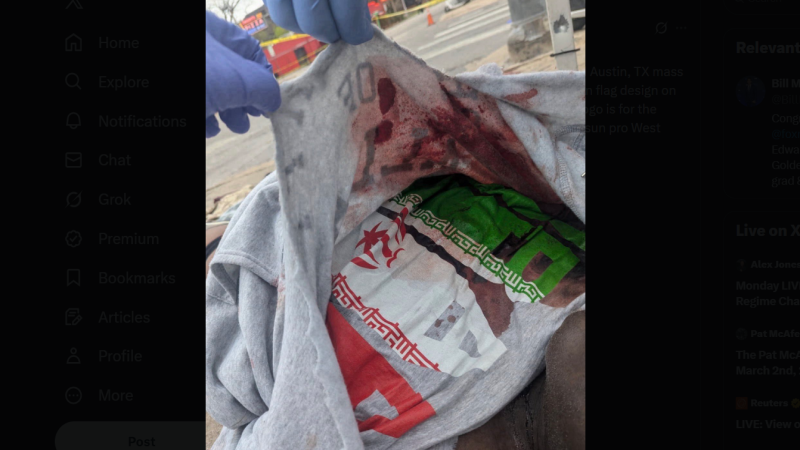






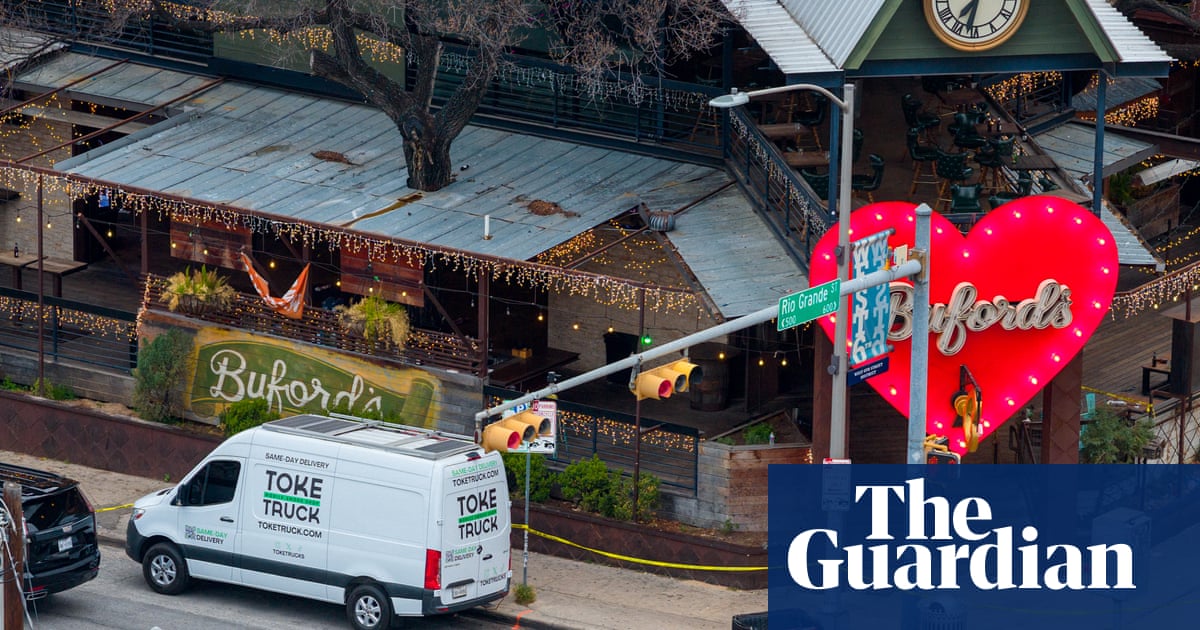
A mass shooting at Buford’s Backyard Beer Garden in Austin’s Sixth Street entertainment district early Sunday left three people dead, including the gunman, and 14 wounded, according to both liberal- and conservative-leaning outlets. Police already on scene in the busy bar area confronted and fatally shot the suspect, identified as 53-year-old Ndiaga Diagne, a naturalized immigrant from Senegal, after he fired first with a pistol and then a rifle from outside or at the entrance to the bar. Both sides report that federal agents, including the FBI, joined local authorities in investigating the incident, that no explosives were found, and that officials have publicly acknowledged “indicators” suggesting a potential nexus to terrorism without yet releasing a definitive motive. Coverage also aligns on details that Diagne wore clothing bearing the phrase “Property of Allah,” elements of an Iranian flag design, and that items such as a Quran were recovered from his vehicle, while the victims’ identities and the trauma to patrons and staff have been confirmed in follow-up police briefings.
Liberal and conservative sources broadly concur that authorities are treating the shooting as a possible act of terrorism connected to pro-Iran or Islamist symbolism but emphasize that the investigation is ongoing and complex. Both note the involvement of the FBI’s Joint Terrorism Task Force, references by officials to “indicators” of possible ideological motivation, and parallel lines of inquiry into potential extremist inspiration and the suspect’s mental health history. Outlets across the spectrum highlight the timing amid heightened tensions and violence in the Middle East, the governor’s orders for enhanced security patrols and vigilance statewide, and stepped-up protective measures at public venues nationally. There is shared acknowledgment that the case sits at the intersection of terrorism, public safety in nightlife districts, questions about radicalization, and broader debates over domestic security preparedness and law enforcement response.
Areas of disagreement
Labeling the attack. Liberal-aligned outlets generally describe the event as a “mass shooting” that is being investigated for a “potential nexus to terrorism,” stressing that officials have not formally classified it as terrorism and repeatedly emphasizing the provisional nature of the evidence. Conservative outlets, by contrast, more readily label the shooting as “Islamic terror” or a “suspected terror attack,” with some commentators asserting it has already been “confirmed” as terrorism and tying it to Iranian sleeper cells. While liberal coverage focuses on careful sourcing and avoids definitive language about motive, conservative coverage leans into terrorism framing earlier and presents it as the central lens for understanding the incident.
Ideology, religion, and identity. Liberal sources note the suspect’s pro-Iranian symbols, “Property of Allah” clothing, and the Quran in his car mainly as facts that triggered federal interest, often balancing this with mention of possible mental health issues and warnings not to stigmatize communities. Conservative outlets foreground Diagne’s Muslim identity, immigrant background, and alleged anti-Christian, anti-conservative, and antisemitic social-media posts as core explanatory factors, often characterizing him as a “Muslim terrorist” or “foreign-born radical.” Liberal reporting tends to avoid broad claims about Islam, immigration, or foreign-born populations, whereas conservative coverage frequently situates the attack within narratives about Islamist extremism and lax immigration or vetting policies.
Political and policy implications. Liberal-leaning coverage focuses more on law enforcement procedure, security in nightlife districts, and the need for vigilance without strongly linking the event to partisan agendas or sweeping national-security narratives. Conservative outlets often connect the shooting to broader claims about Iranian influence, sleeper cells, and perceived failures of current federal leadership on border security and counterterrorism, sometimes invoking figures such as Donald Trump or the Clintons in a wider conspiratorial frame. Where liberal sources stress institutional coordination and caution against politicizing an ongoing investigation, conservative sources use the incident to argue for tougher immigration controls, more aggressive counterterrorism at home, and a harder geopolitical line against Iran.
Scope and certainty of extremist networks. Liberal reporting generally portrays the case as a single incident potentially influenced by overseas conflicts, noting that investigators have not publicly cited any organized network or direct operational link to Iran. Conservative coverage, particularly from more activist or conspiratorial outlets, frequently suggests or outright asserts the activation of Iranian sleeper cells and presents the Austin shooting as part of a coordinated wave of Islamist or Iran-linked operations. While liberals frame such claims as unverified or premature and stay close to official statements, conservatives are more willing to speculate about broader plots and systemic security threats based on the available clues.
In summary, liberal coverage tends to treat the Austin bar shooting as a tragic mass casualty event under active investigation, stressing uncertainty about motive, possible mental-health factors, and the need to avoid premature or politicized conclusions, while conservative coverage tends to present it as a clear case of Islamist or Iran-connected terrorism tied to immigration, ideological extremism, and broader failures in national security policy.
Story coverage