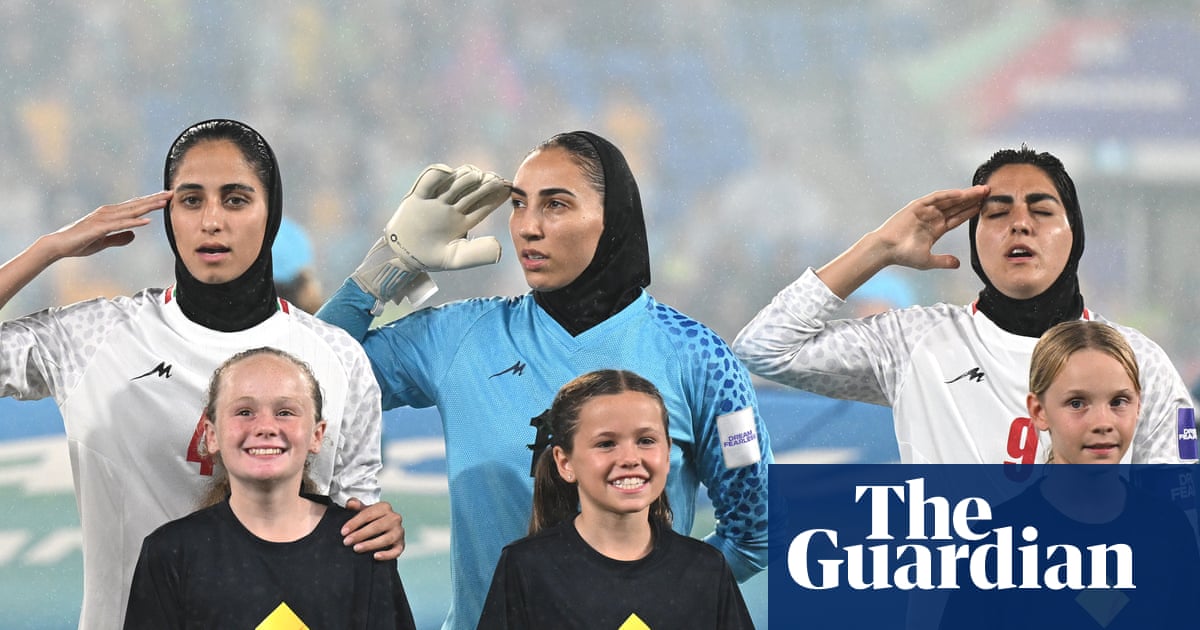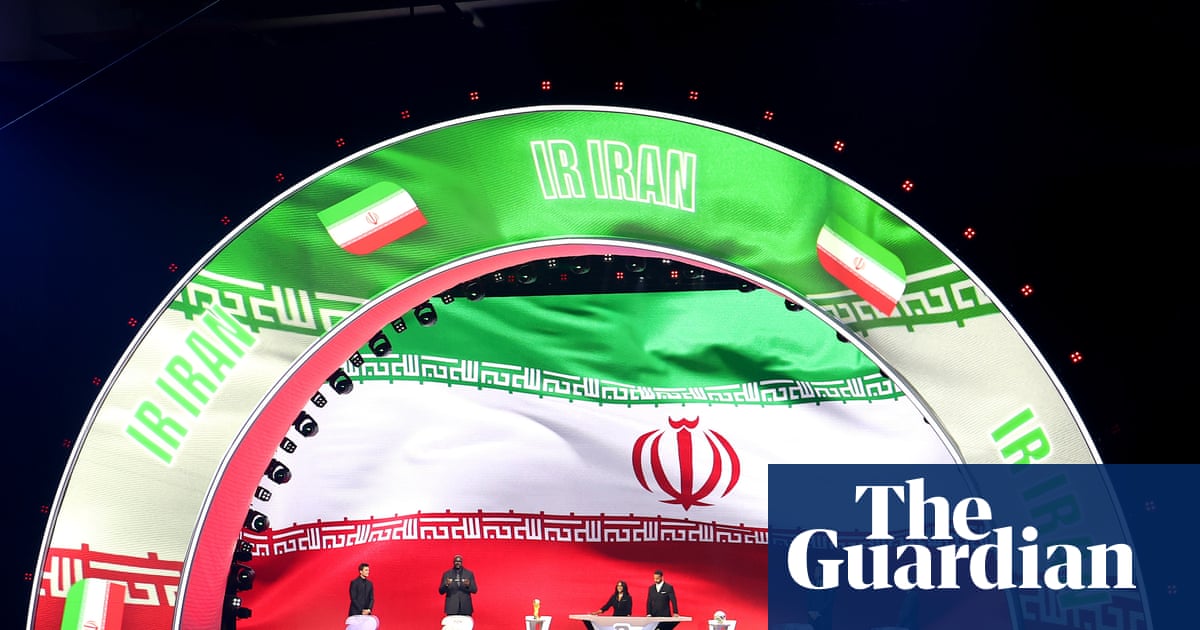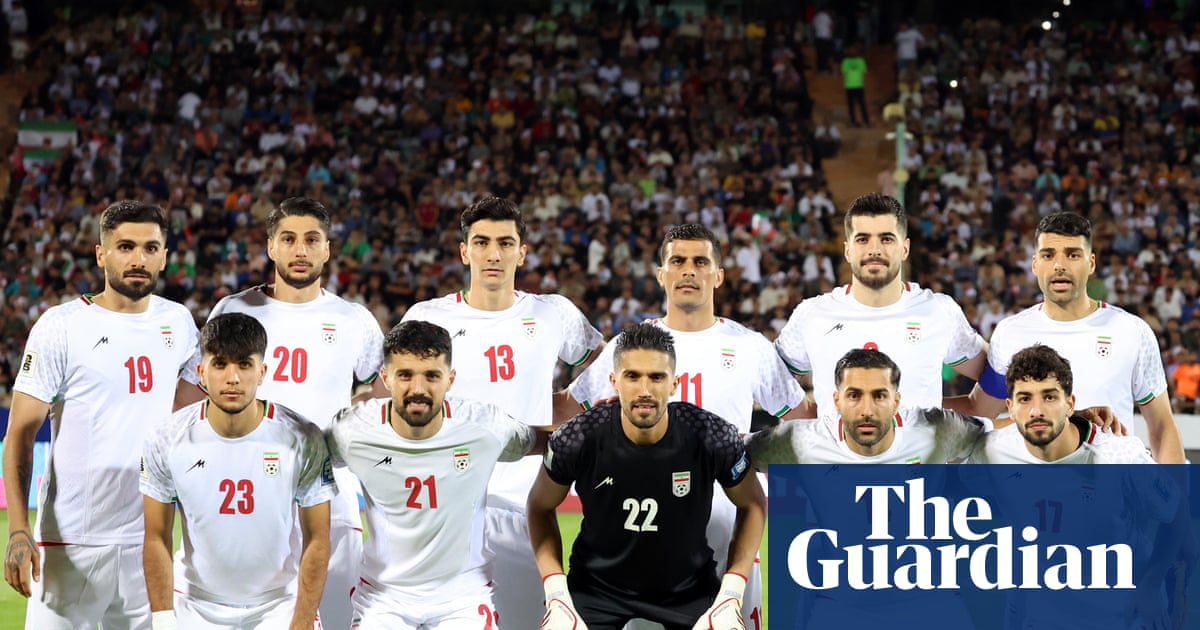
Iran’s soccer federation president Mehdi Taj has publicly stated that he is not sure whether Iran’s national team will play its scheduled World Cup matches in the United States, putting the country’s World Cup participation in doubt. Both liberal- and conservative-aligned outlets agree that the uncertainty is directly tied to the rapidly escalating conflict in the Middle East, including recent bombardments involving Iran, and that FIFA rules do not clearly spell out what happens if a qualified team withdraws under such circumstances. Reporting on both sides notes that if Iran ultimately cannot participate, Iraq and the United Arab Emirates are being discussed as the most likely replacements, contingent in part on Iraq’s own qualification path, and that the Asian Football Confederation is monitoring developments closely amid broader regional disruptions to sports.
Liberal and conservative coverage concur that the war and heightened tensions have already disrupted the wider sporting calendar across the region, with other international fixtures in cricket and football being postponed or canceled, and that this uncertainty is feeding into Iran’s situation. They also agree that the matter sits at the intersection of sport and geopolitics, involving institutions such as FIFA, the Asian Football Confederation, and national federations that must interpret competition regulations under extraordinary conditions. Both sides highlight that the World Cup is being co-hosted by the United States and that this, combined with the security and diplomatic fallout from the conflict, raises logistical and political questions that go beyond the pitch, even as formal decisions on Iran’s status have yet to be made.
Areas of disagreement
Cause of uncertainty. Liberal-aligned outlets frame Iran’s doubts about participation primarily within the broader context of an escalating Middle East crisis, mentioning military actions and hostilities across the region without assigning singular blame to any state. Conservative sources, by contrast, more explicitly tie Taj’s comments to recent U.S. and Israeli bombardment of Iran and in one case describe the United States, as tournament co-host, as the spark for the current conflict. While both sides connect the war to Iran’s World Cup doubts, conservative coverage leans harder into a narrative where specific actors—especially the U.S.—are directly responsible for triggering the sports fallout.
Emphasis on replacement scenarios. Liberal coverage devotes more space to explaining FIFA’s vague regulations around team withdrawal and detailing how Iraq or the UAE might inherit Iran’s spot, including the condition that Iraq’s own qualification status could affect the decision. Conservative outlets acknowledge that FIFA has Iraq next in line but treat this more briefly, focusing less on procedural nuances and more on the geopolitical cause of Iran’s predicament. As a result, liberal sources read more like policy and tournament-structure explainers, while conservative sources present replacement talk as a secondary consequence of the war.
Characterization of the broader sports impact. Liberal-aligned reporting embeds Iran’s uncertainty within a wider pattern of disrupted sports events, citing postponed AFC Champions League fixtures, halted football in Qatar, and canceled cricket matches in Abu Dhabi to show systemic regional instability affecting multiple competitions. Conservative accounts largely omit these secondary examples and stay focused on the Iranian team and its World Cup schedule, mentioning the Middle East war but not elaborating on other sporting bodies’ responses. This leads liberal articles to portray a cascading institutional crisis in international sport, whereas conservative ones frame it as a more narrowly defined problem for Iran at the World Cup.
Tone toward the United States as host. Liberal outlets mention the U.S. role mainly as a logistical and political backdrop, stressing that matches are scheduled there and that host-nation security and diplomacy complicate Iran’s participation. Conservative coverage more overtly links the U.S. hosting duties with its alleged role in sparking or intensifying the conflict, suggesting that playing in the U.S. itself is part of the problem for Iran. Thus, liberals treat the U.S. primarily as the venue whose presence magnifies existing tensions, while conservatives imply that the host’s actions are integral to why Iran might not appear.
In summary, liberal coverage tends to situate Iran’s World Cup uncertainty within a broad, institution-focused account of regional conflict and sports governance, while conservative coverage tends to foreground the role of specific actors—especially the U.S. and Israel—in causing the crisis and give somewhat less attention to procedural and multi-sport implications.
Story coverage