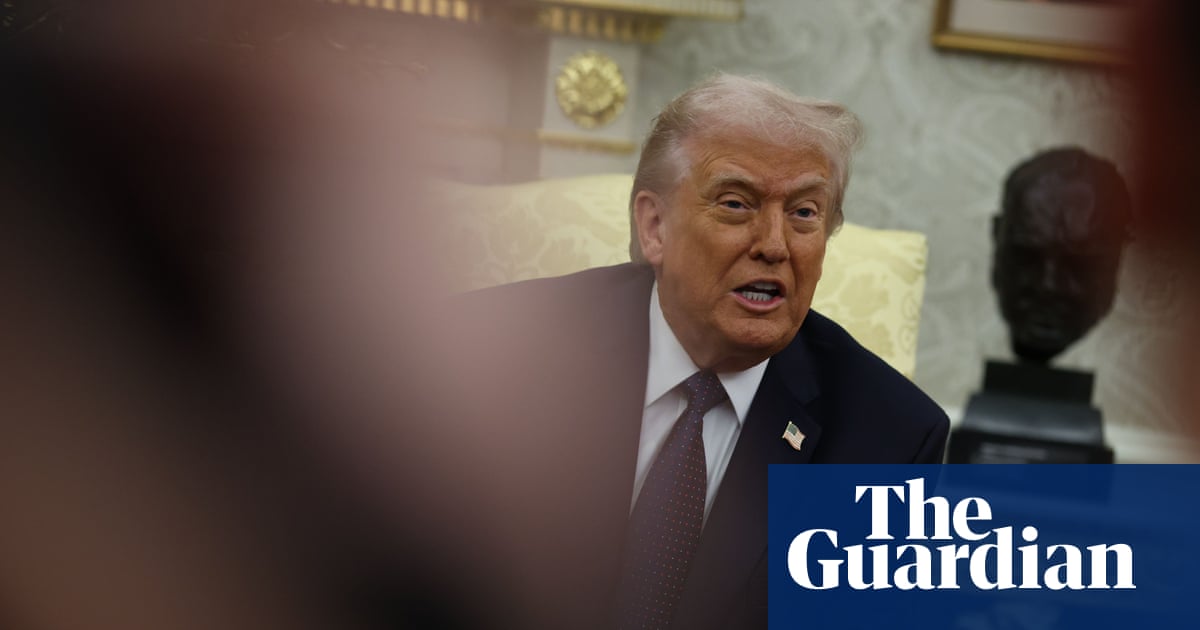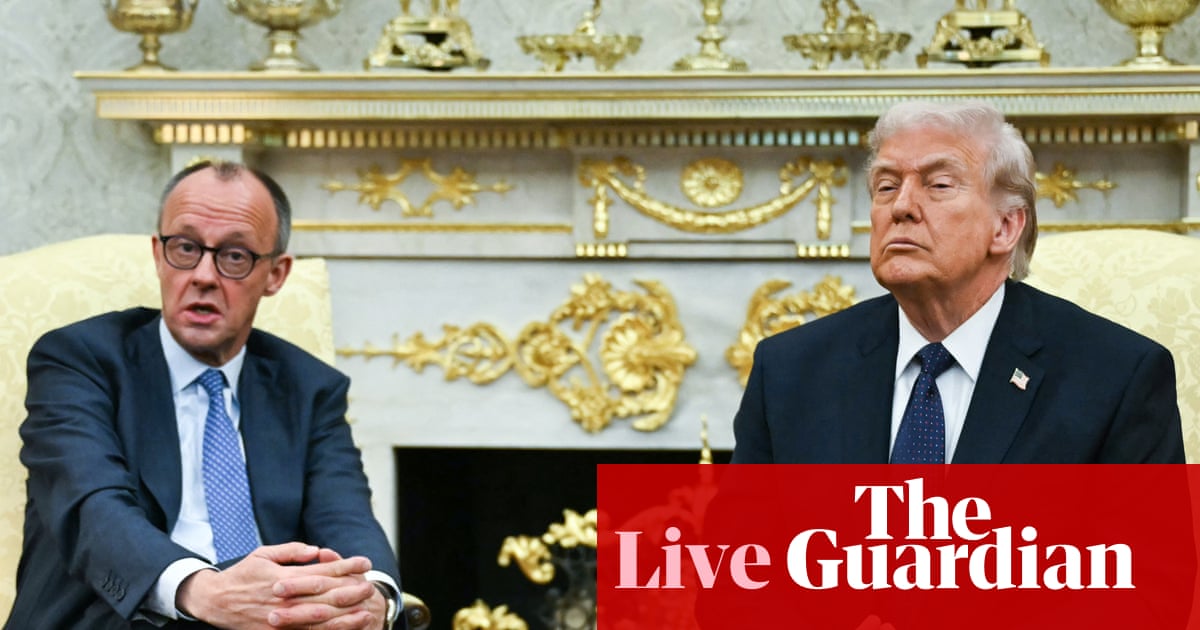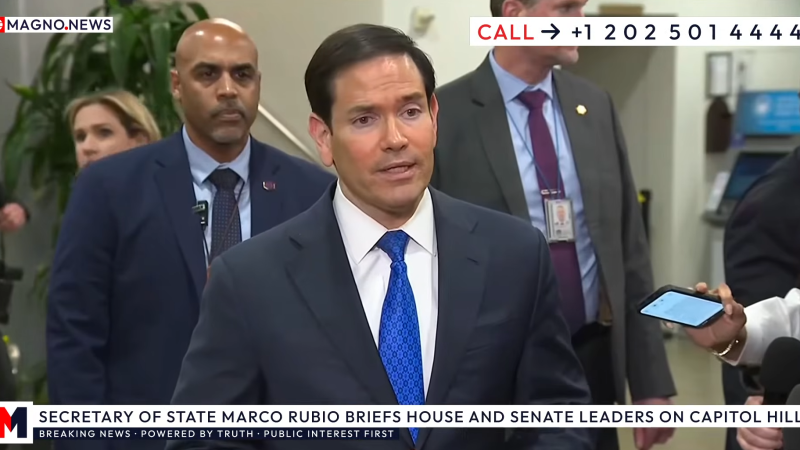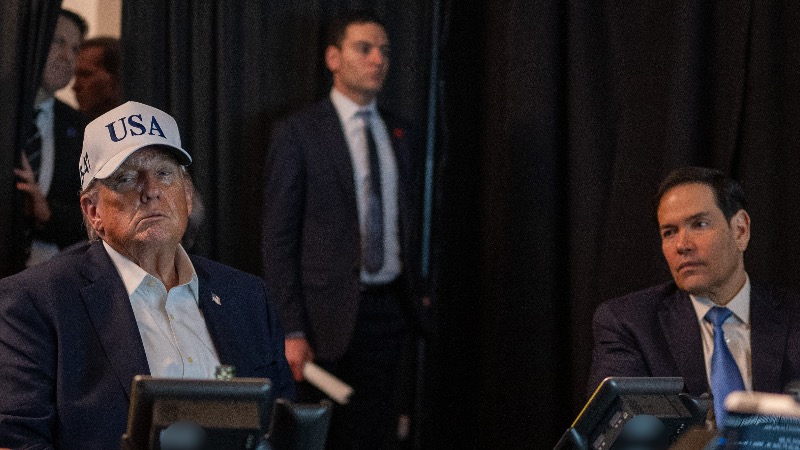



Trump, responding to comments from Secretary of State Marco Rubio about the lead‑up to U.S. strikes on Iran, has publicly emphasized that the United States acted on its own assessment of an imminent Iranian threat rather than being dragged in by Israel. Across both liberal- and conservative-aligned coverage, outlets agree on the basic chronology: Rubio initially said Israel had planned to strike Iran, which he claimed would have triggered Iranian retaliation against U.S. forces, and then shifted his explanation to say Iran itself was preparing to attack first; Trump then countered Rubio by saying the U.S. “might have forced Israel’s hand,” insisting Israel did not dictate U.S. policy. All sides report that the dispute has unfolded against the backdrop of prior Israeli lobbying for strikes on Iran, that Trump has framed the action as preemptive self-defense, and that Rubio’s evolving statements have drawn criticism and online scrutiny.
Liberal and conservative outlets also broadly agree that this episode fits into a longer-running pattern of shifting justifications from the Trump administration regarding confrontation with Iran, including references to Iran’s nuclear and ballistic missile programs, repression of protesters, and alleged imminent plots. Both sides situate the Trump–Rubio tension within institutional debates over war powers and the balance between “America First” rhetoric and close alignment with Israel, noting that questions about who influenced whom—Washington or Jerusalem—have intensified. There is shared acknowledgment that the episode has implications for U.S. credibility, alliance management, and domestic oversight of decisions to use force, even as interpretations of those implications diverge.
Areas of disagreement
Responsibility and blame. Liberal-aligned outlets cast the shifting Trump and Rubio narratives as evidence of a misleading or incoherent rationale for war, suggesting the administration is retrofitting explanations after the fact and obscuring Israel’s role. Conservative sources, while acknowledging Rubio’s inconsistency, tend to emphasize Trump’s clarification as restoring a coherent story that the U.S. was acting on its own threat assessments. Liberals frame Rubio’s walk-backs as symptomatic of deeper dishonesty, whereas conservatives more often portray them as communication missteps rather than proof of bad faith.
U.S.–Israel relationship. Liberal coverage underscores the possibility that Israeli preferences and pressure significantly shaped U.S. decision-making, using Rubio’s initial comments and Netanyahu’s past lobbying as evidence that U.S. policy may be overly deferential to a foreign ally. Conservative outlets, in contrast, stress Trump’s claim that the U.S. “might have forced Israel’s hand” to argue that Washington remained in the driver’s seat and that close coordination with Israel is a strategic necessity, not undue influence. Liberals highlight this as a test of whether “America First” is being compromised, while conservatives generally see it as a demonstration of American leadership within an alliance.
War powers and oversight. Liberal-leaning reporting ties the episode to broader concerns about executive overreach, arguing that fuzzy and shifting justifications make it harder for Congress and the public to exercise meaningful oversight over decisions to use force. Conservative coverage gives relatively less attention to process arguments and more to the urgency of acting against a perceived imminent threat, treating formal war-powers debates as secondary to preventing an attack. Where liberals call for clearer statutory limits and transparency before military action, conservatives more often defend presidential latitude in fast-moving security crises.
Threat framing and risk. Liberal outlets frequently question whether the threat from Iran was truly imminent or exaggerated, noting that if the primary danger stemmed from anticipated Israeli moves, the administration’s portrayal of a direct U.S. threat may have been inflated. Conservative sources generally accept the premise of a serious and immediate Iranian danger and frame Trump’s decision as a necessary preemptive strike to save American lives and deter aggression. Liberals warn that such elastic use of “imminence” lowers the threshold for war, while conservatives argue that skepticism risks underestimating hostile intent and inviting attacks.
In summary, liberal coverage tends to portray the Trump–Rubio split as exposing inconsistent, alliance-driven justifications for war that demand stricter oversight, while conservative coverage tends to treat Trump’s counter as reaffirming U.S. strategic autonomy and necessary resolve in the face of Iranian threats.
Story coverage