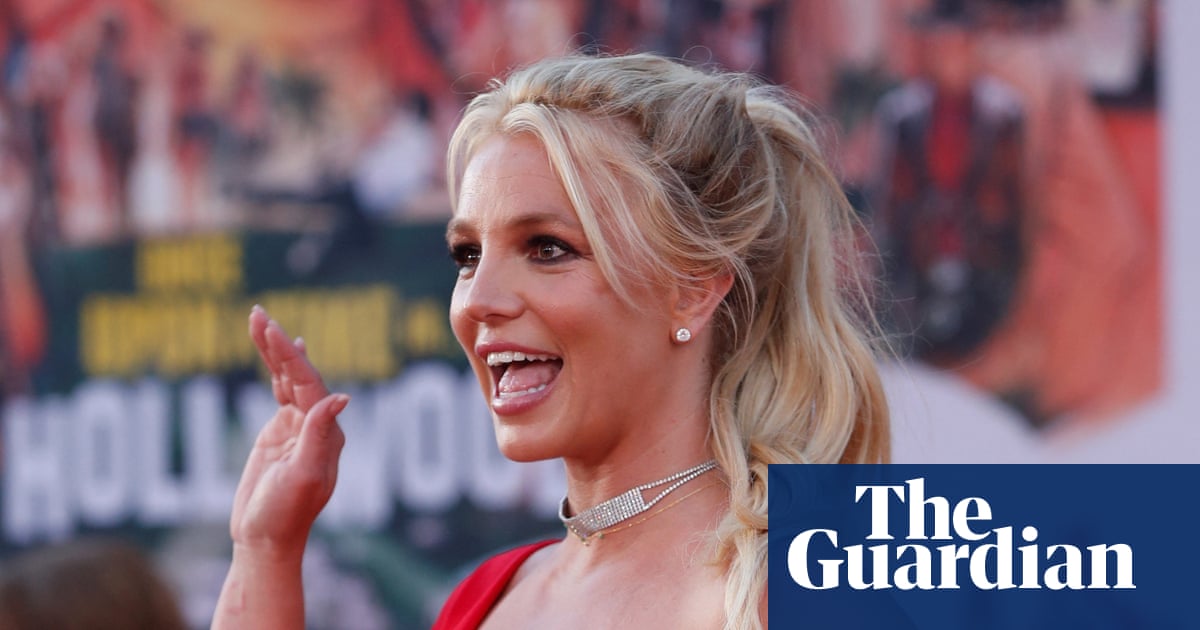


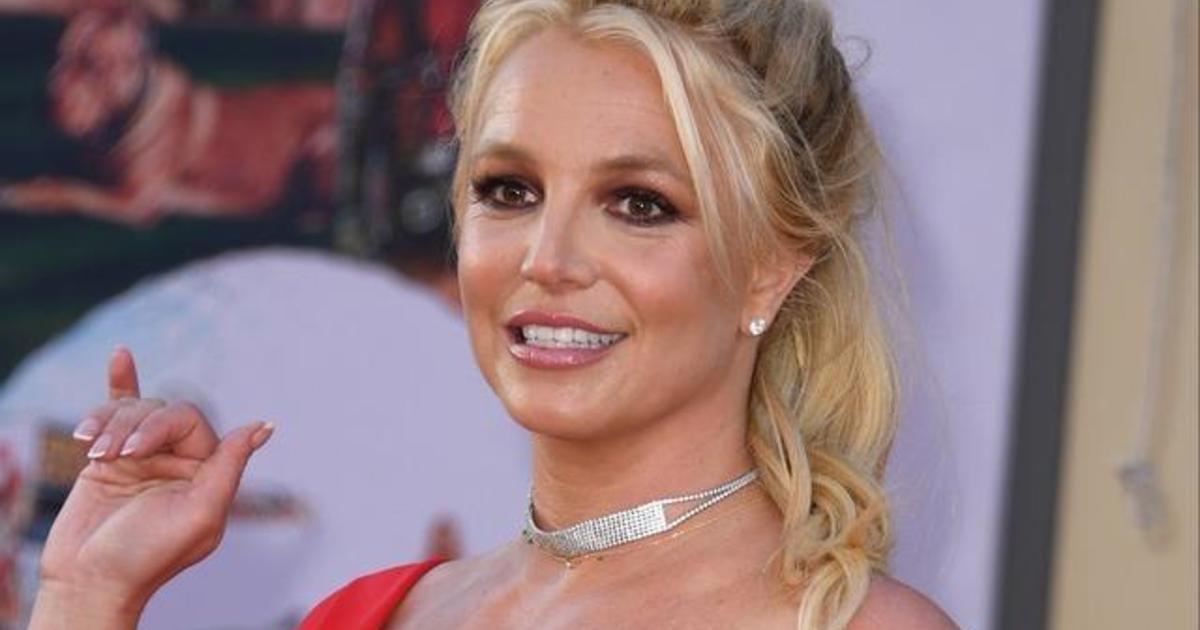
Britney Spears was arrested late Wednesday night in Ventura County, Southern California, with both liberal- and conservative-leaning outlets agreeing that the incident occurred around 9:28 p.m. and involved an alleged charge of driving under the influence. Jail and sheriff’s records cited across outlets confirm that Spears was detained by the California Highway Patrol and subsequently booked, then released in the early hours of Thursday, with a court appearance currently scheduled for May 4.
Across the spectrum, outlets situate the arrest within Spears’ ongoing public and legal struggles and agree that it marks another high-profile twist in the life of a globally known pop star. Liberal and conservative sources alike note that this incident comes on the heels of recent developments in her personal and legal affairs, including a restraining order she recently obtained against a harassing individual and the broader narrative of her post-conservatorship autonomy and career decisions.
Areas of disagreement
Clarity of charges and facts. Liberal-aligned outlets are somewhat more explicit in identifying the arrest as a DUI, while occasionally acknowledging that some official records initially left the precise reason unclear. Conservative outlets tend to emphasize the term "alleged DUI" and highlight that the information comes from jail records, framing the charge as reported but not fully adjudicated. This results in liberal coverage sounding more definitive about the DUI nature of the arrest, while conservative coverage sounds more cautious and procedural.
Framing of Spears’ situation. Liberal coverage places the arrest within a broader arc of Spears’ struggles with fame, mental health, and legal control, often referencing her post-conservatorship life and recent legal actions like the restraining order. Conservative coverage is more likely to treat the event as a discrete criminal-justice incident, focusing on the arrest details and alleged offense rather than an expansive narrative about systemic failures around celebrity or guardianship. Where liberal outlets lean into a human-interest and structural frame, conservative outlets lean into a law-and-order and personal-choice frame.
Emphasis on recent successes and sympathy. Liberal sources tend to highlight Spears’ recent legal victories and prospective financial deals, such as the reported music catalog sale, as context that may elicit sympathy or suggest she has been trying to regain control of her life and career. Conservative coverage downplays these positive developments, giving them little or no space, which makes the story read more as a straightforward fall from grace than a complex moment in an uneven recovery. This difference shapes audience perception of whether the arrest is a tragic setback in an ongoing struggle or simply another poor decision by a wealthy celebrity.
Implications and future trajectory. Liberal outlets more often speculate about what the arrest might mean for Spears’ mental health, public image, and long-term recovery, hinting at the need for better support systems for high-profile figures. Conservative outlets, by contrast, focus on the forthcoming court date and potential legal consequences, implicitly suggesting that accountability and the legal process are the main next steps. As a result, liberal coverage frames the future in terms of care and rehabilitation, while conservative coverage frames it in terms of due process and responsibility.
In summary, liberal coverage tends to present Spears’ arrest as one chapter in a larger narrative of vulnerability, systemic pressures, and uneven recovery, while conservative coverage tends to present it as a contained legal incident centered on alleged wrongdoing and personal accountability.
Story coverage