

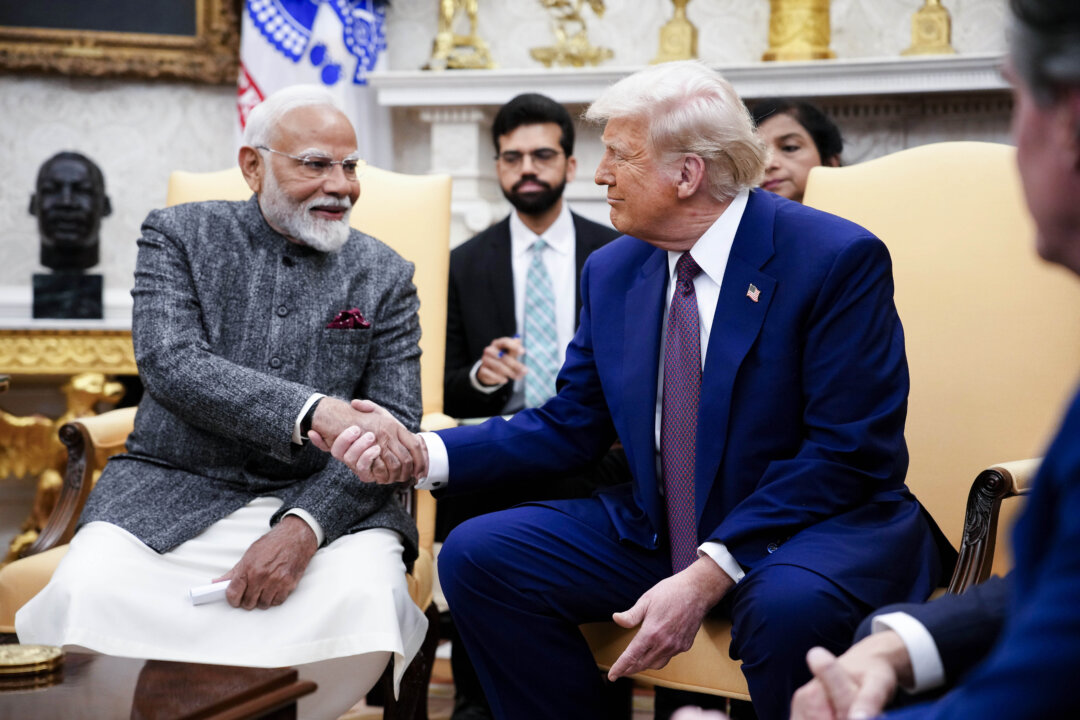
The United States has granted India a 30-day waiver to continue purchasing Russian crude oil, temporarily relaxing earlier pressure on New Delhi to curb such imports. Both liberal and conservative reports agree that the waiver is limited in duration, tied to oil already in transit or imminent purchases, and comes amid heightened turmoil in global energy markets triggered by the Iran conflict and fears of supply disruptions. They note that Washington had previously urged or pressured India to scale back Russian purchases, portraying the waiver as an exception justified by rapidly rising prices and supply fears, and that the move is framed by U.S. officials as a pragmatic response to short-term market stress rather than a fundamental policy shift toward Moscow.
Across outlets, coverage situates the waiver within broader concerns over energy security, sanctions enforcement, and the knock-on effects of conflict involving Iran on global oil supply. Liberal and conservative sources alike describe U.S. policymakers as trying to balance geopolitical goals—such as constraining Russia’s war financing and responding to Iran’s destabilizing behavior—with the need to prevent price spikes that could harm the global economy and allies. They also highlight institutional tools and levers at Washington’s disposal, including waivers, tariffs, and insurance protections for tankers, as mechanisms used in concert to stabilize markets while maintaining the architecture of sanctions and diplomatic pressure on adversaries.
Areas of disagreement
Framing of U.S. policy competence. Liberal-aligned outlets tend to describe the waiver as a calibrated, technocratic adjustment that shows the administration is agile in responding to sudden market shocks from the Iran conflict, often emphasizing complementary steps such as political risk insurance and other mitigation tools. Conservative outlets more often portray the move as reactive and symptomatic of earlier policy missteps on energy and sanctions, suggesting that the administration’s prior pressure on India and broader energy strategy helped create the vulnerability that the waiver now tries to patch over.
Characterization of strategic priorities. Liberal coverage generally stresses that the waiver still fits within a coherent framework of sanctioning Russia and deterring Iran while protecting global consumers, framing India’s access to Russian oil as a tightly managed exception to prevent broader economic harm. Conservative coverage is more inclined to argue that the waiver undercuts the stated priority of starving Moscow of oil revenue, implying that economic and political considerations are eclipsing a consistent hard line on Russia and that mixed signals to partners like India could weaken U.S. leverage.
Assessment of India’s role and leverage. Liberal sources tend to depict India as a crucial energy-importing ally whose cooperation is necessary for market stability and for broader U.S. Indo-Pacific strategy, treating the waiver as pragmatic recognition of New Delhi’s constraints and importance. Conservative sources more often frame India as a beneficiary of U.S. inconsistency, suggesting that repeated exceptions—after earlier admonitions to stop buying Russian oil—signal to India and others that Washington’s red lines on sanctions are negotiable when prices rise.
Implications for broader energy policy. Liberal-leaning coverage frequently uses the episode to underscore the volatility of fossil-fuel dependence and to hint at the need for longer-term diversification and clean energy transitions to reduce exposure to crises involving Iran or Russia. Conservative-leaning coverage instead tends to use the situation to argue for more robust domestic production and fewer restrictions on U.S. fossil fuels, contending that greater American output could reduce the need for waivers that accommodate Russian supply through third countries.
In summary, liberal coverage tends to frame the waiver as a constrained, pragmatic tool to manage an immediate energy shock without abandoning long-term sanctions goals, while conservative coverage tends to portray it as evidence of an incoherent or weakened Russia and energy policy that forces Washington into ad hoc exceptions and mixed messages.
