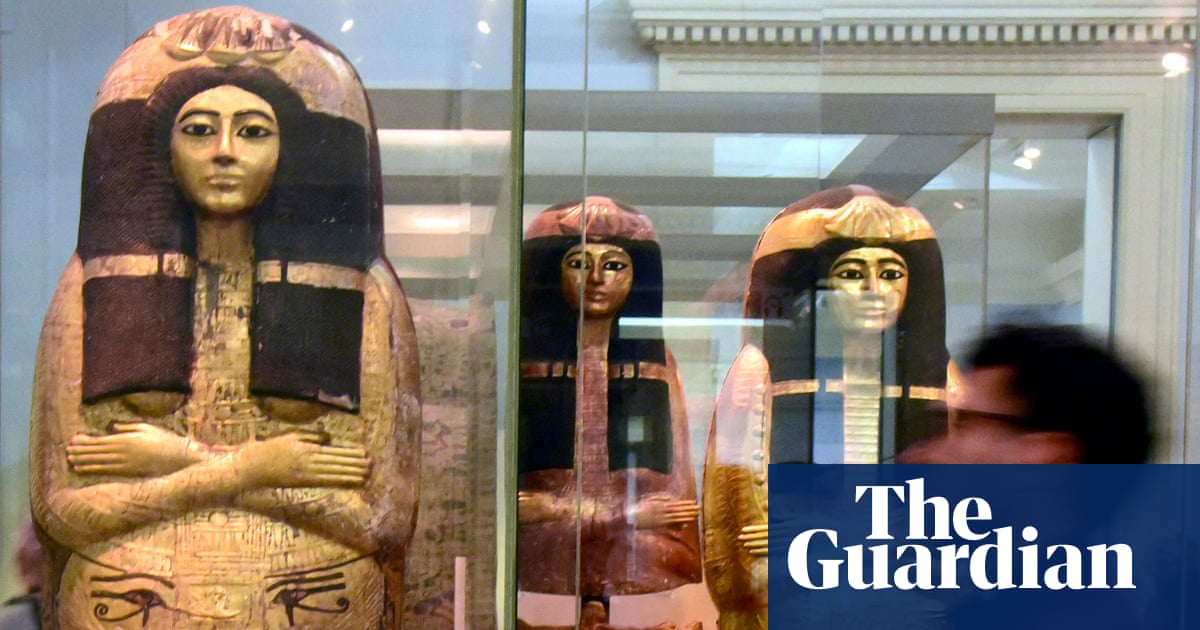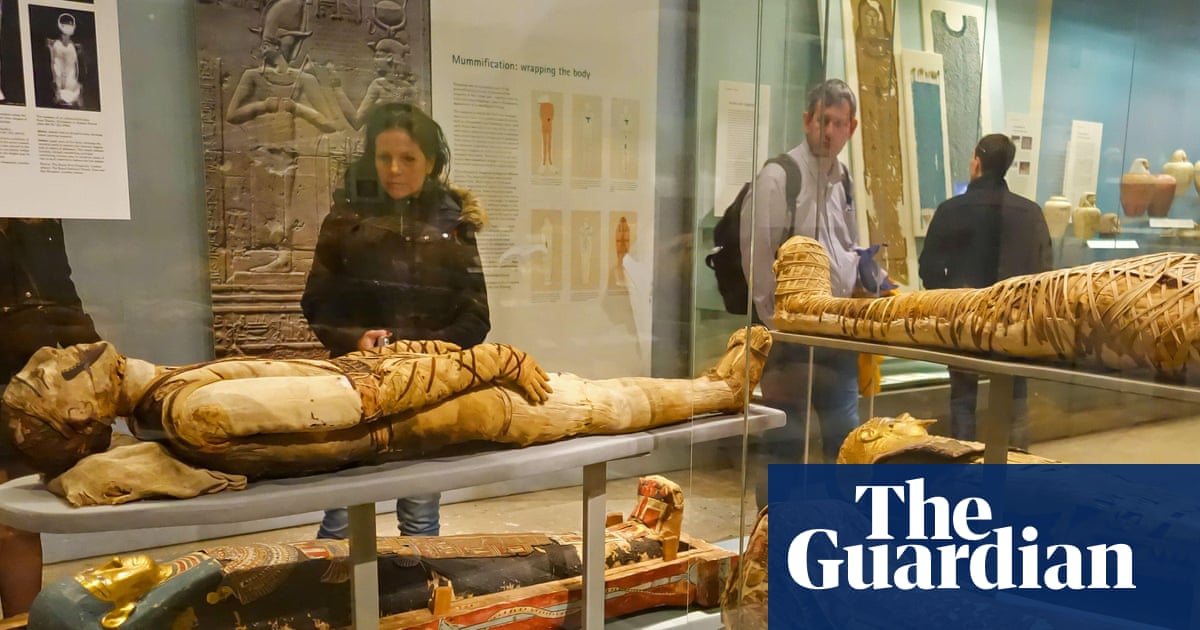
A Guardian investigation reports that at least 241 UK institutions collectively hold more than 263,000 human remains, including skeletons, body parts and preserved bodies, with the true figure likely higher because some museums have incomplete or outdated records. Coverage across the spectrum agrees that the Natural History Museum holds the largest estimated collection and that a substantial share of the remains originate from overseas, especially territories that were formerly part of the British Empire, and that lawmakers and museum professionals are now scrutinizing how these remains were obtained and stored.
Both liberal and conservative-leaning outlets concur that the issue sits at the intersection of museum practice, scientific research, and ethical review, and that current UK laws and professional guidelines complicate large-scale repatriation or deaccessioning. They broadly agree that many remains were acquired under loose or exploitative colonial-era norms, that some are kept in conditions now considered disrespectful, and that momentum is building for clearer policies on provenance research, engagement with descendant communities, and potential returns or reburials.
Areas of disagreement
Framing of the scandal. Liberal-aligned coverage, led by the Guardian, frames the story as a profound moral and human-rights crisis rooted in colonial exploitation, emphasizing language such as shameful legacy and ongoing violence against marginalized communities. Conservative outlets, where they cover the issue, tend to present it more as a difficult curatorial and policy challenge, emphasizing institutional constraints, scientific value, and legal complexity rather than moral indictment.
Responsibility and blame. Liberal sources concentrate blame on British imperial structures and elite institutions, highlighting how power imbalances enabled the collection of remains without consent and calling for museums and the state to acknowledge historical wrongdoing. Conservative sources more often diffuse responsibility over time, stressing that many acquisitions reflected the norms of earlier eras and that today’s curators are inheriting problems rather than deliberately perpetuating abuse.
Repatriation and remedies. Liberal coverage is more likely to foreground demands from MPs, Indigenous groups, and scholars for accelerated repatriation, reburial, and rethinking of museum collections so that spiritual and cultural claims outweigh research priorities. Conservative coverage tends to spotlight concerns about setting precedents, the feasibility of tracing provenance, and the potential loss to scientific and medical research, suggesting that any returns should be case-by-case and carefully managed rather than sweeping.
Cultural and political implications. Liberal sources often connect the investigation to broader debates about decolonizing institutions, racial justice, and the need to rethink national heritage narratives that have normalized the display of colonized bodies. Conservative commentary is more inclined to warn against what it sees as politicization of museums and the risk of erasing or oversimplifying history, arguing that reform should preserve educational value and historical continuity even as specific injustices are addressed.
In summary, liberal coverage tends to treat the investigation as evidence of a systemic colonial injustice demanding moral reckoning and robust repatriation, while conservative coverage tends to acknowledge ethical concerns but frame the issue more as a technical, legal, and heritage-management challenge that warrants gradual, cautious reform.